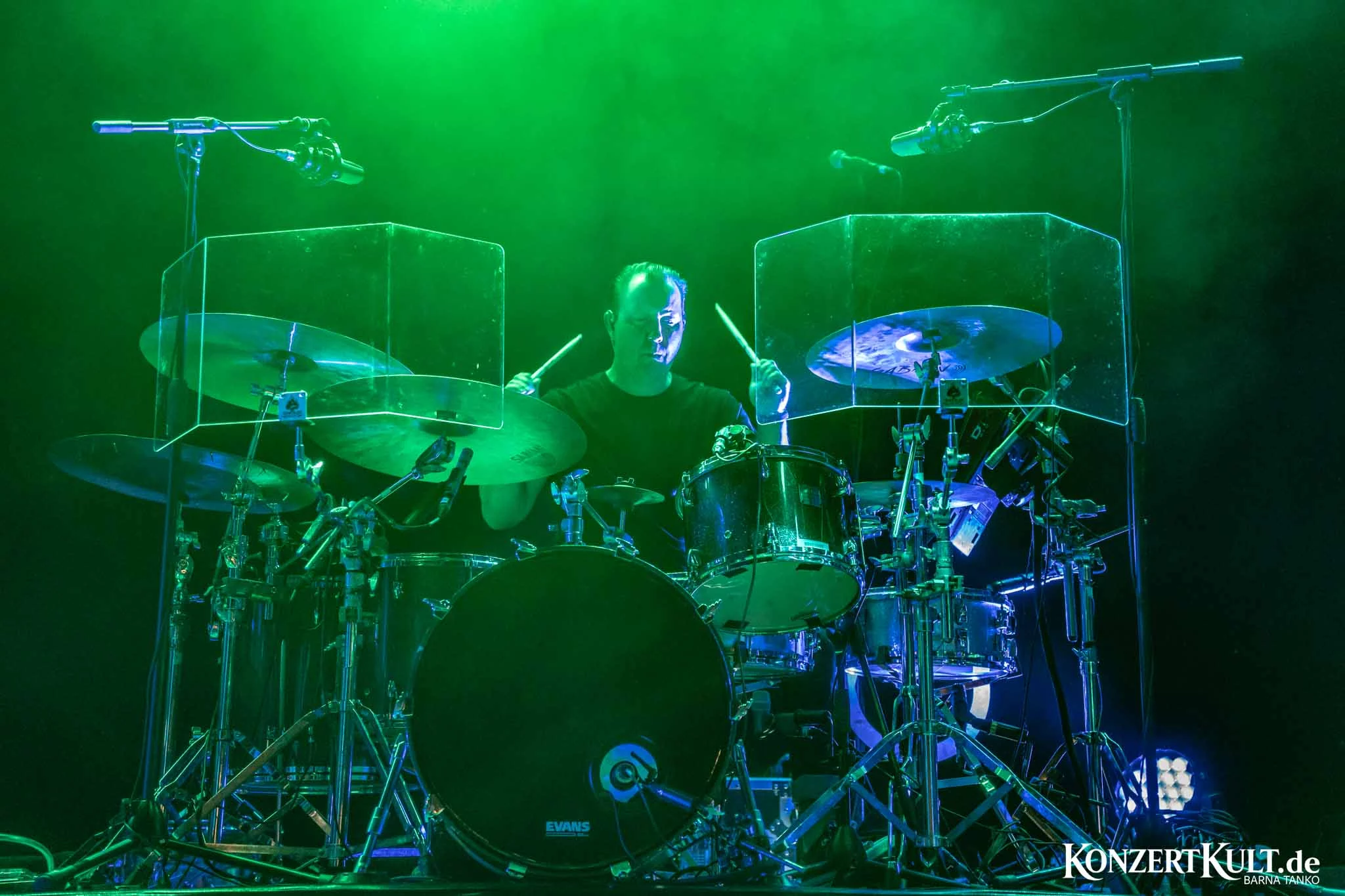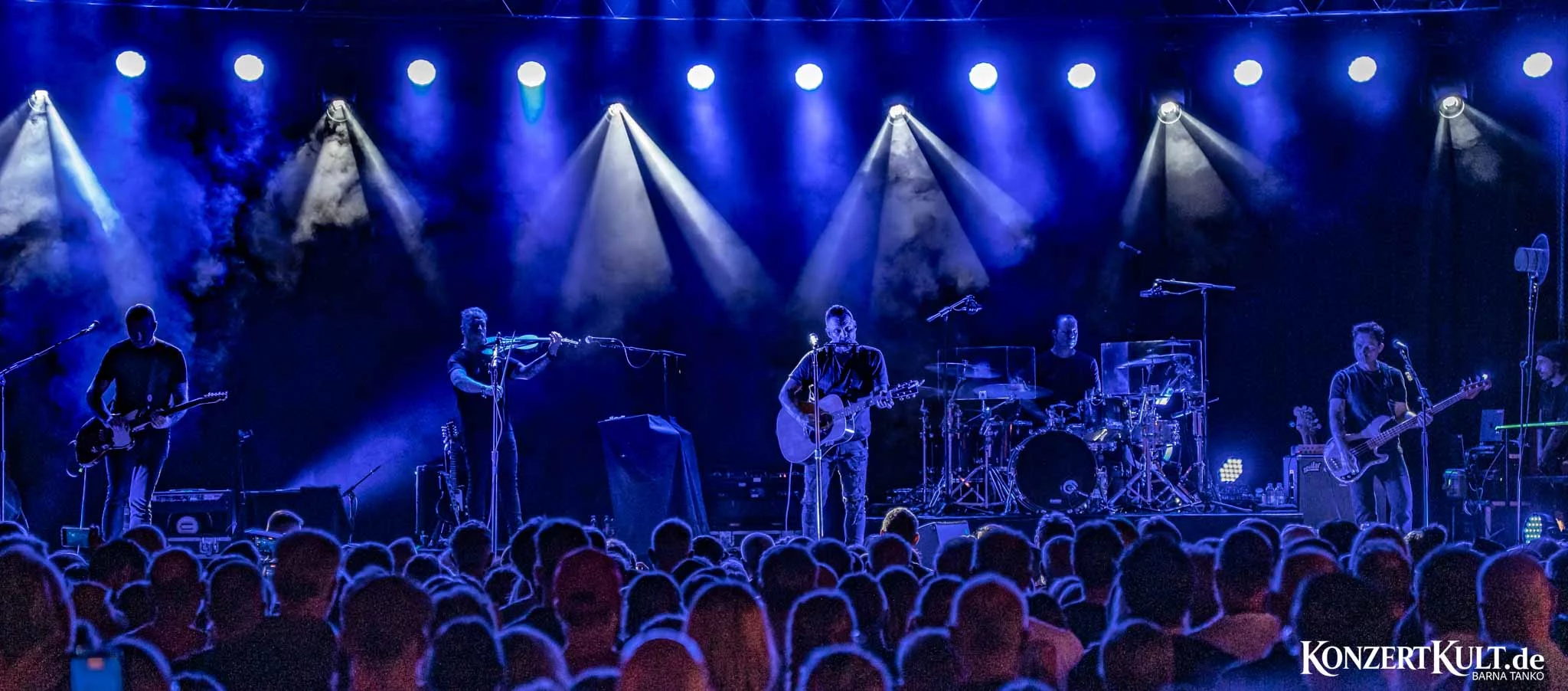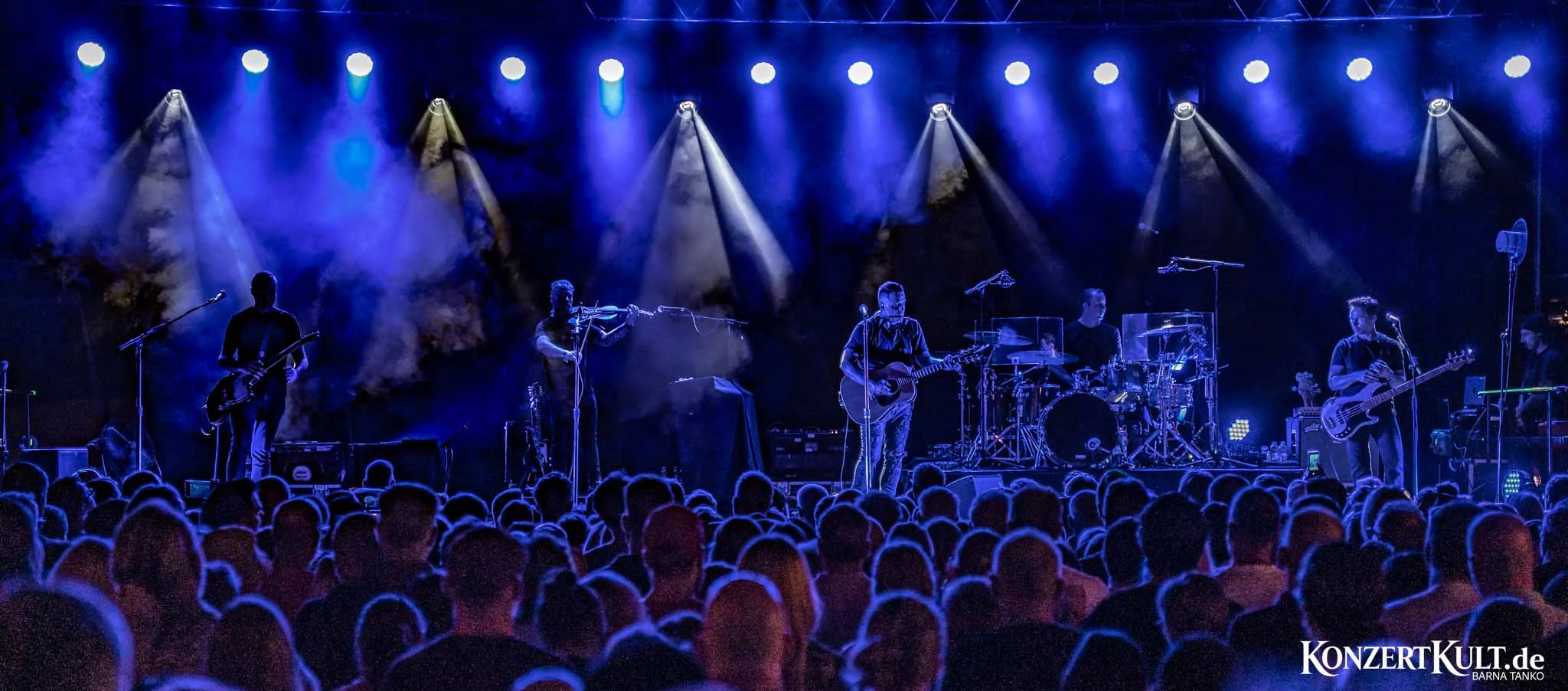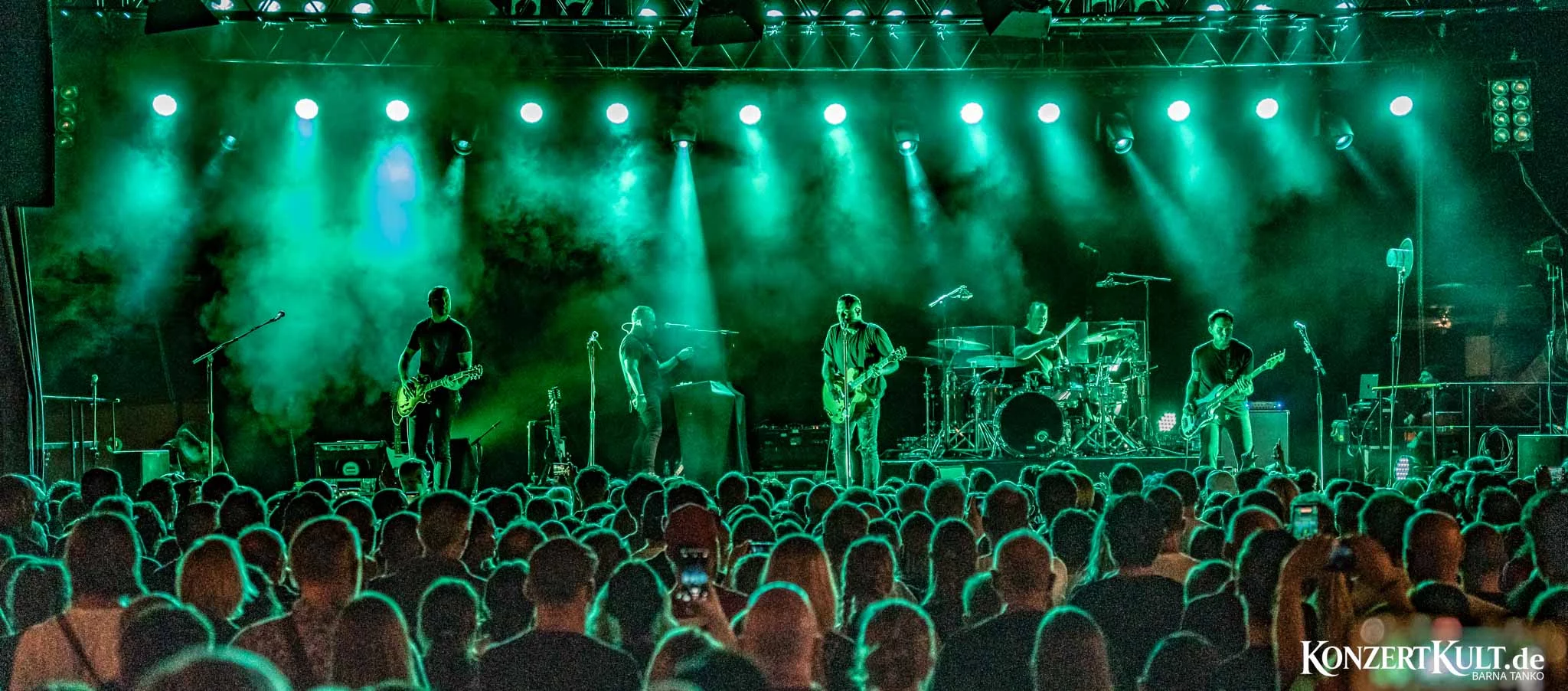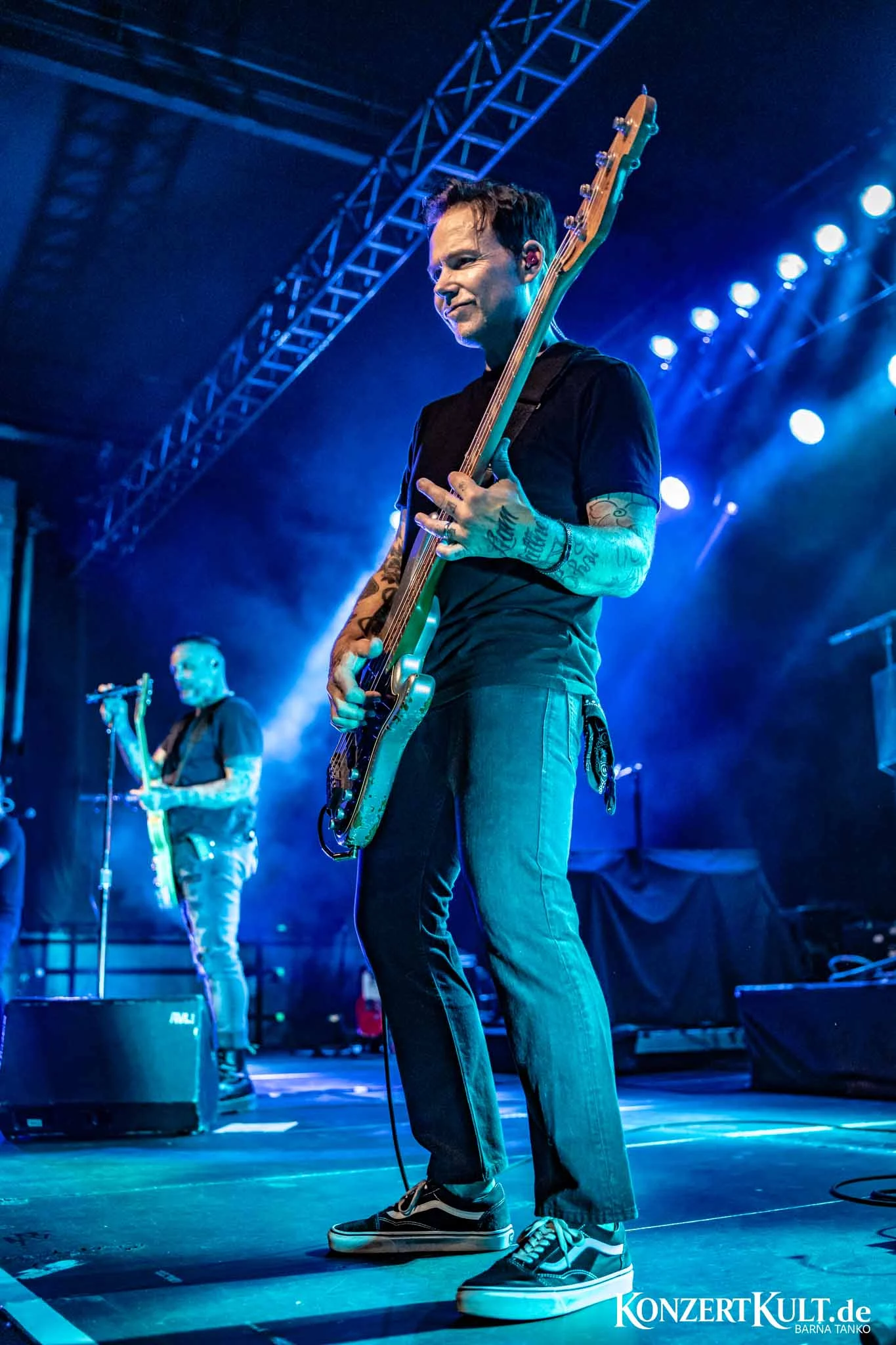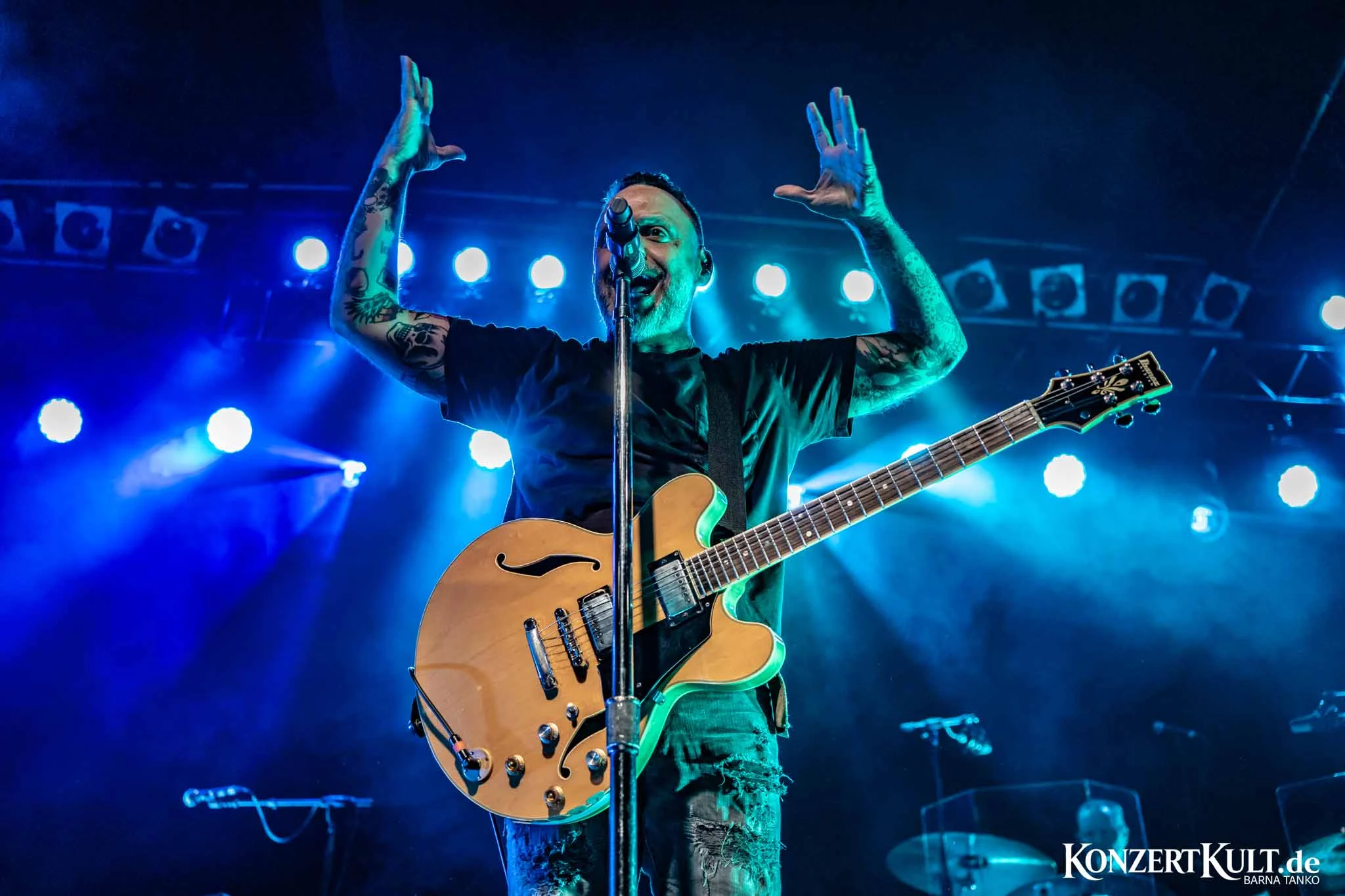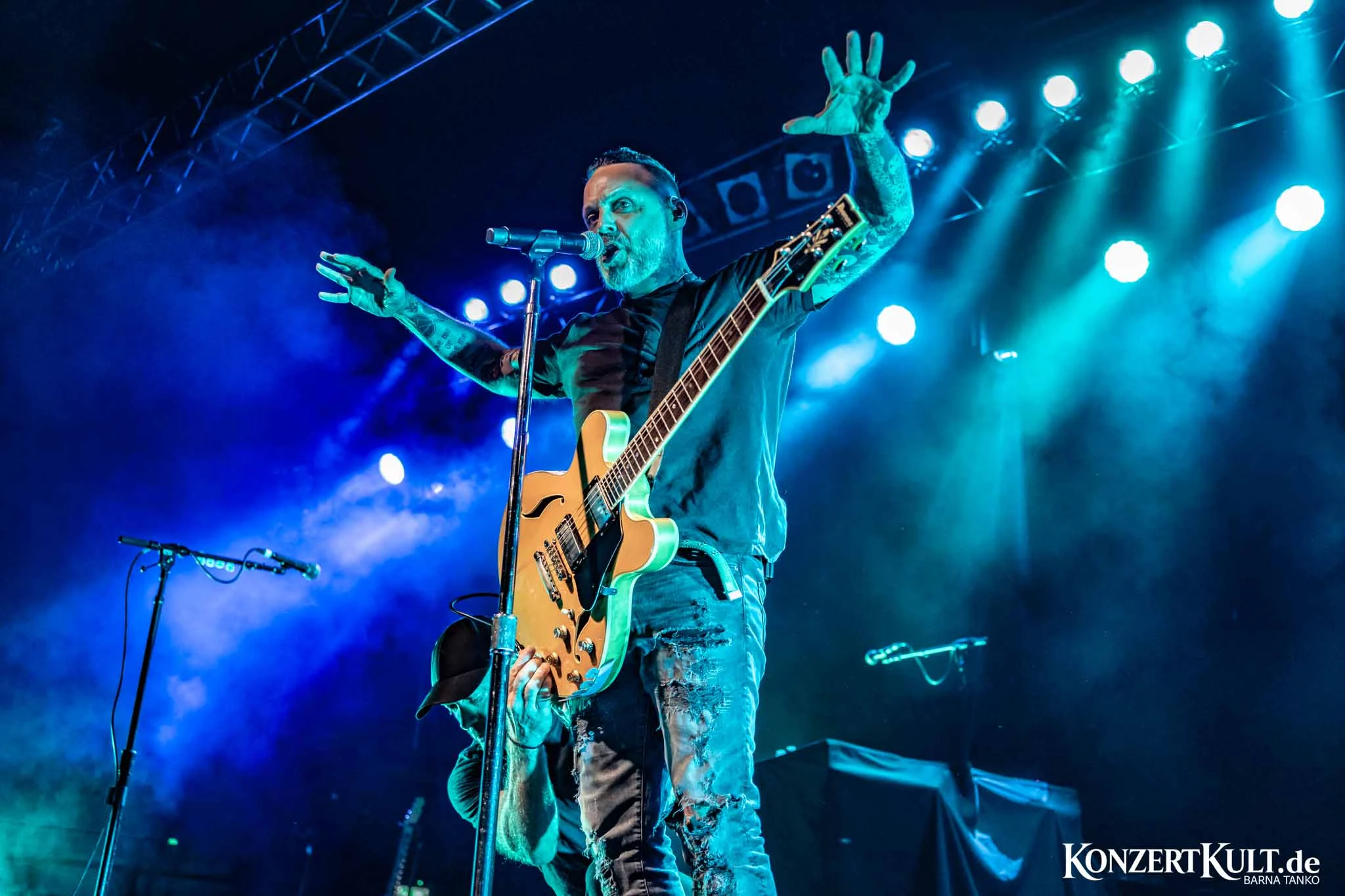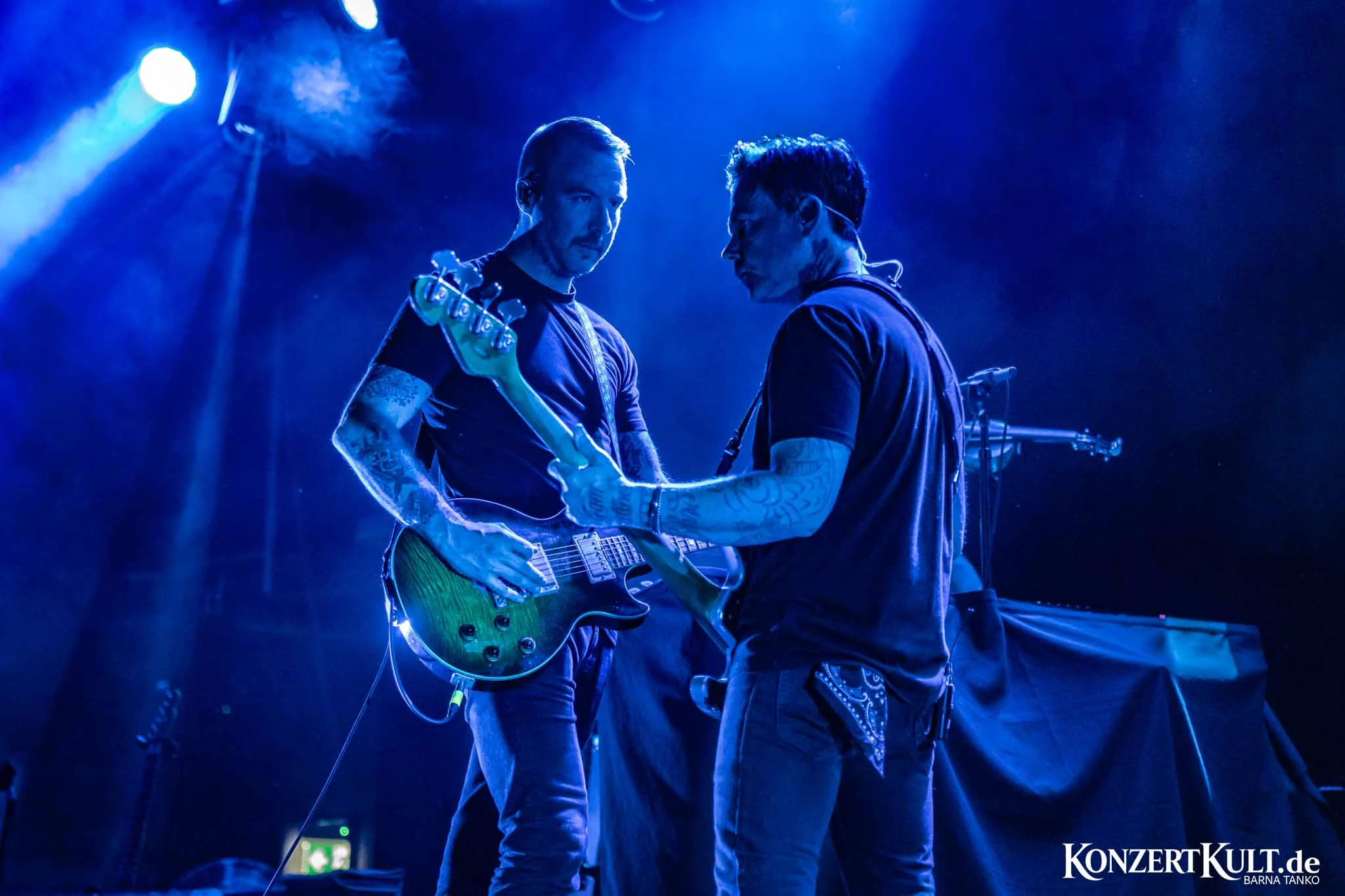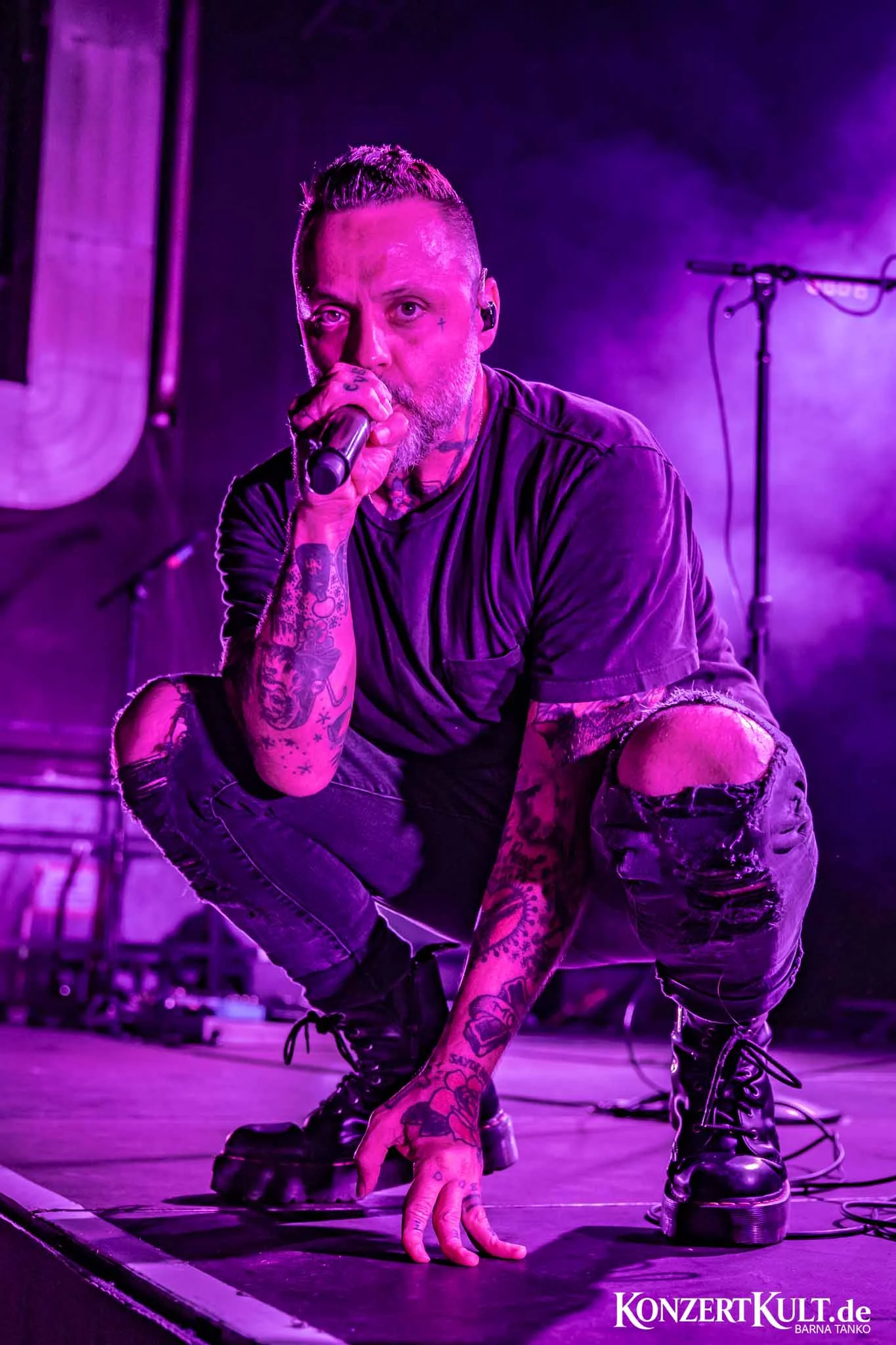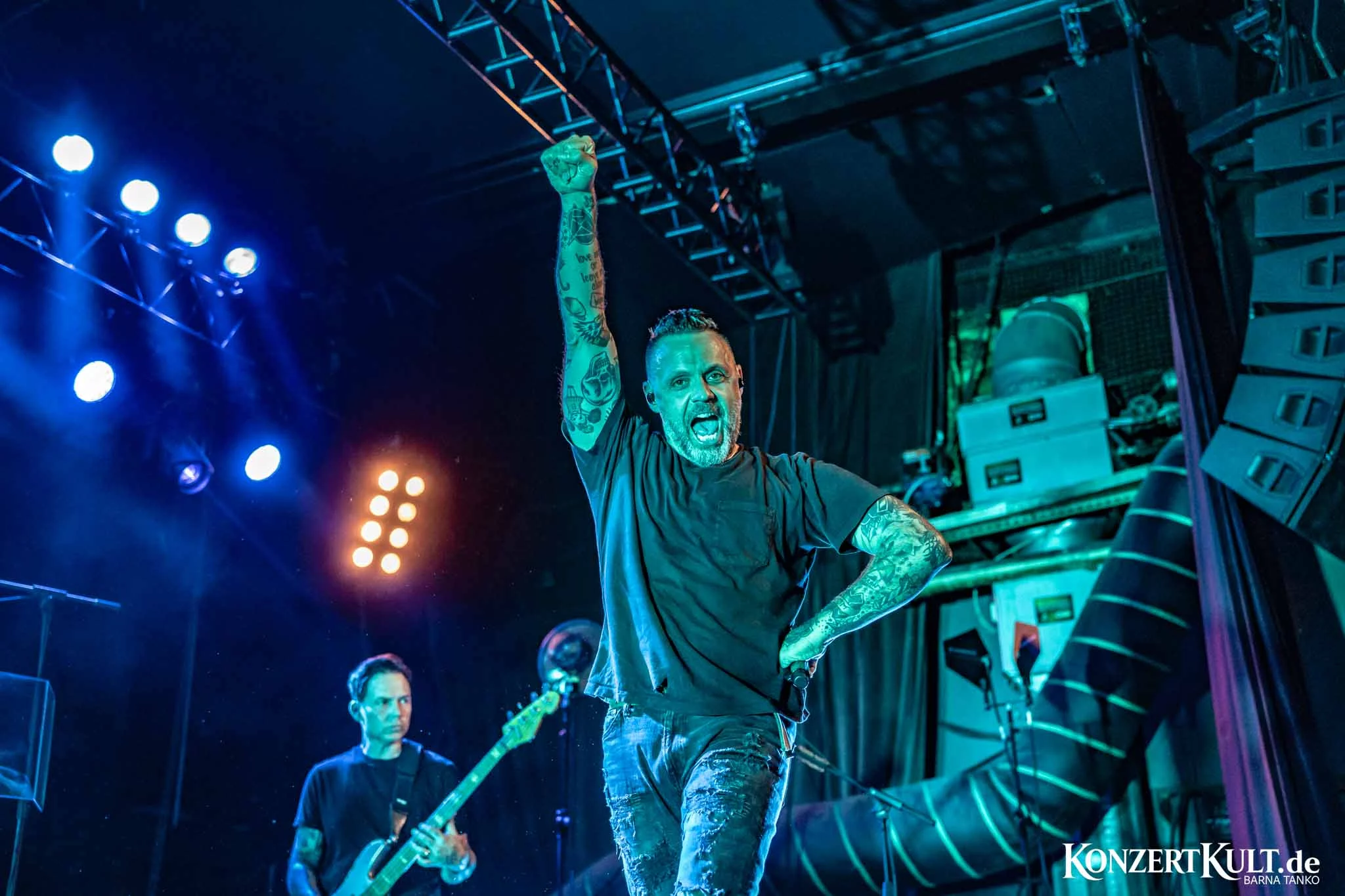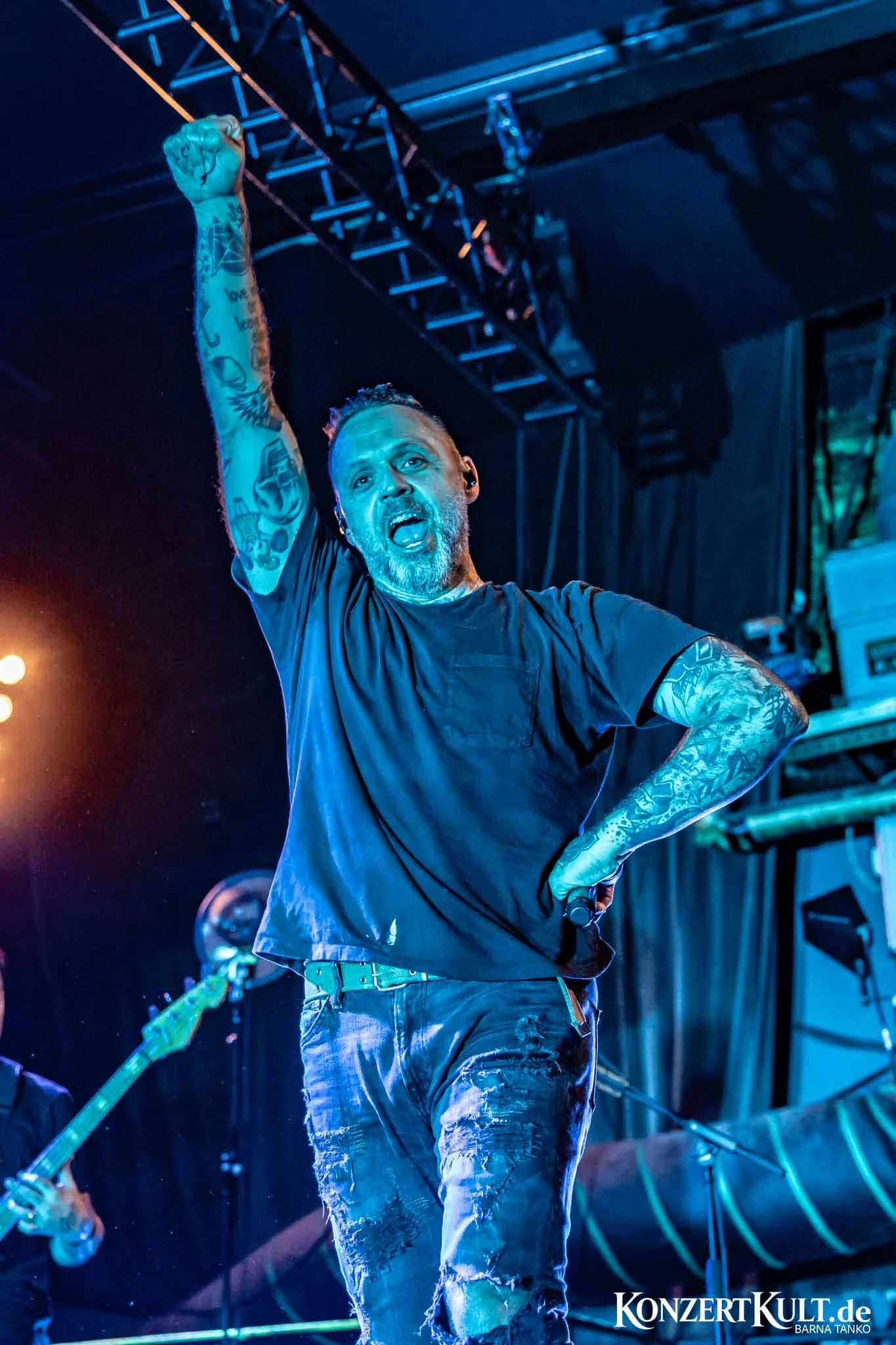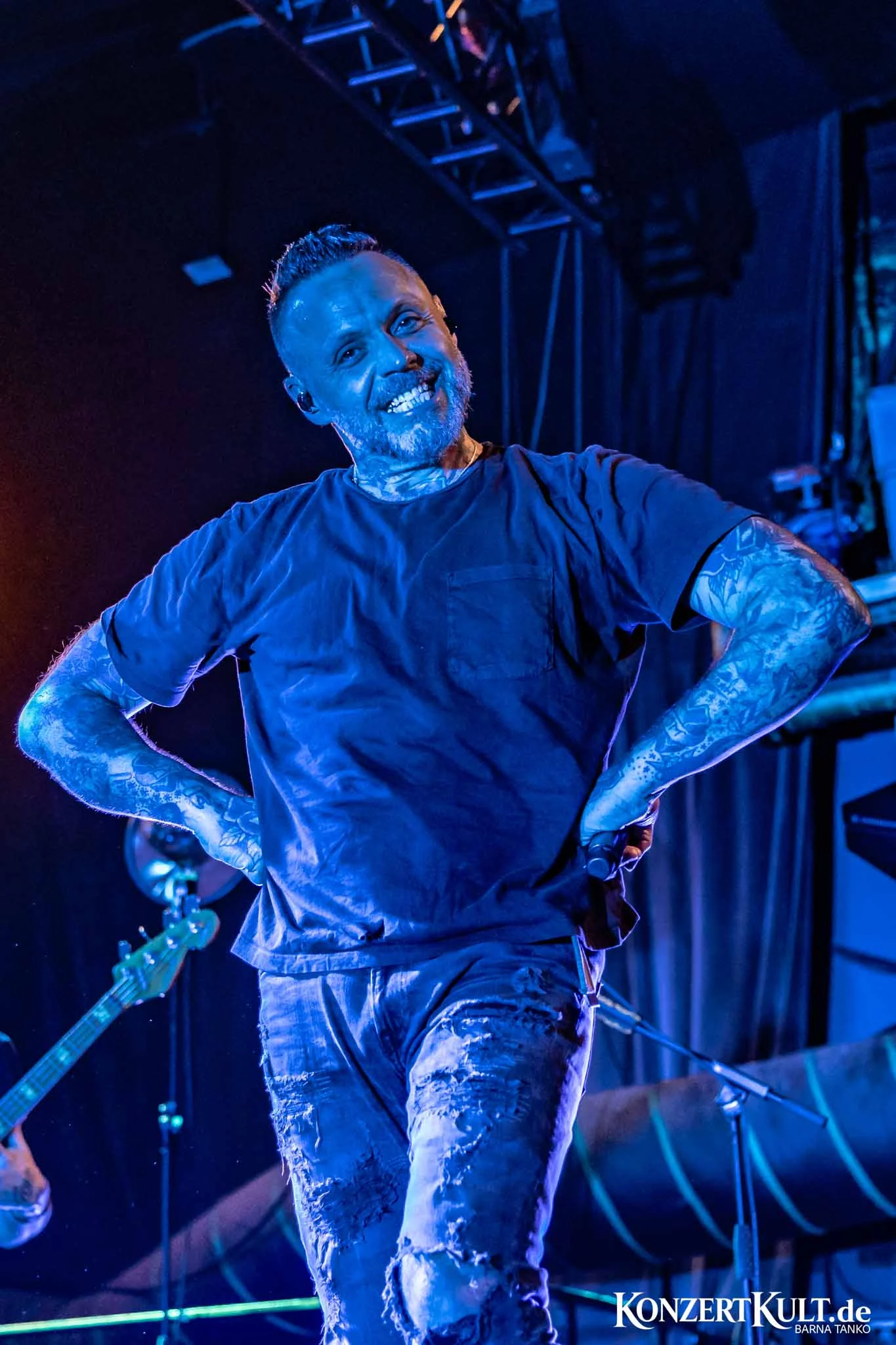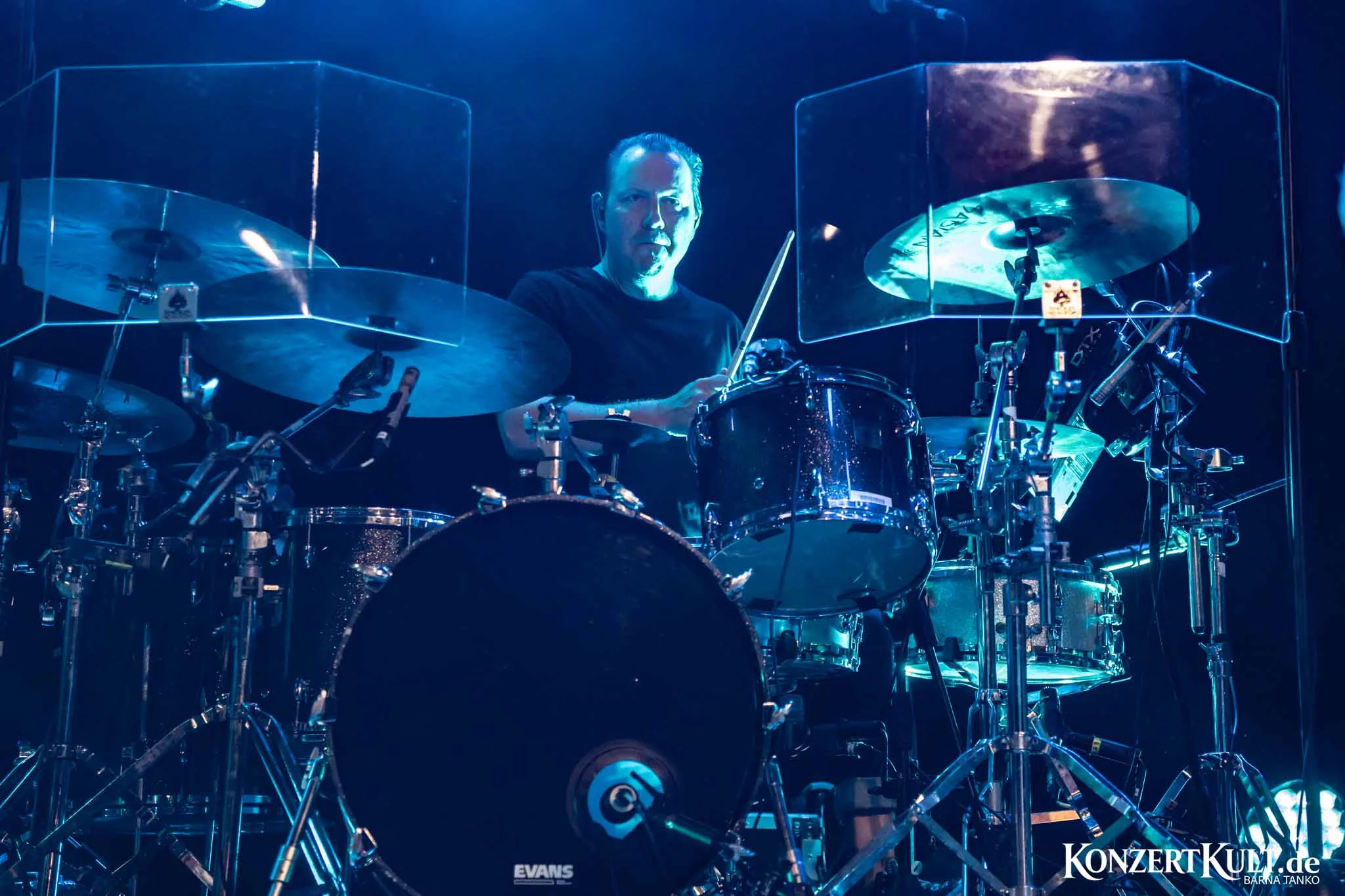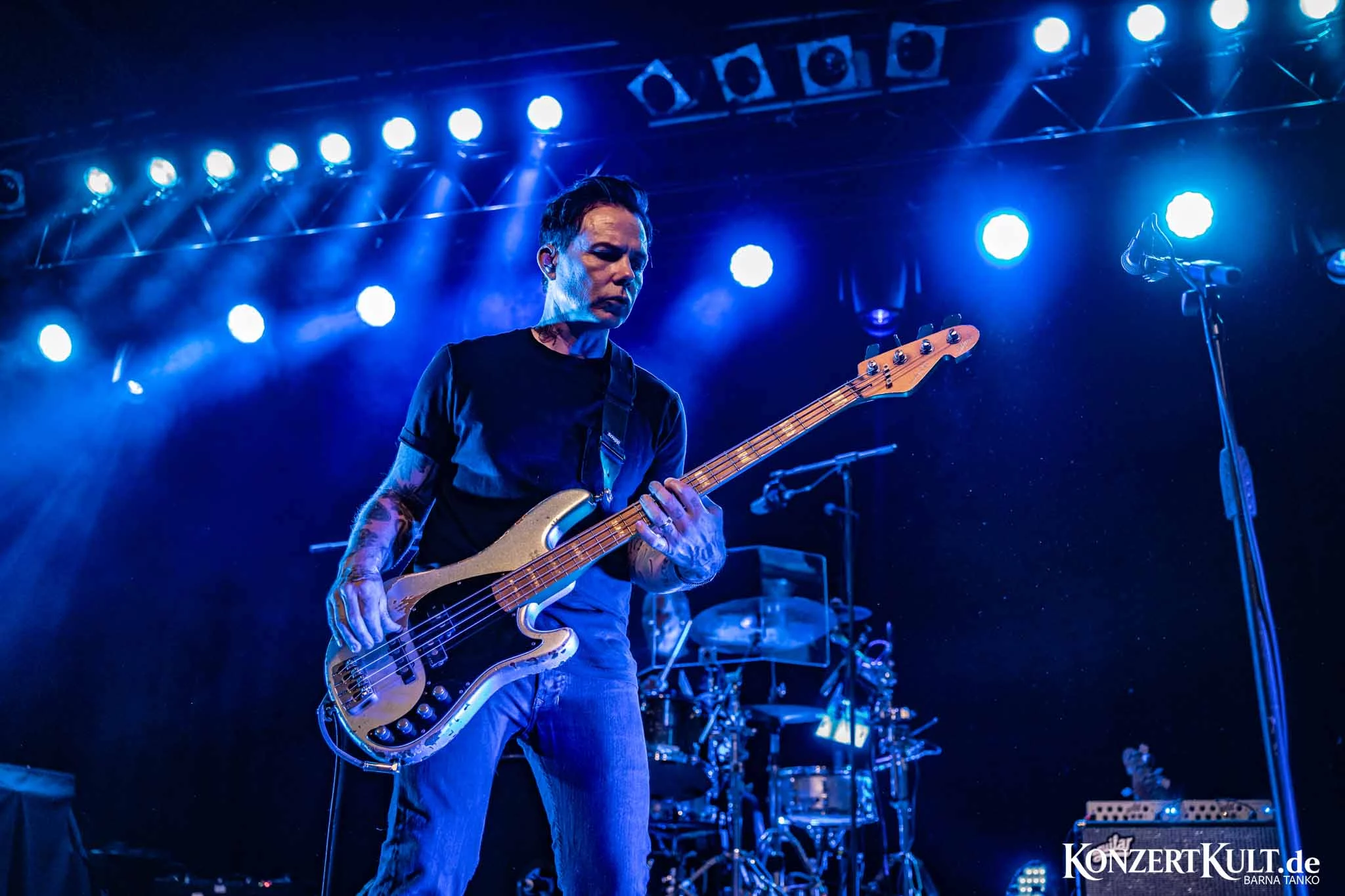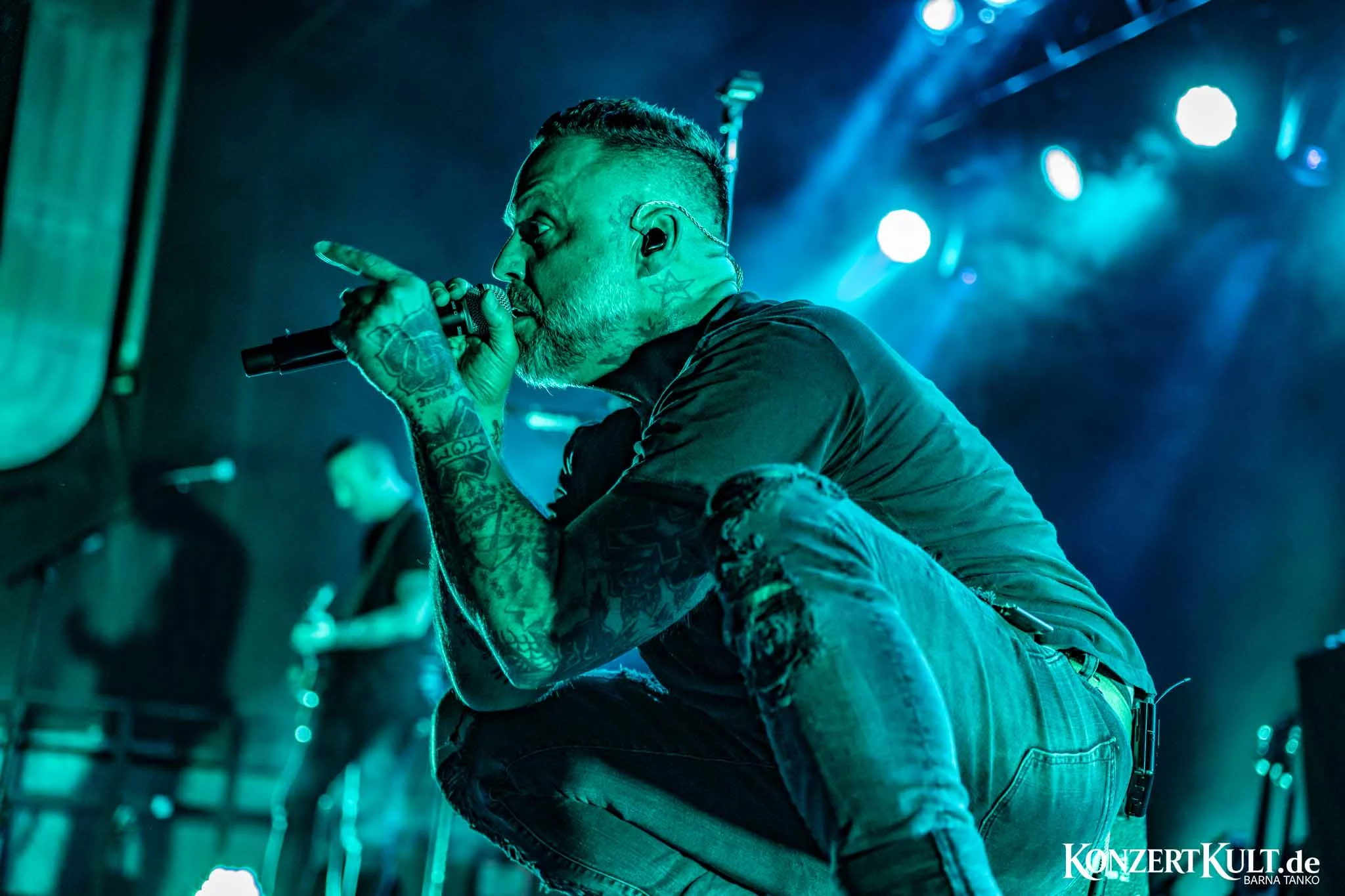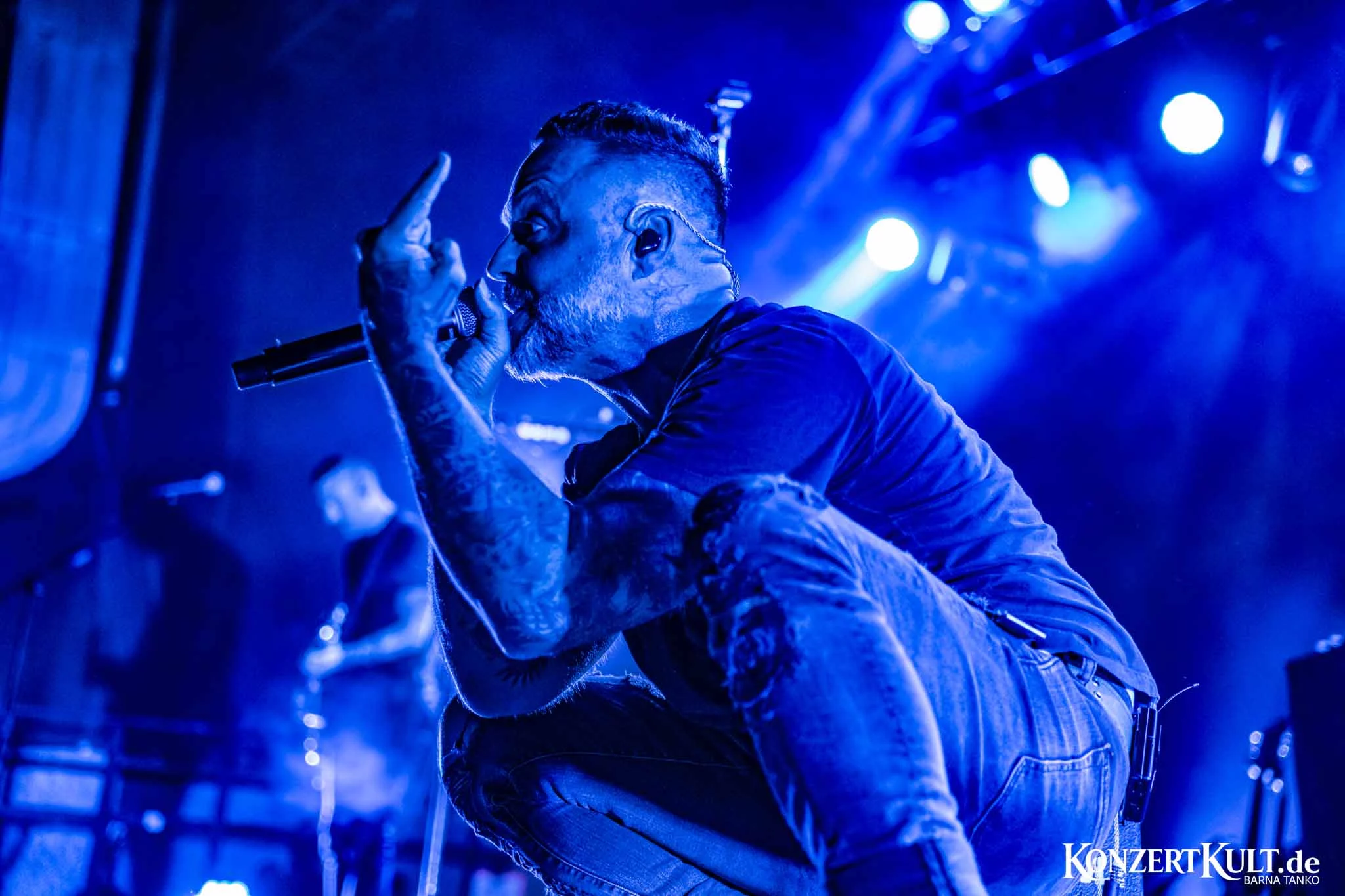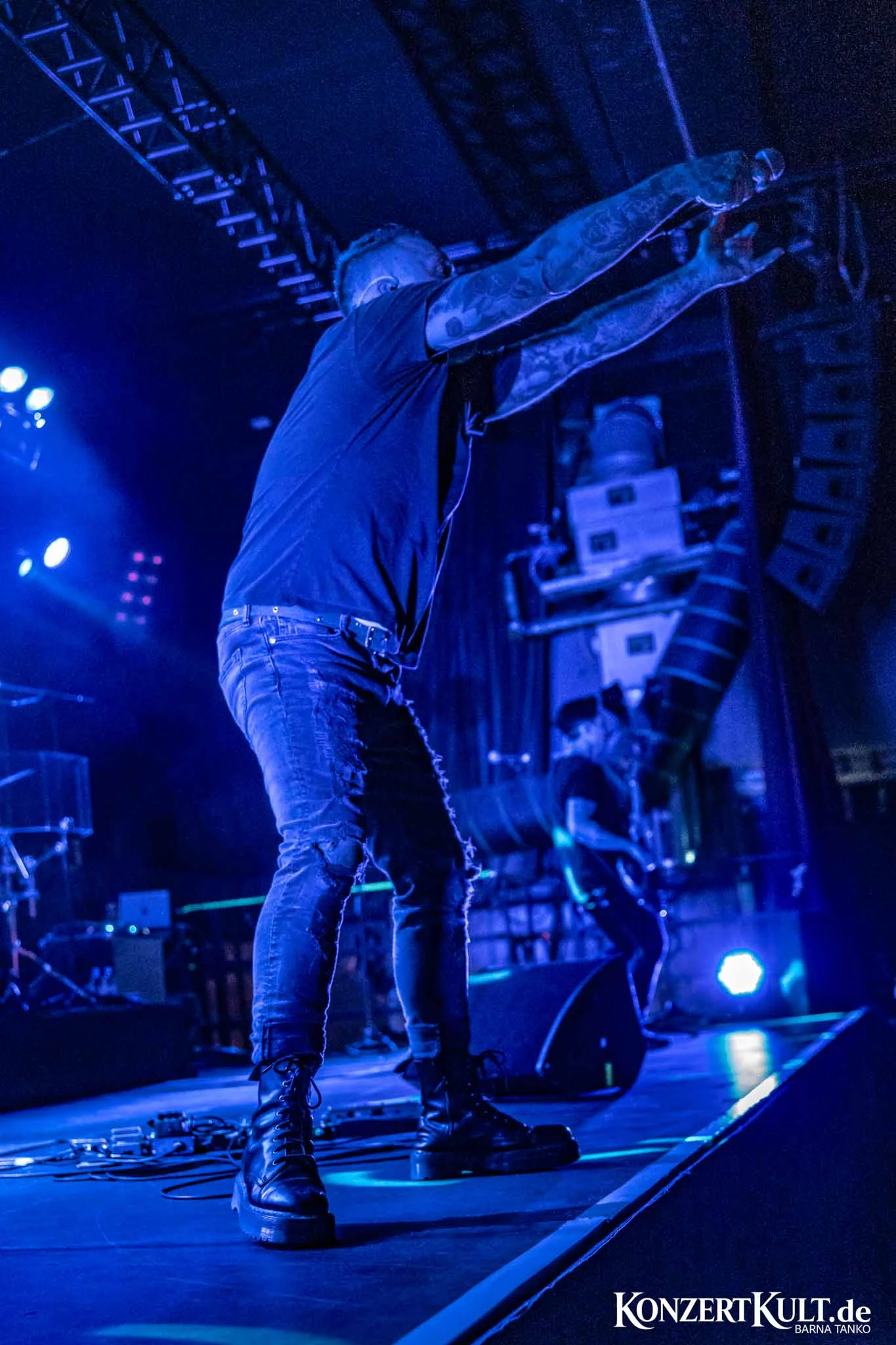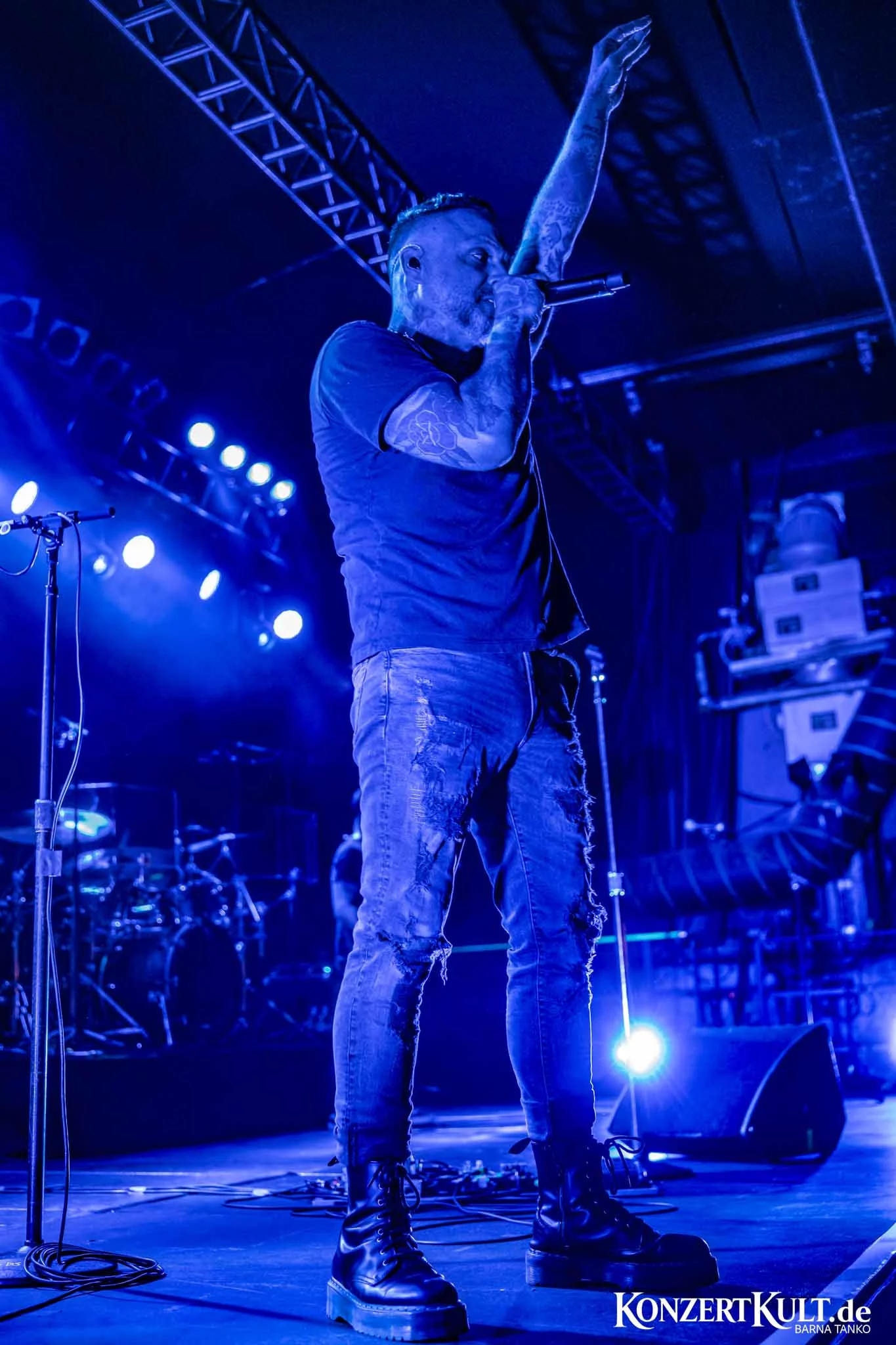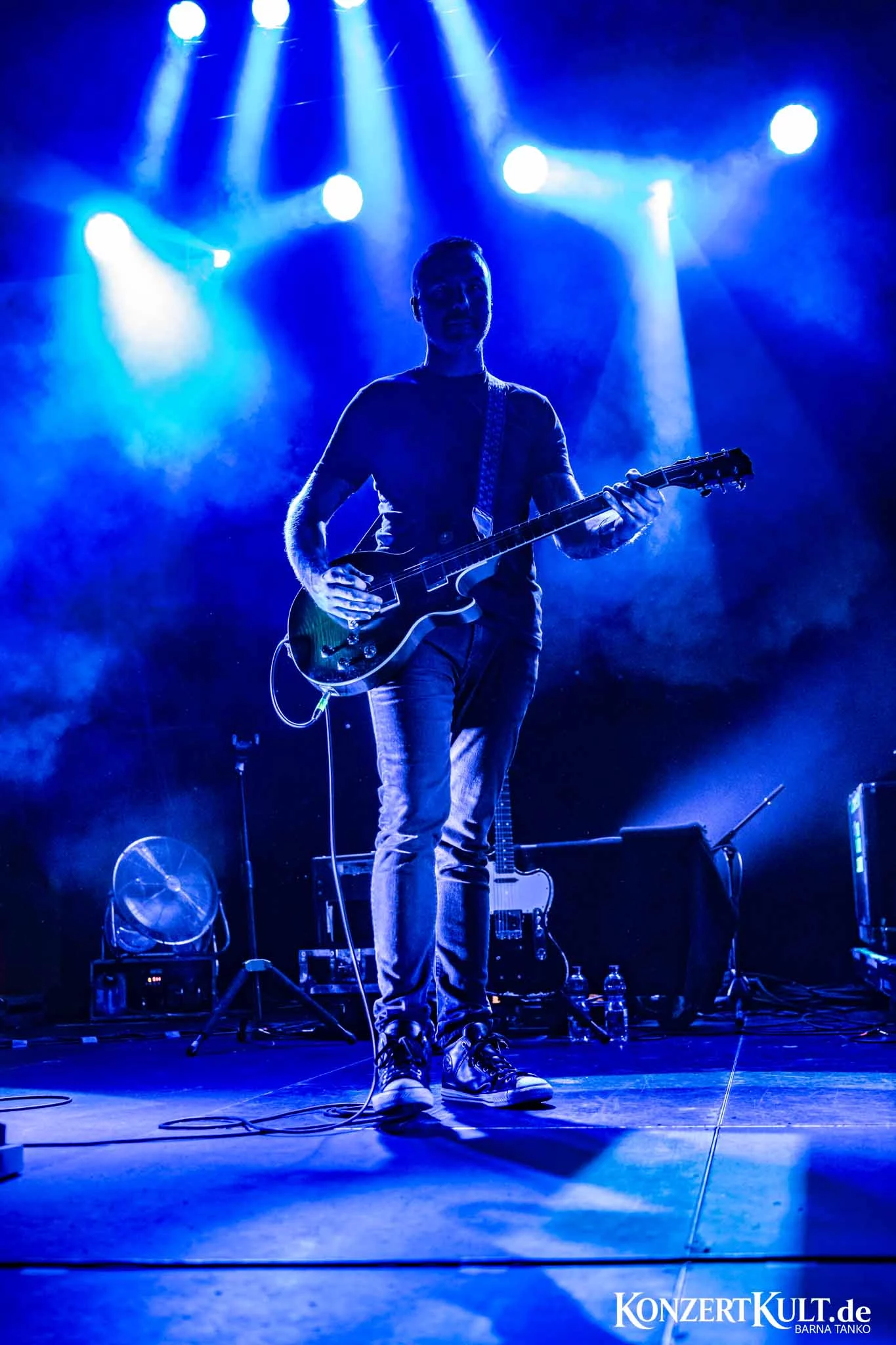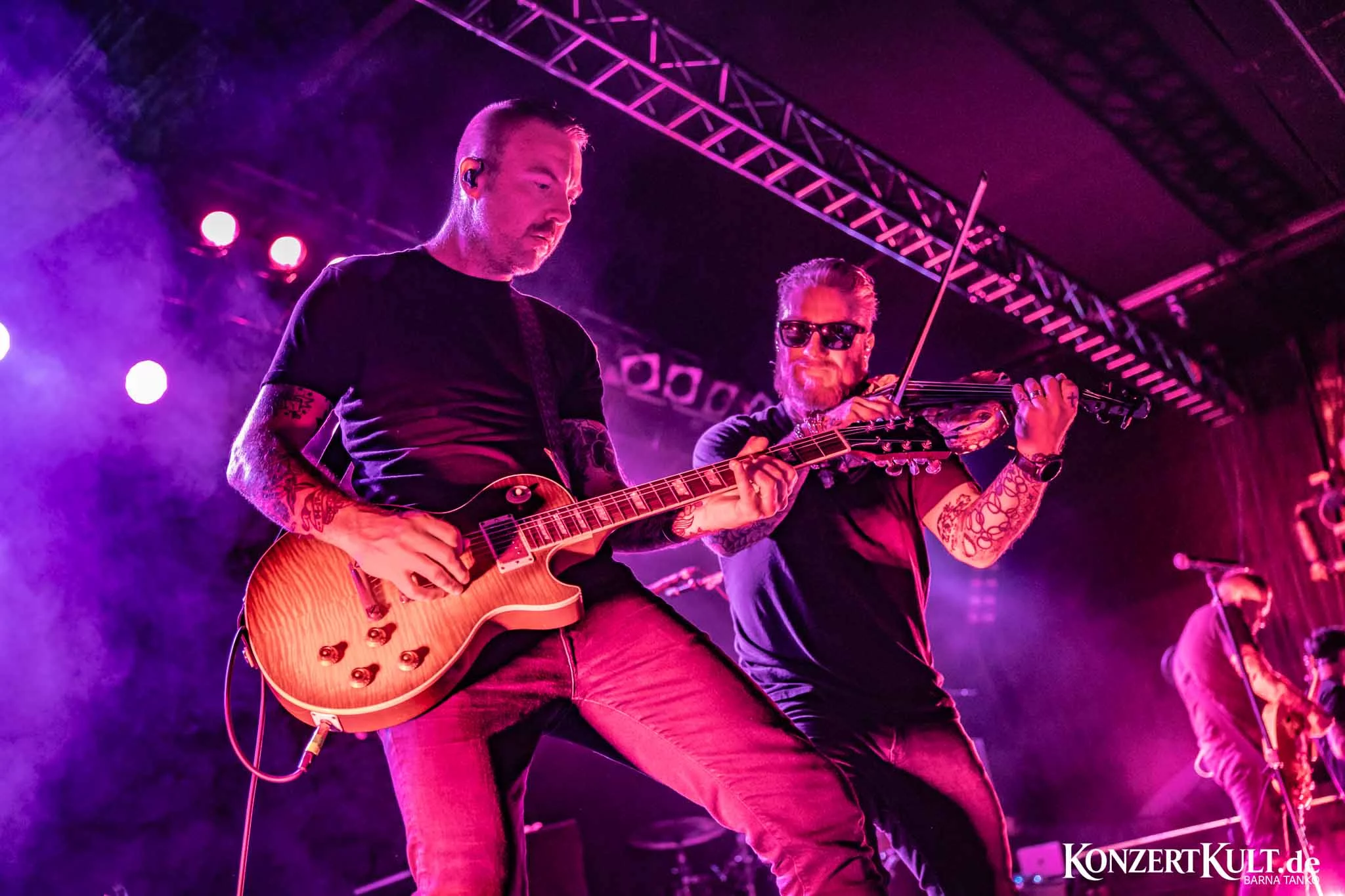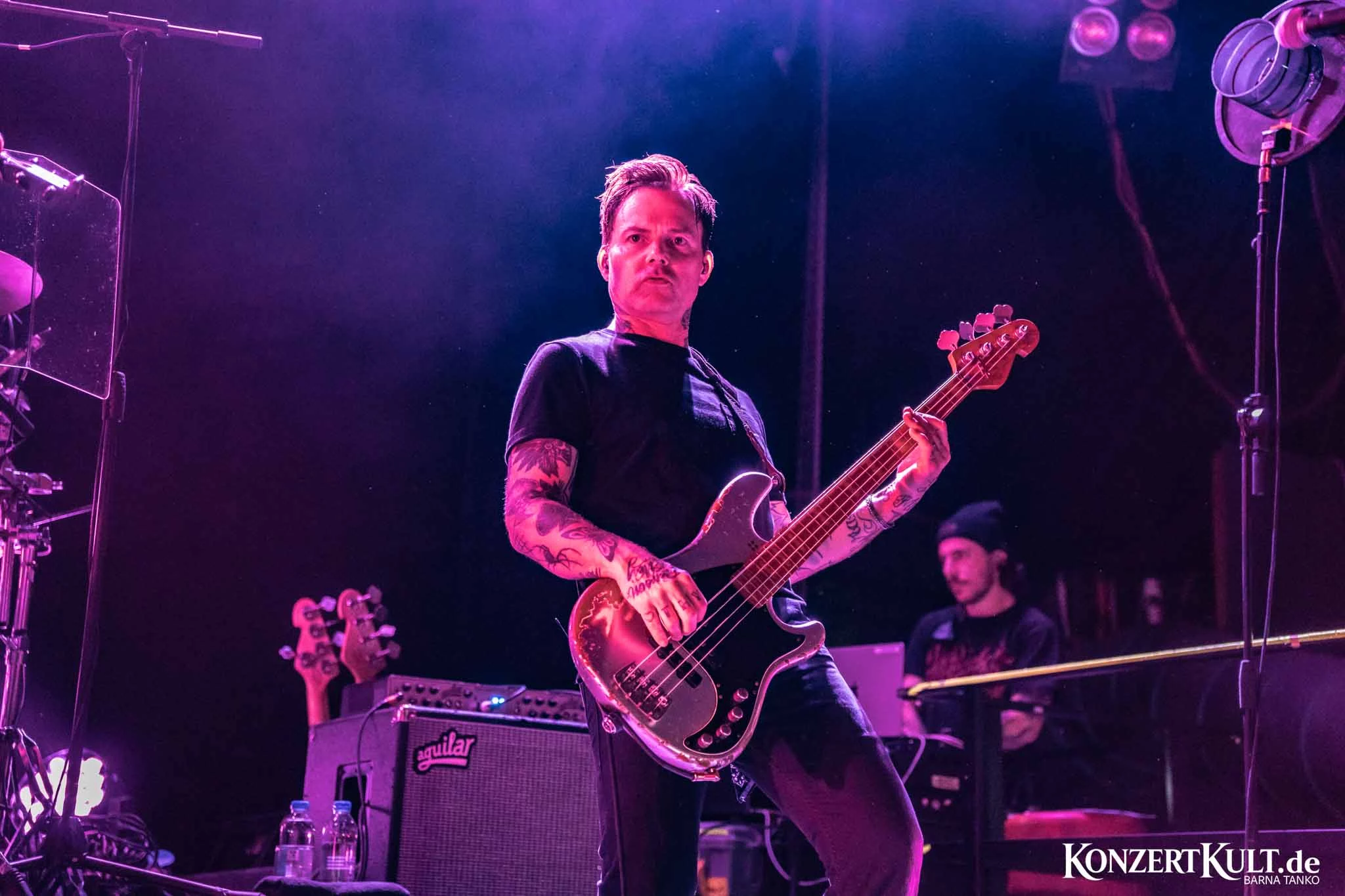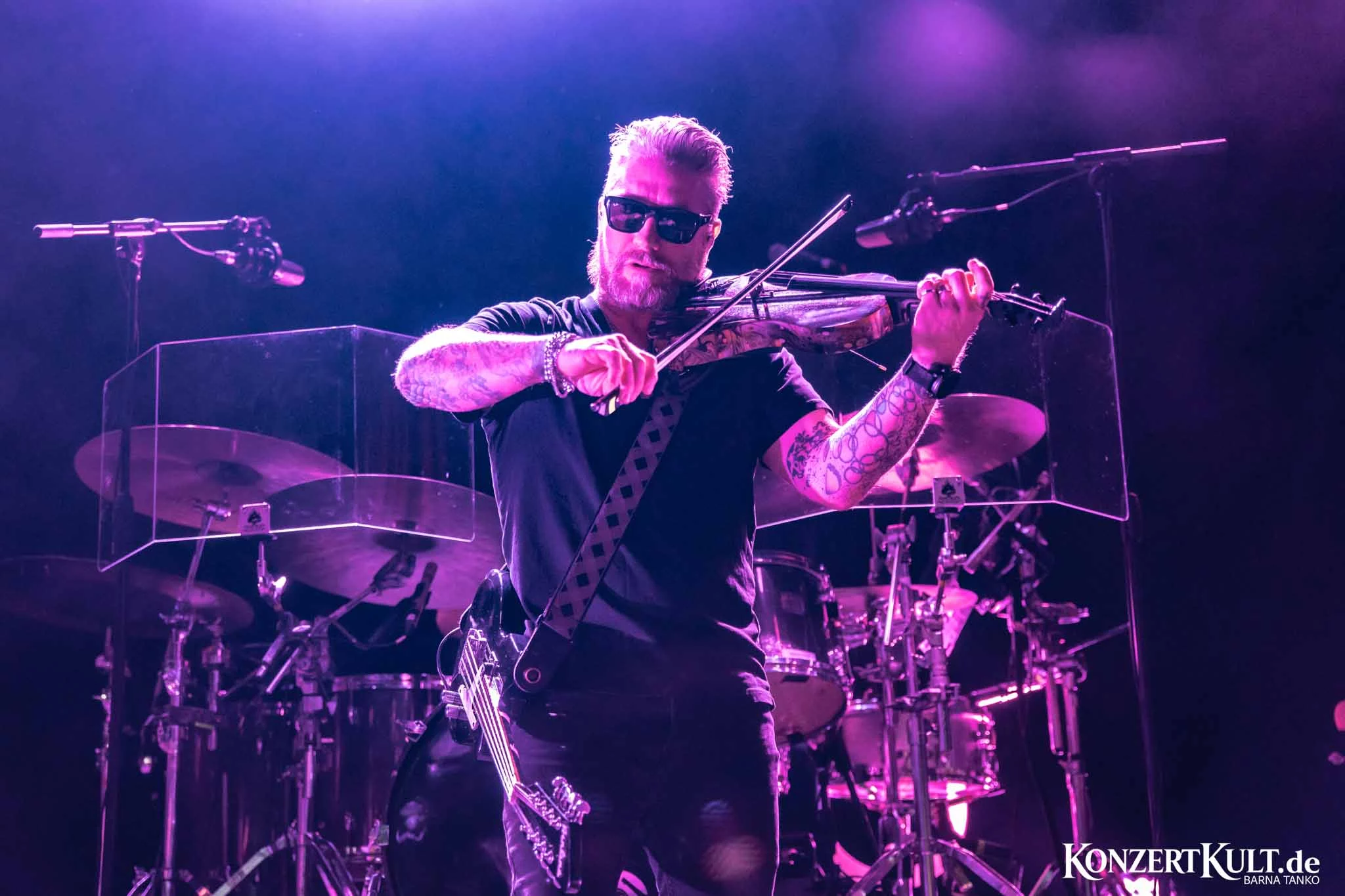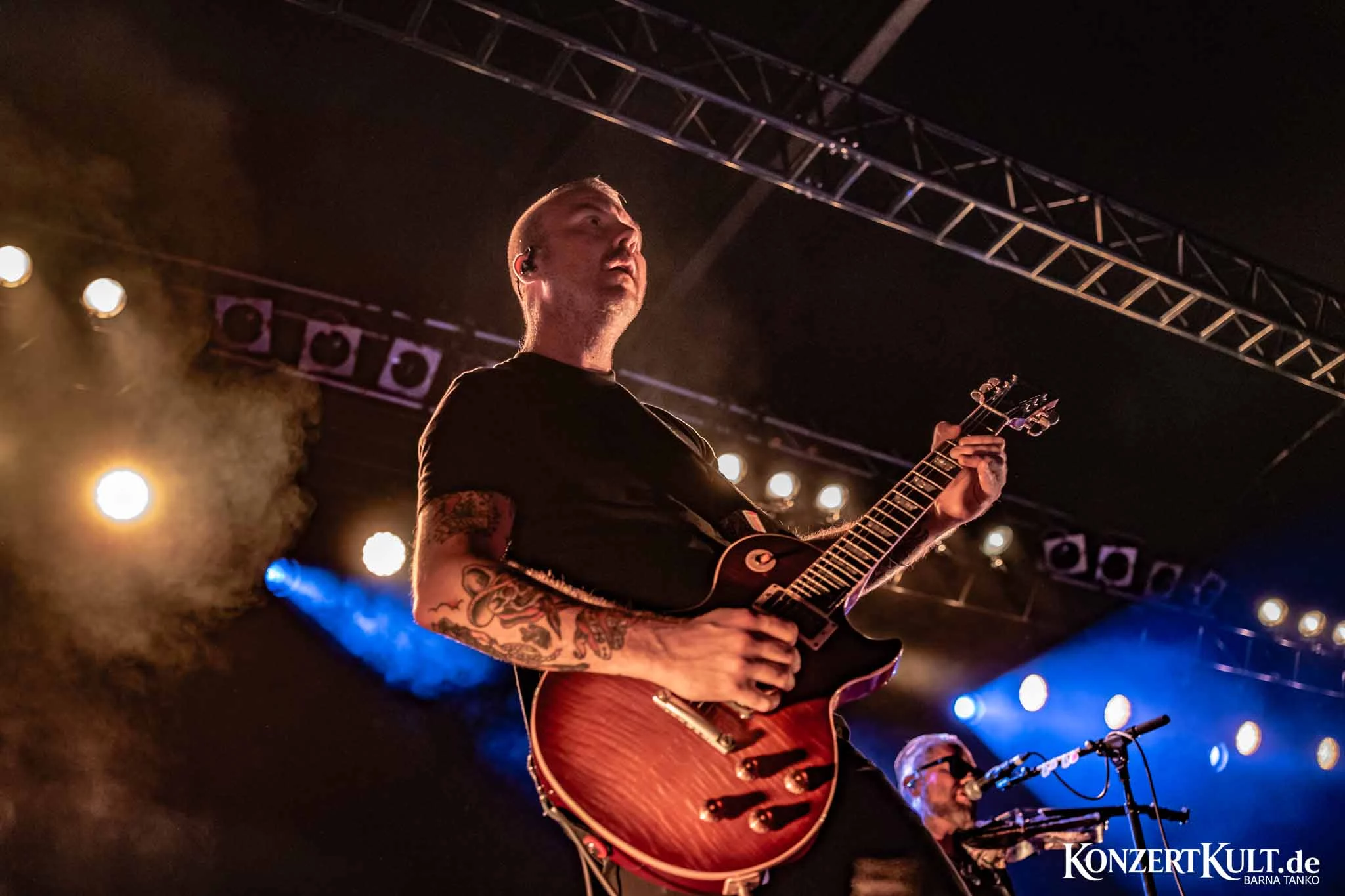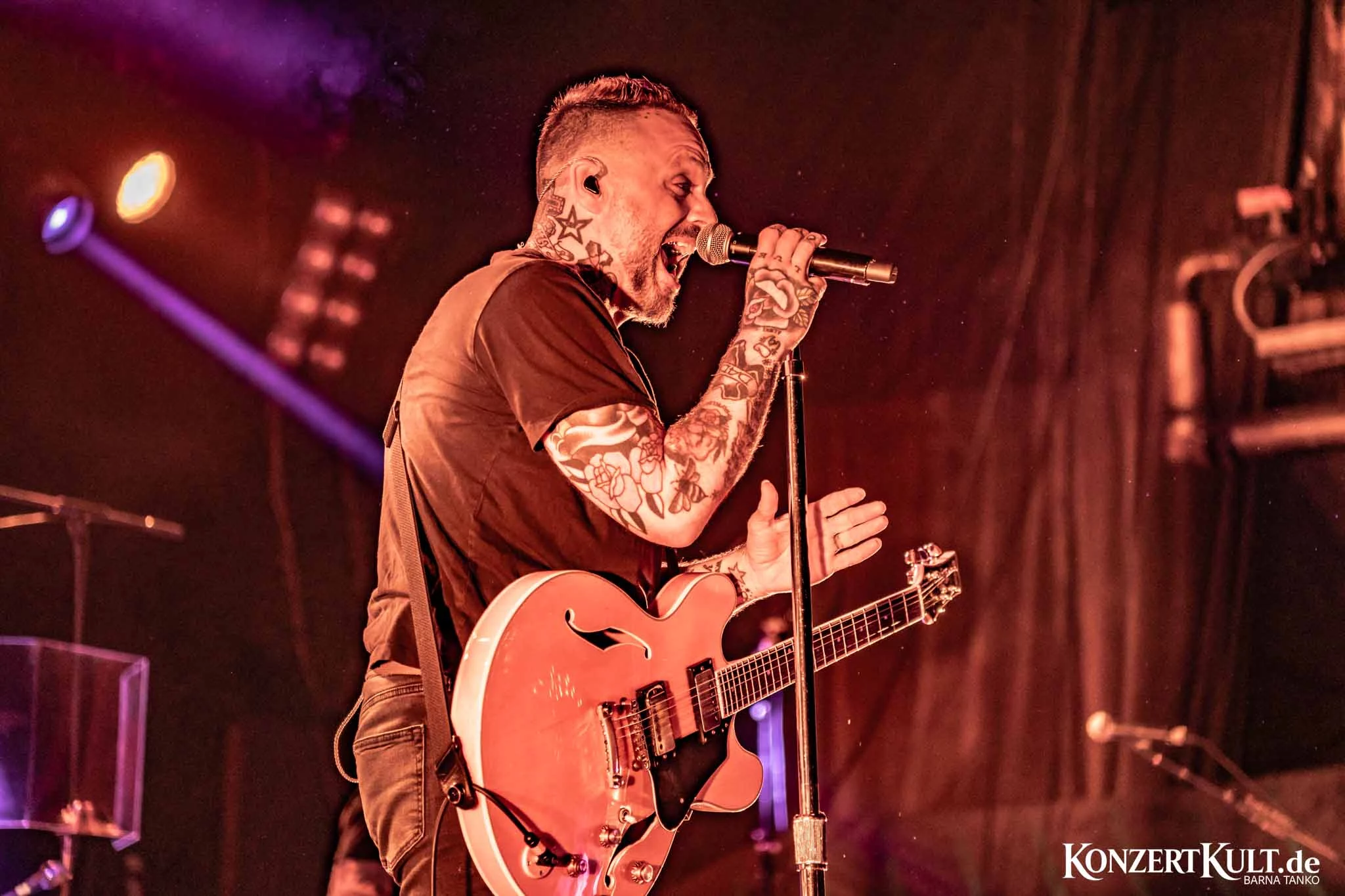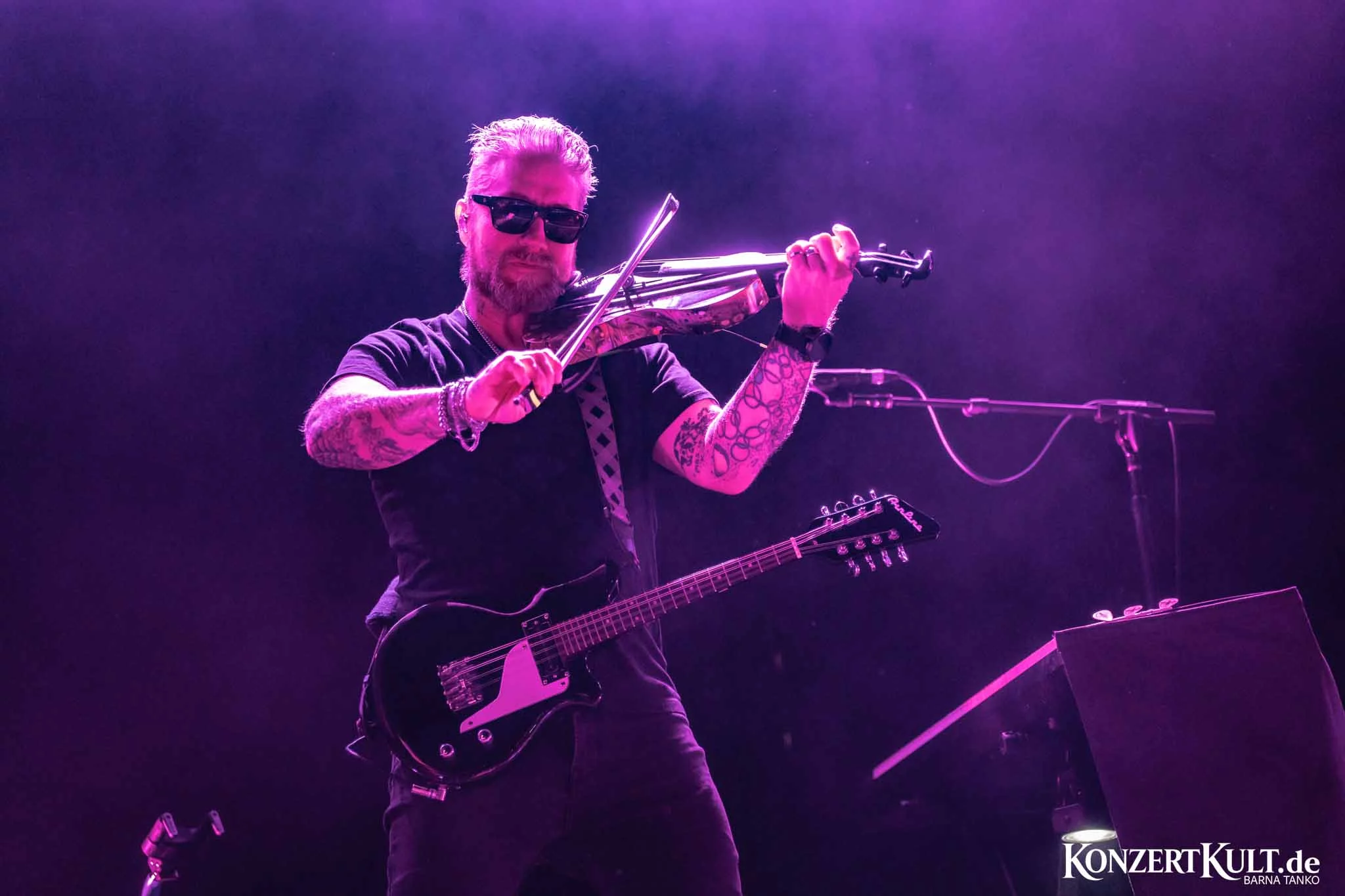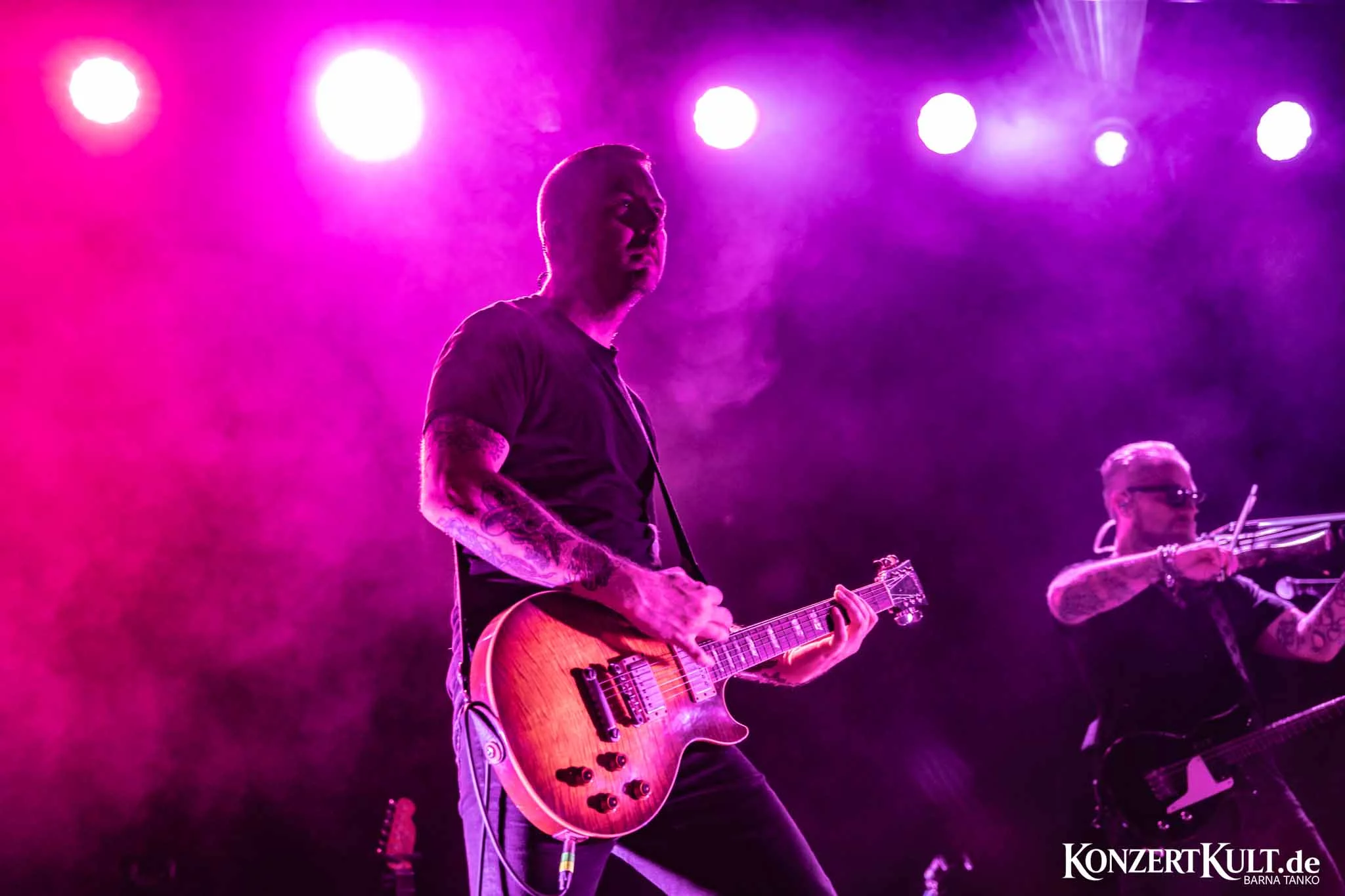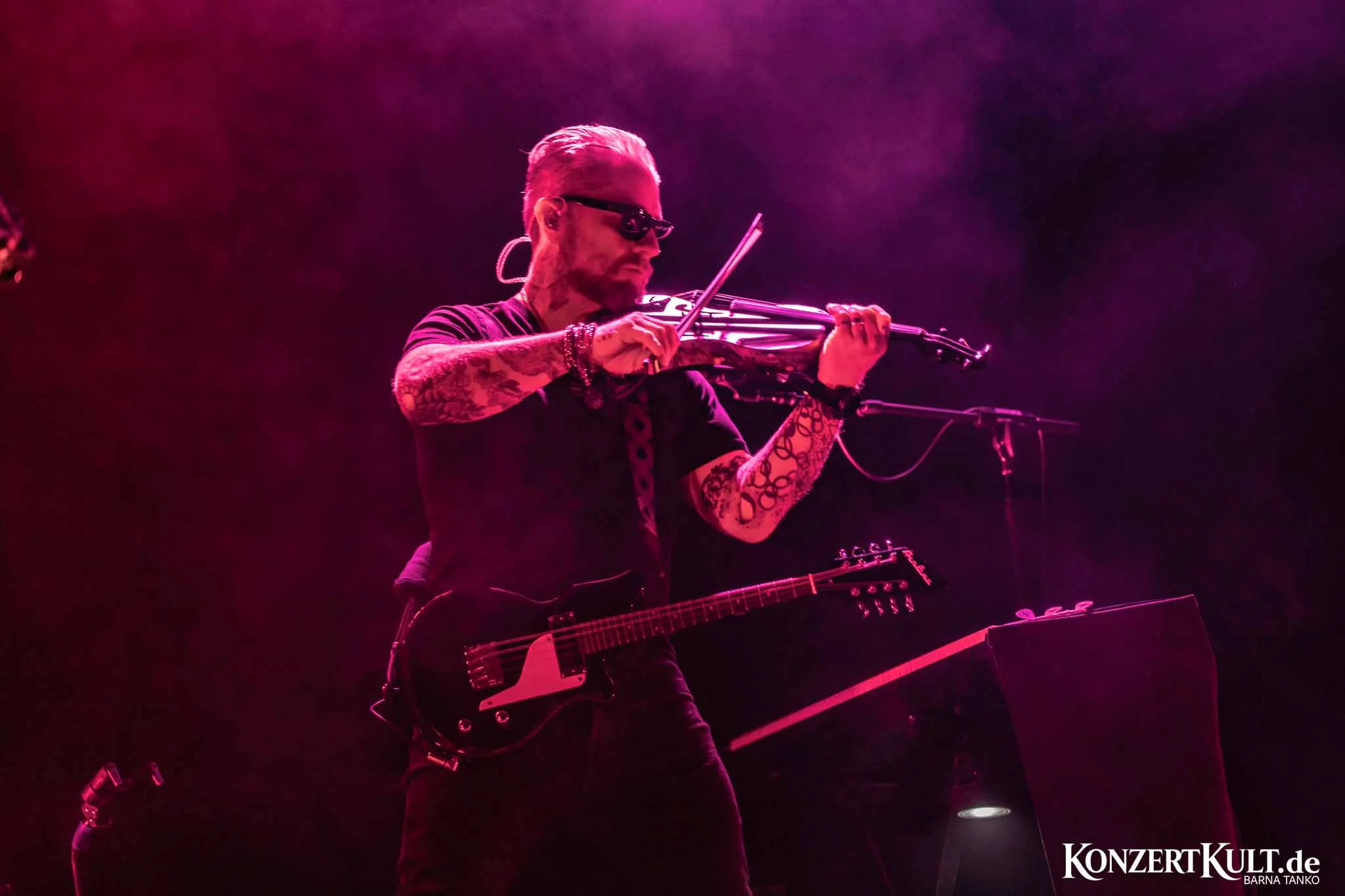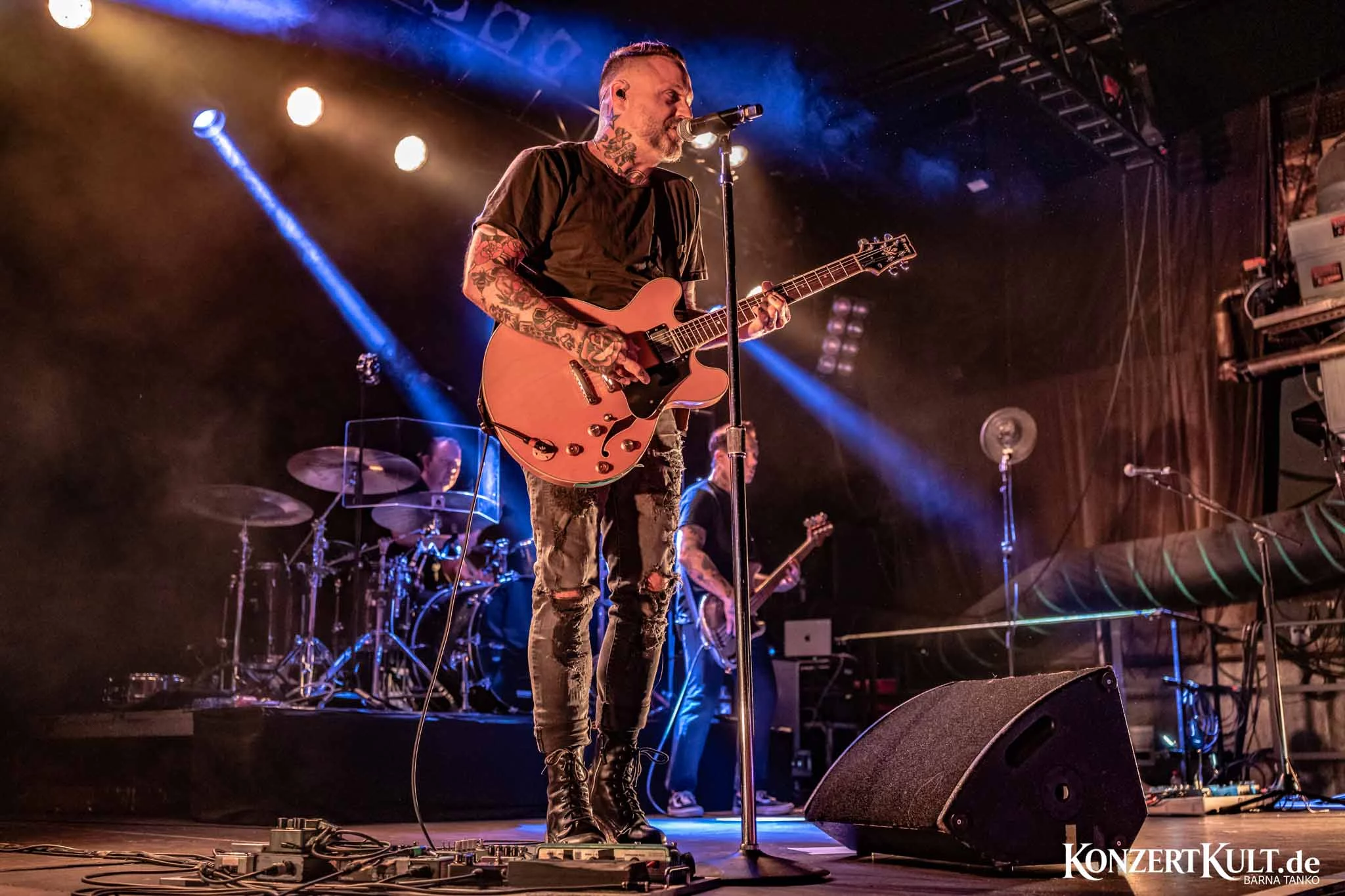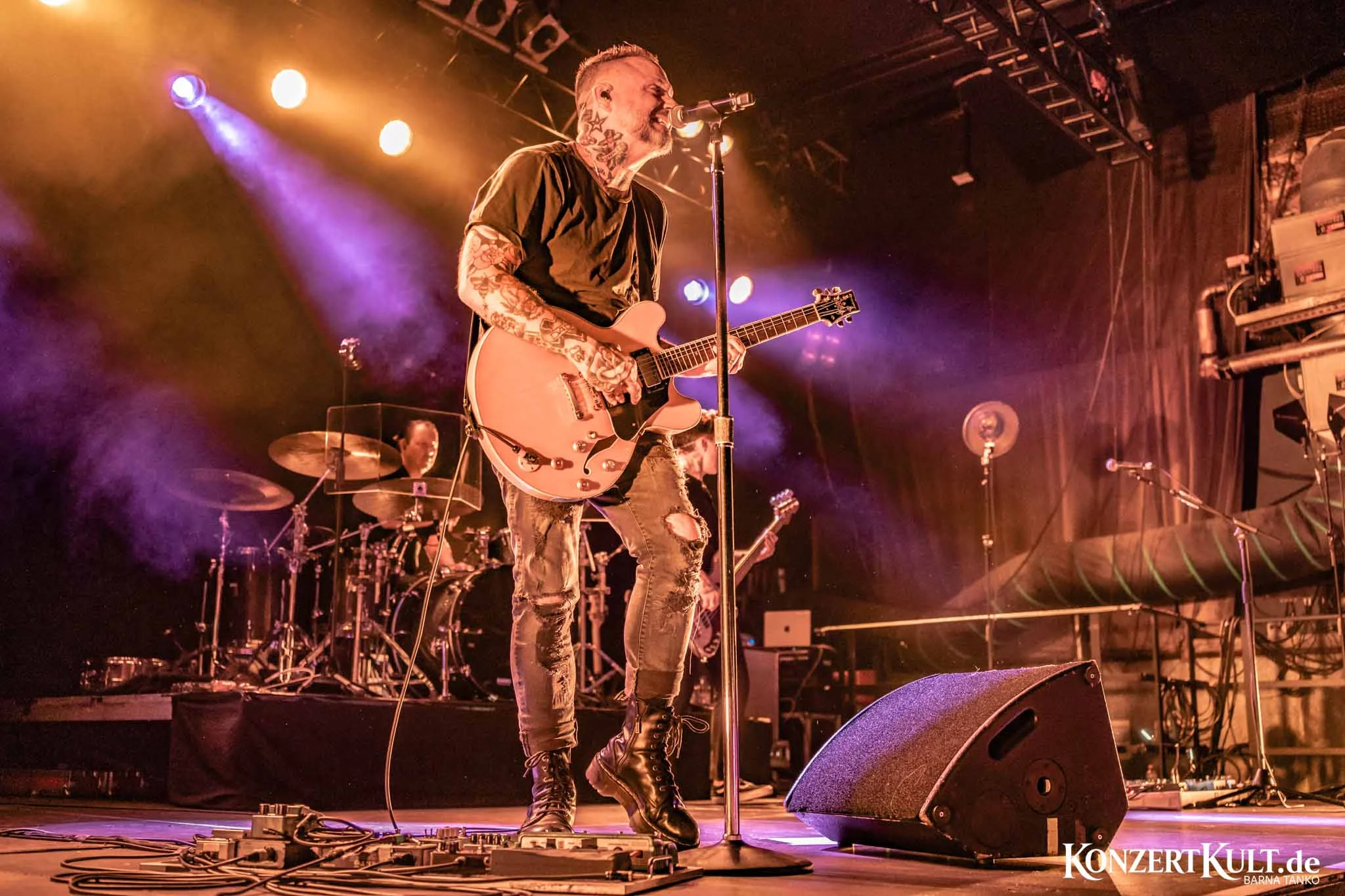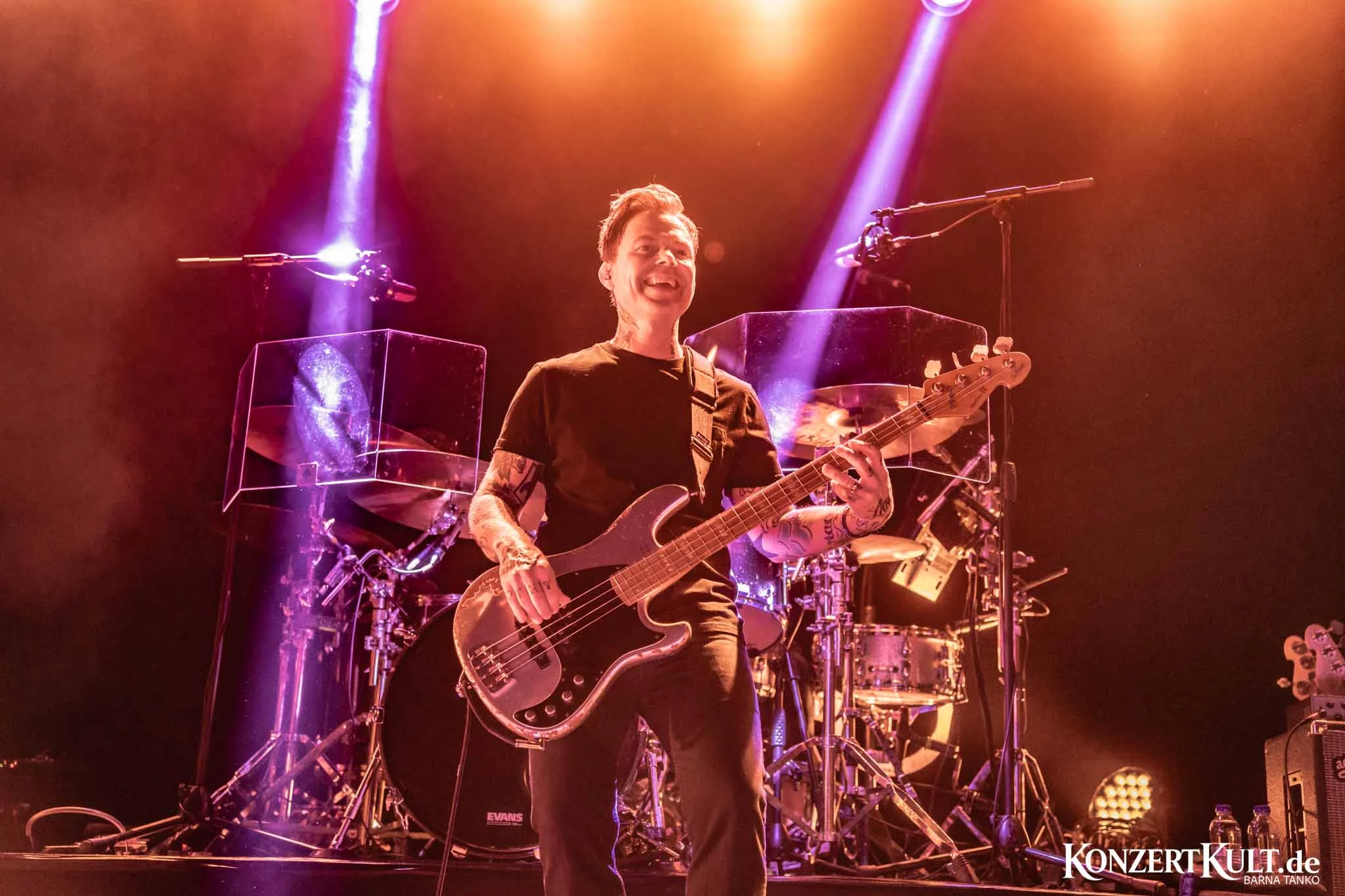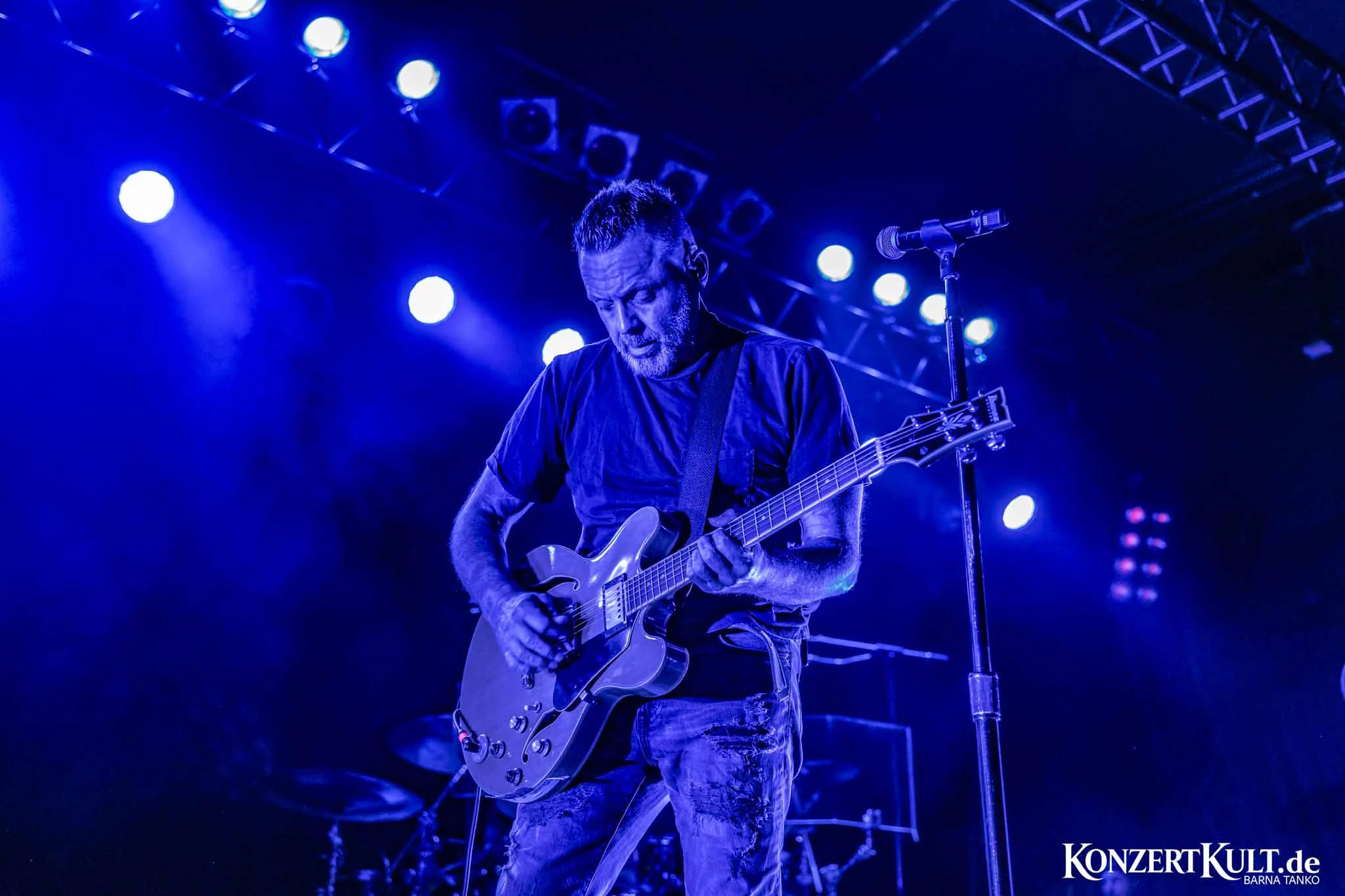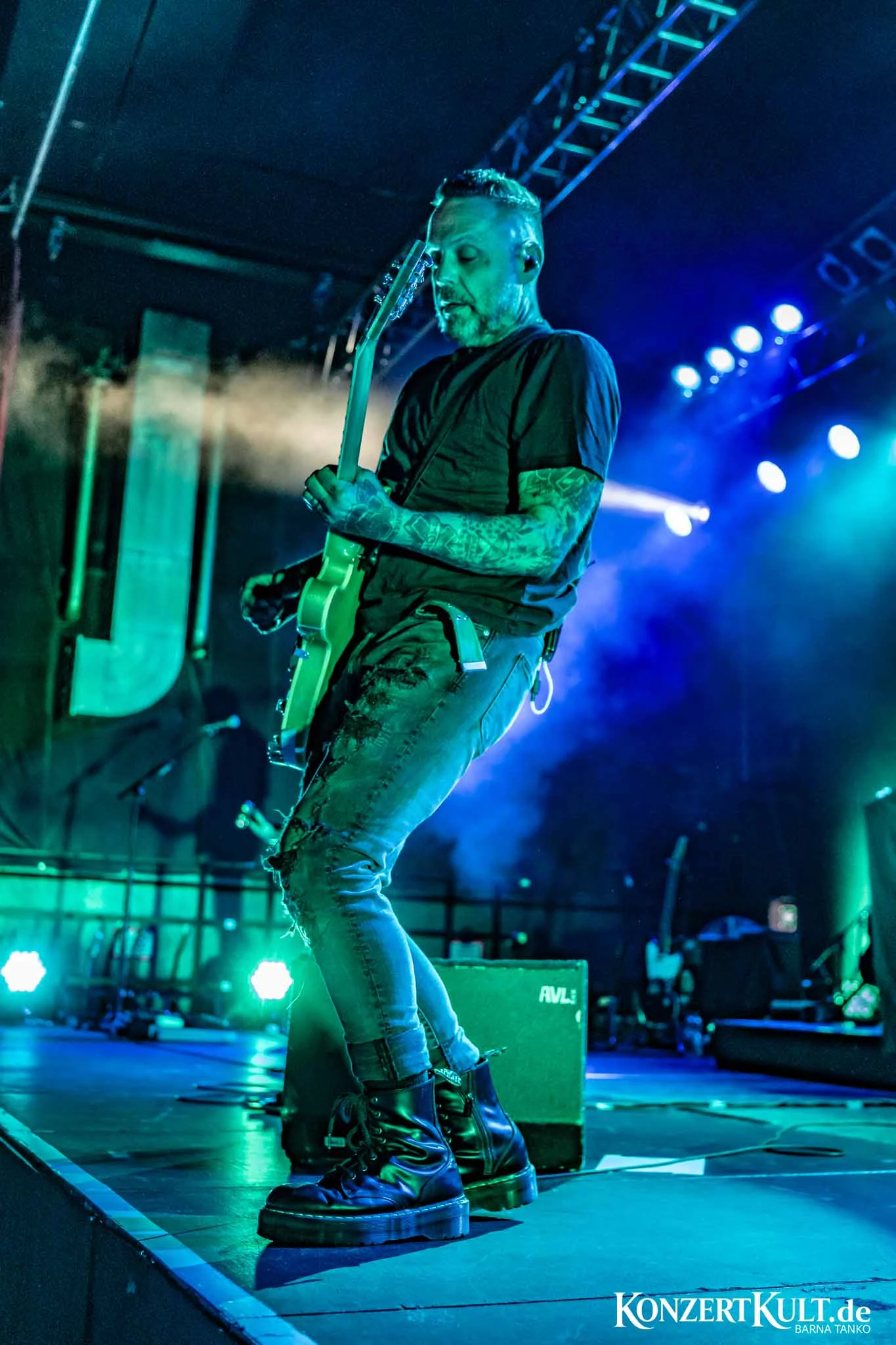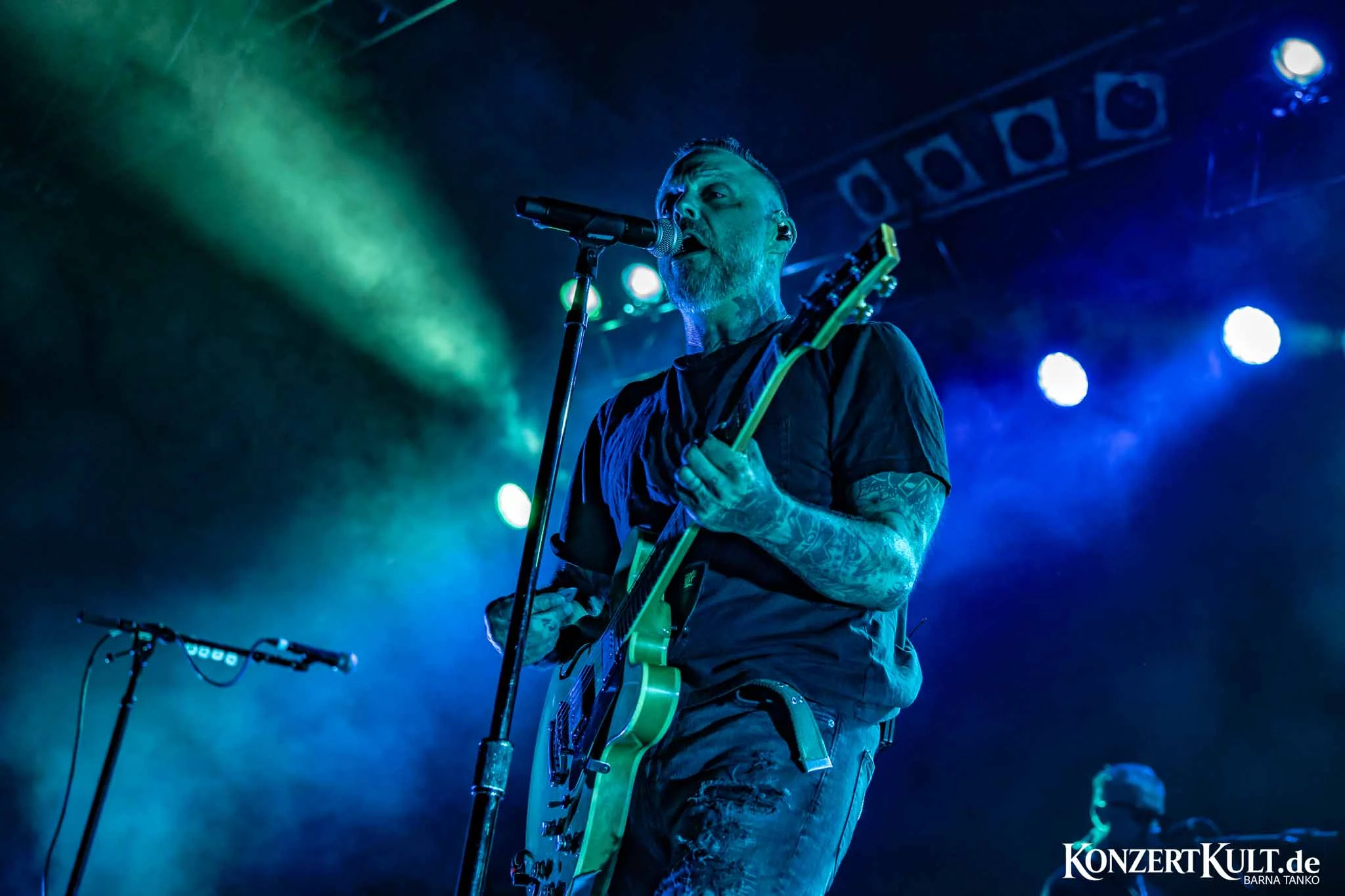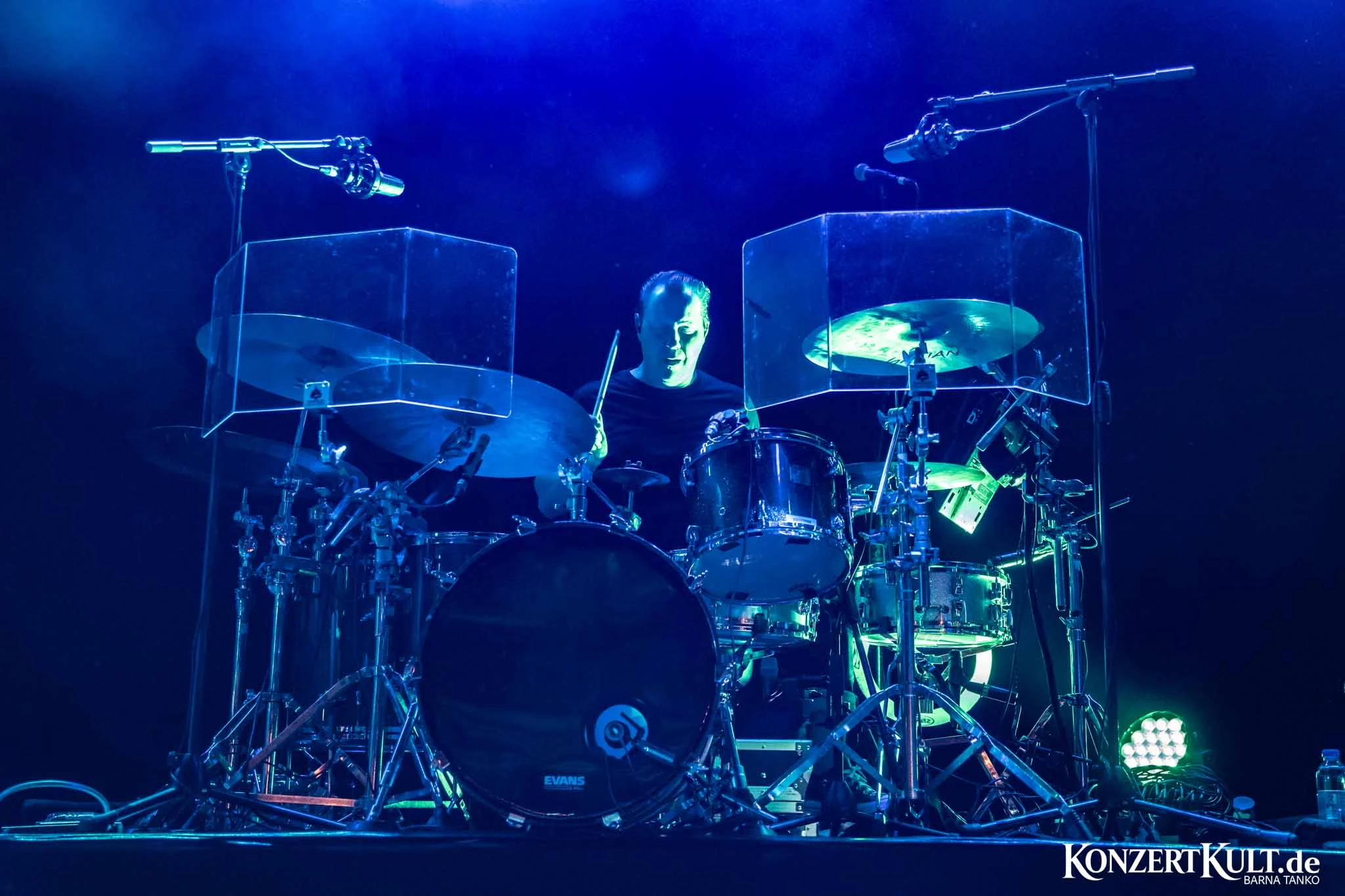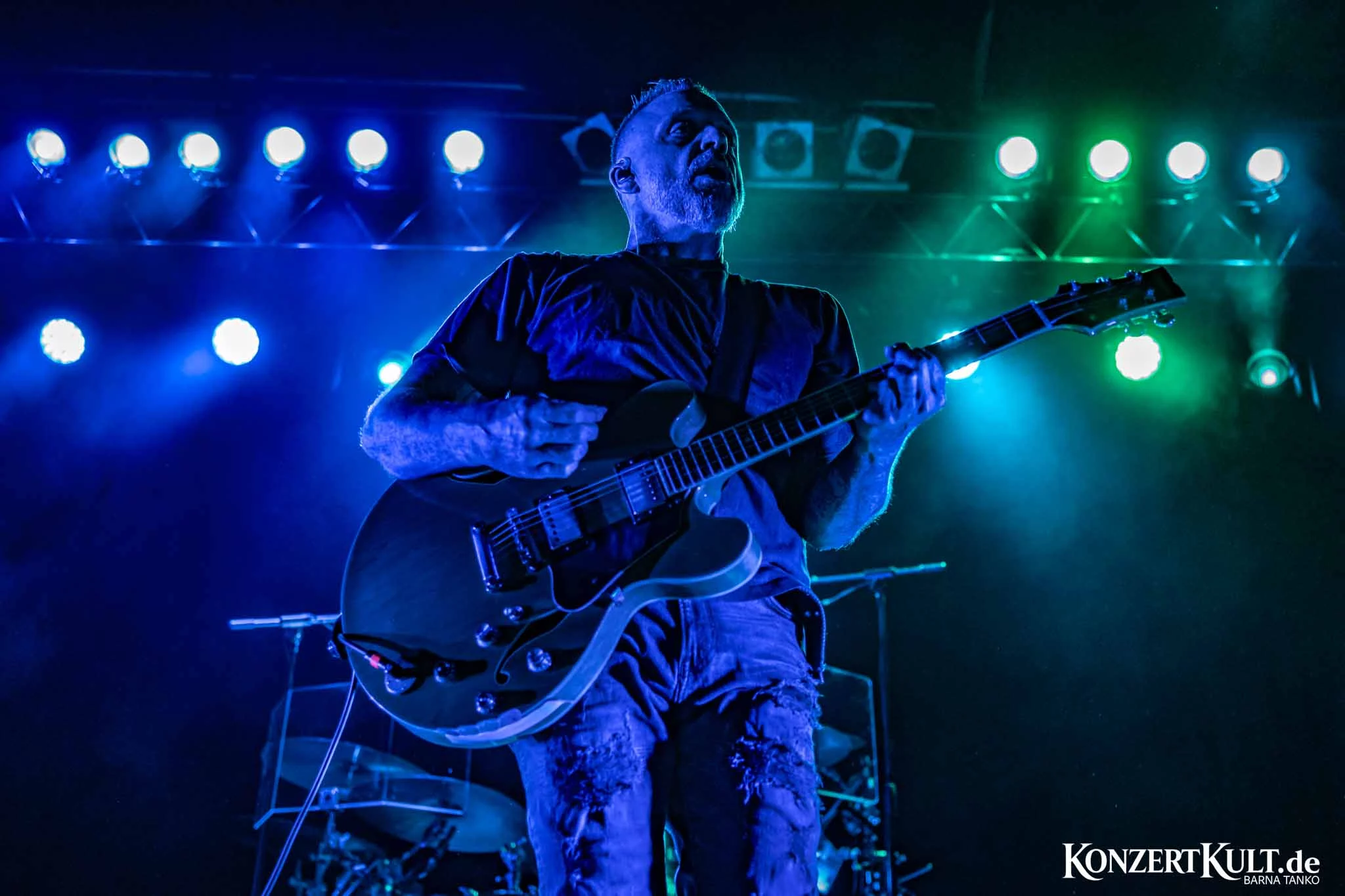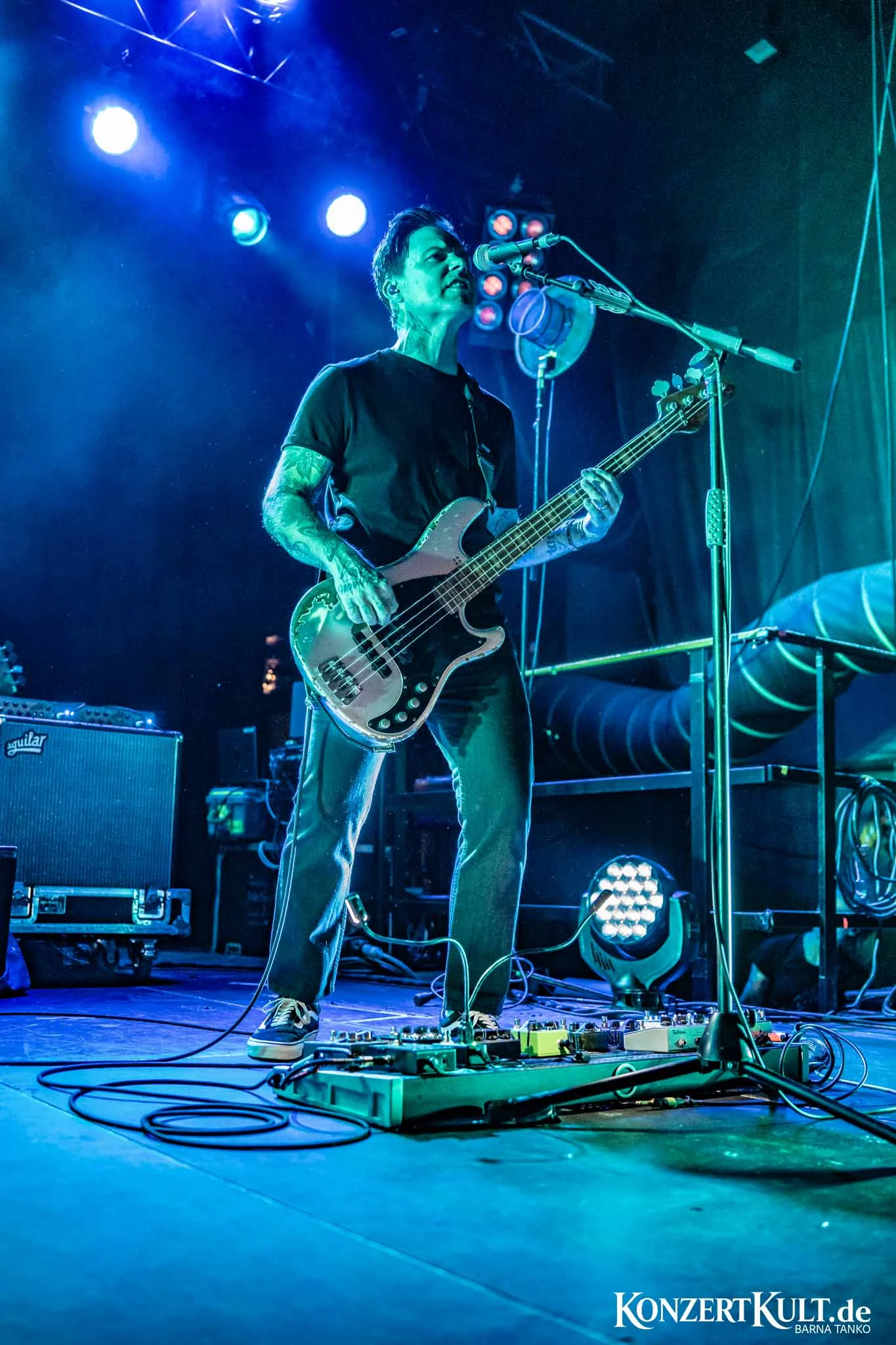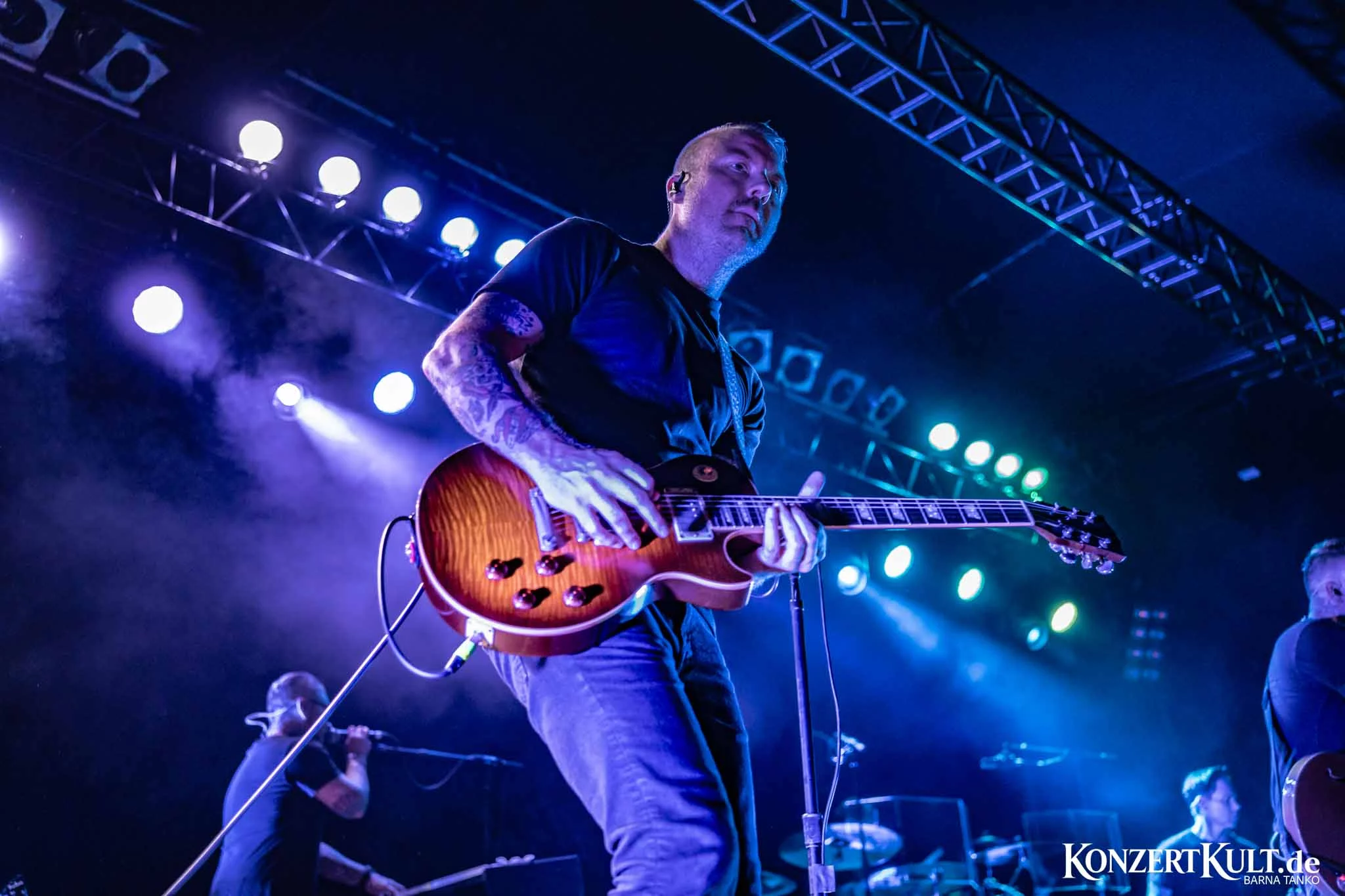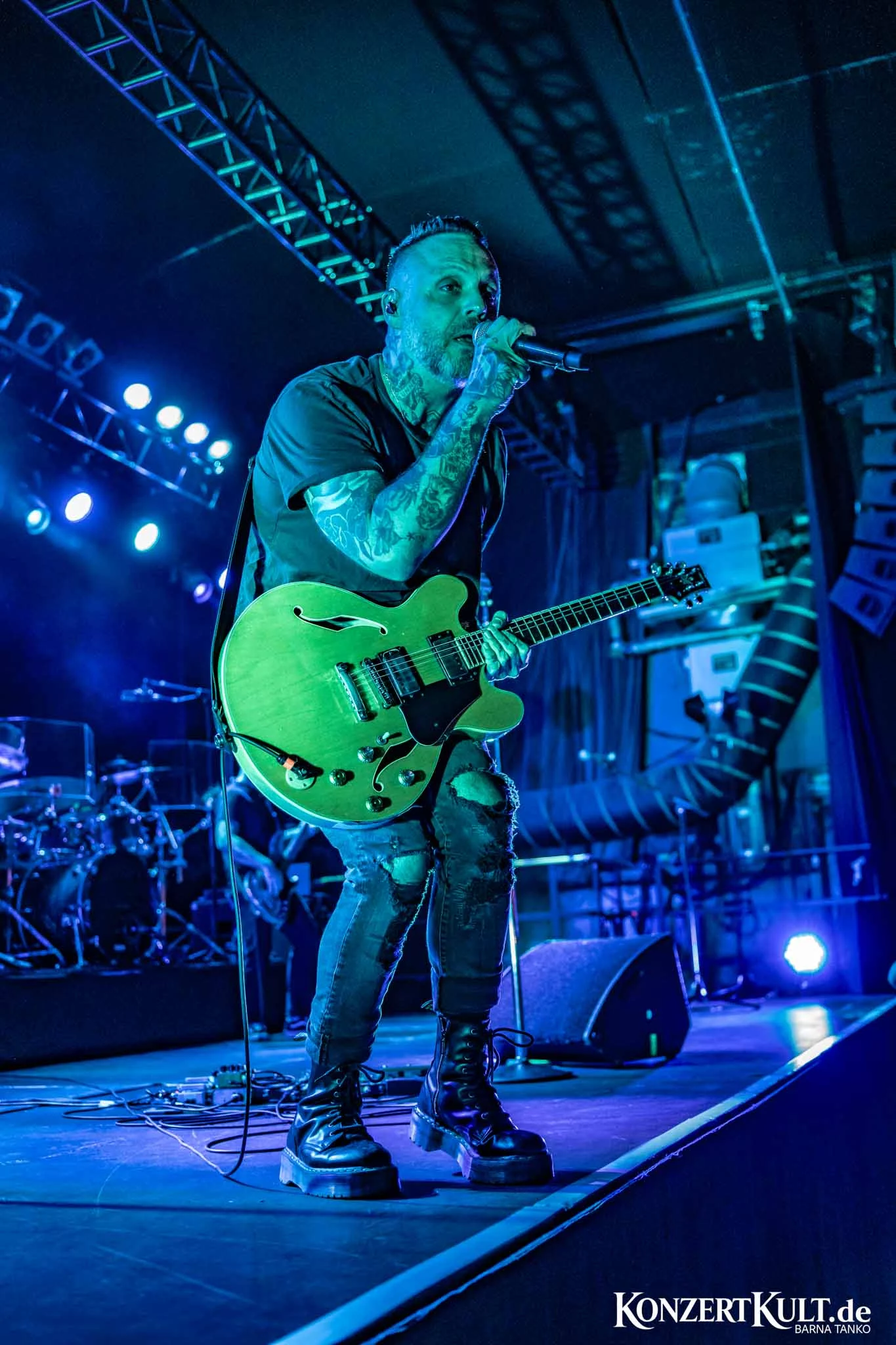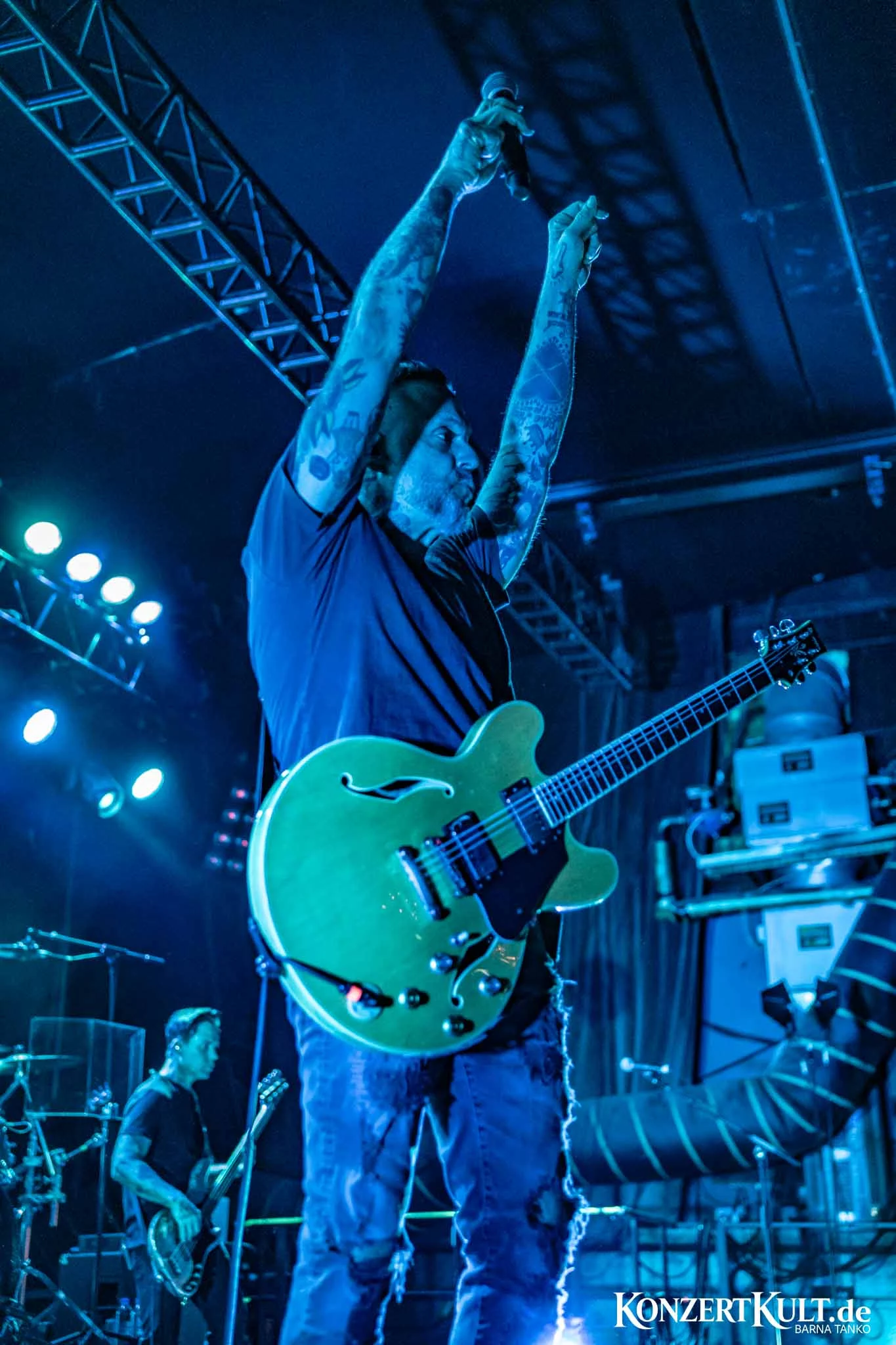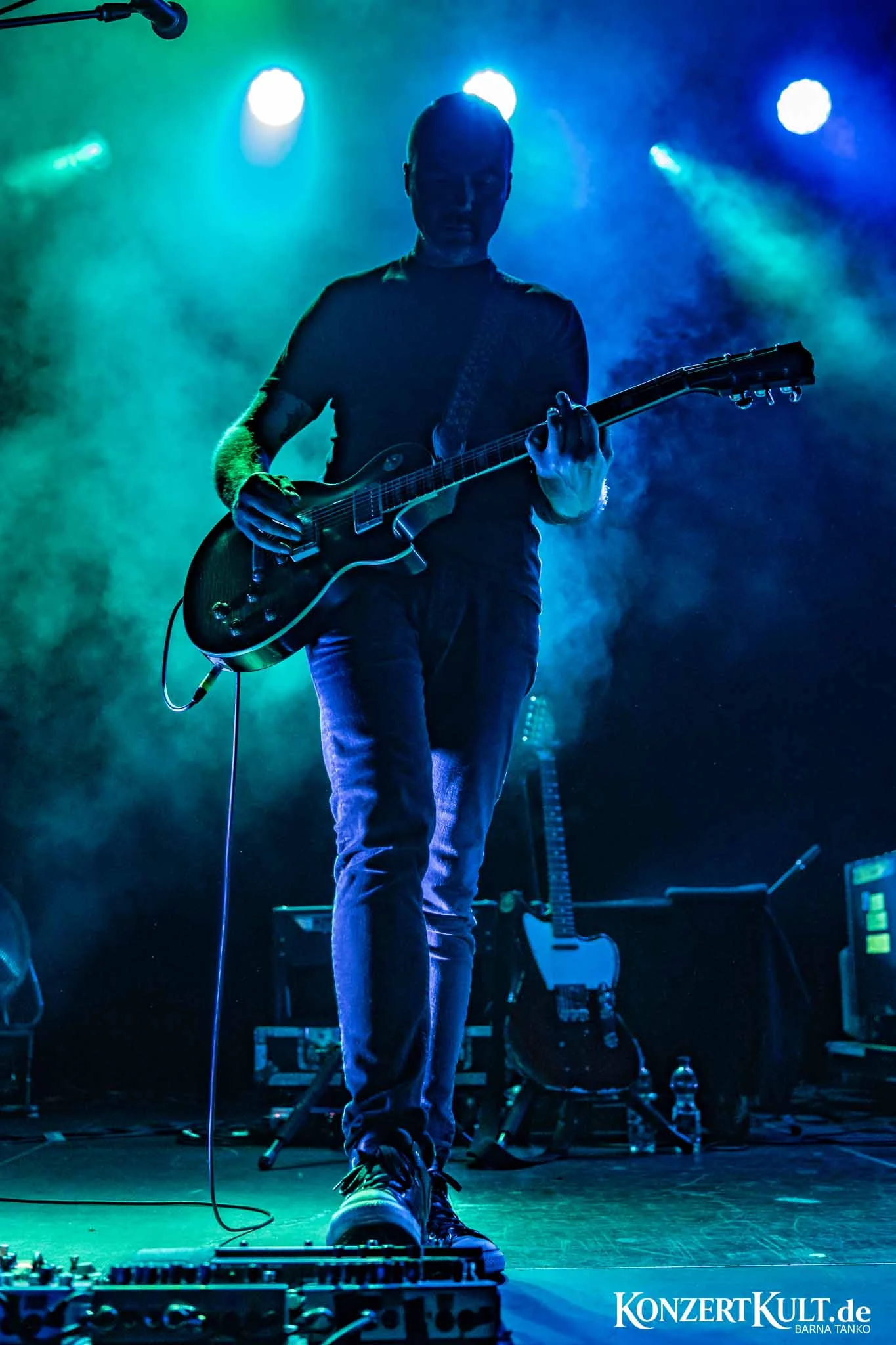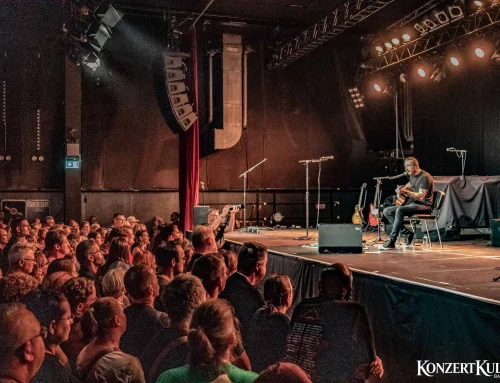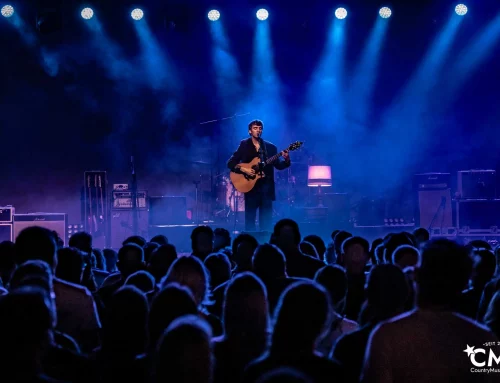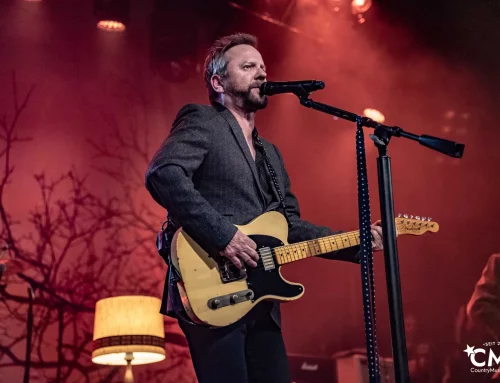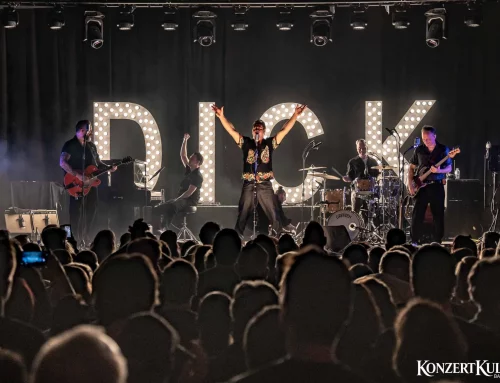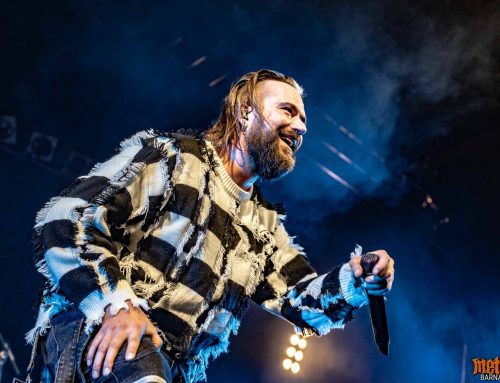
Blue October – Foiled 20th Anniversary World Tour at Live Music Hall, Cologne, Germany.
The first song I remember that I ever heard by Blue October was Into the Ocean. My first thought was, “Did Peter Gabriel release a new song, or is this an older track of his that I somehow missed? Has somebody misplaced a Peter Gabriel CD in a different case?” The voice felt familiar, but there was something different about it that I couldn’t quite place.
Then I found out it was actually a band from Houston, Texas. The Peter Gabriel thing wasn’t a judgment—just an observation. It simply wasn’t the kind of sound I expected from a Texas band. And with not nearly enough Peter Gabriel songs in the world, I was more than happy to add Blue October to my playlist.
It didn’t take long to start hearing the difference. While, in a broader sense, I grouped both into the same listening experience, there was still a clear line between the two.
Whether they were influenced by Peter Gabriel or not, at the end I didn’t care, the sound was great. Down the road turned out that Peter Gabriel is one of the primary musical influences on Blue October and their frontman Justin Furstenfeld, I was not far off with this thing. Foiled went into constant rotation in my CD player, and over the following decade I was always eager to hear what they would do next.
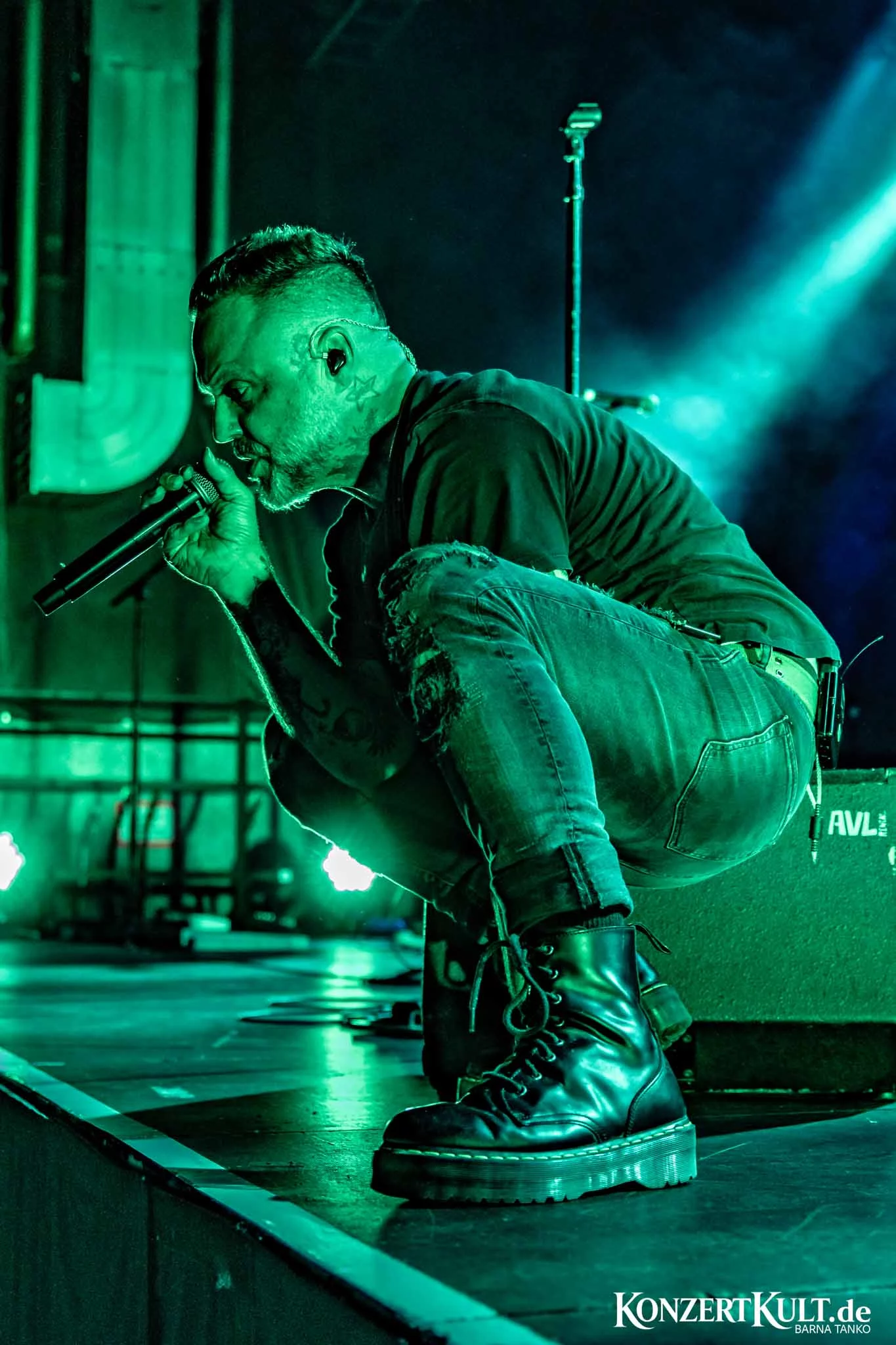
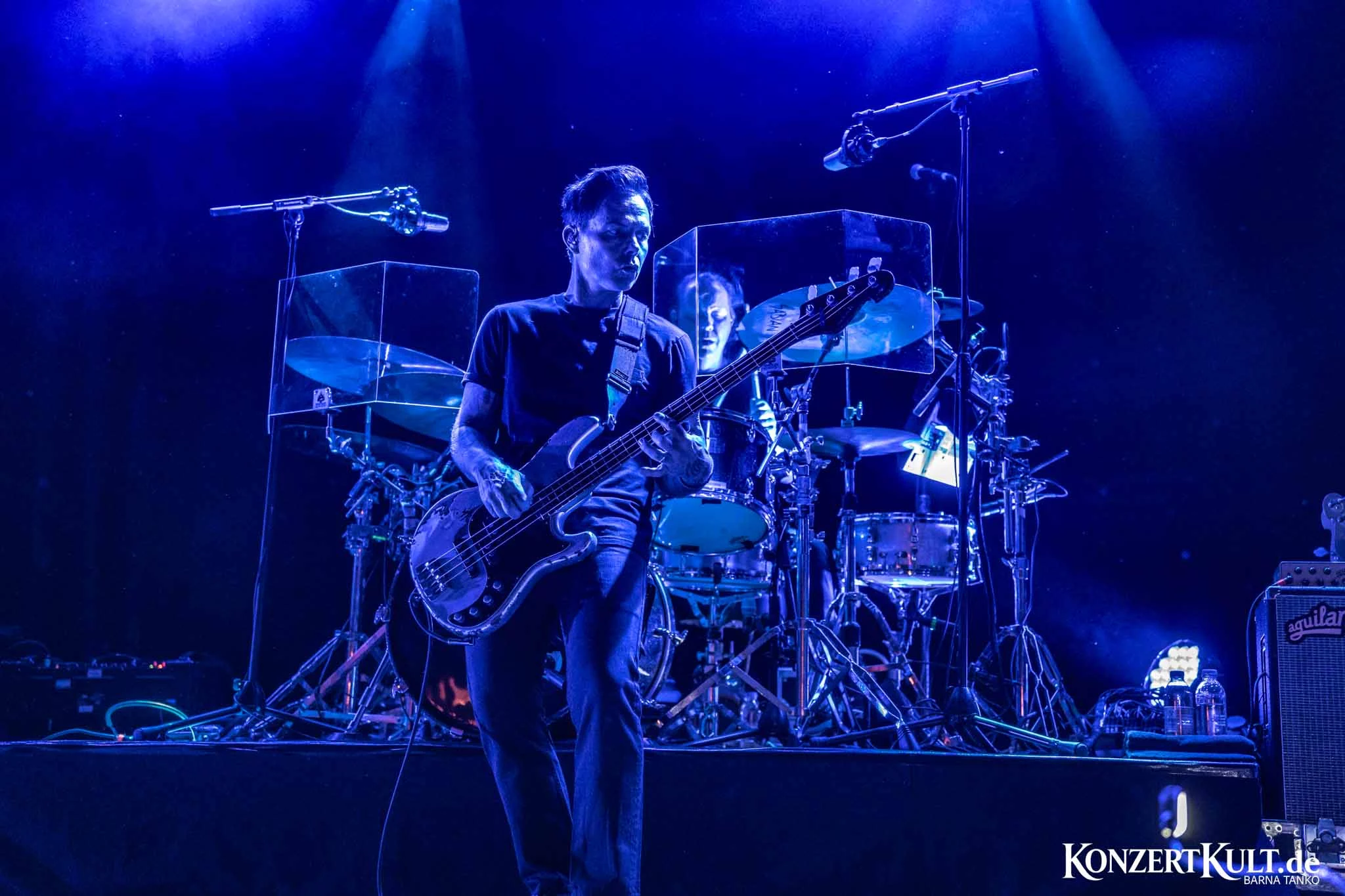
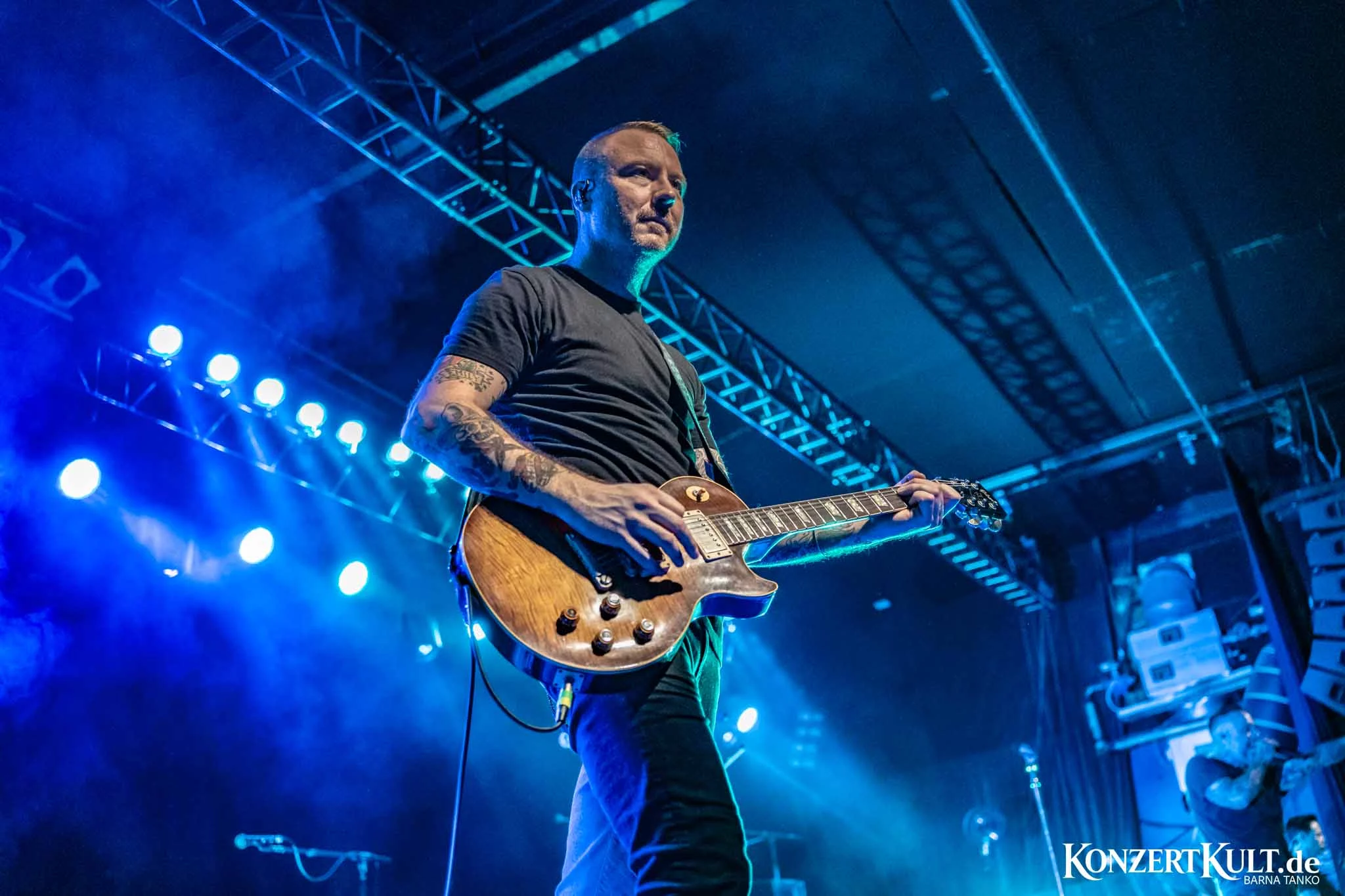
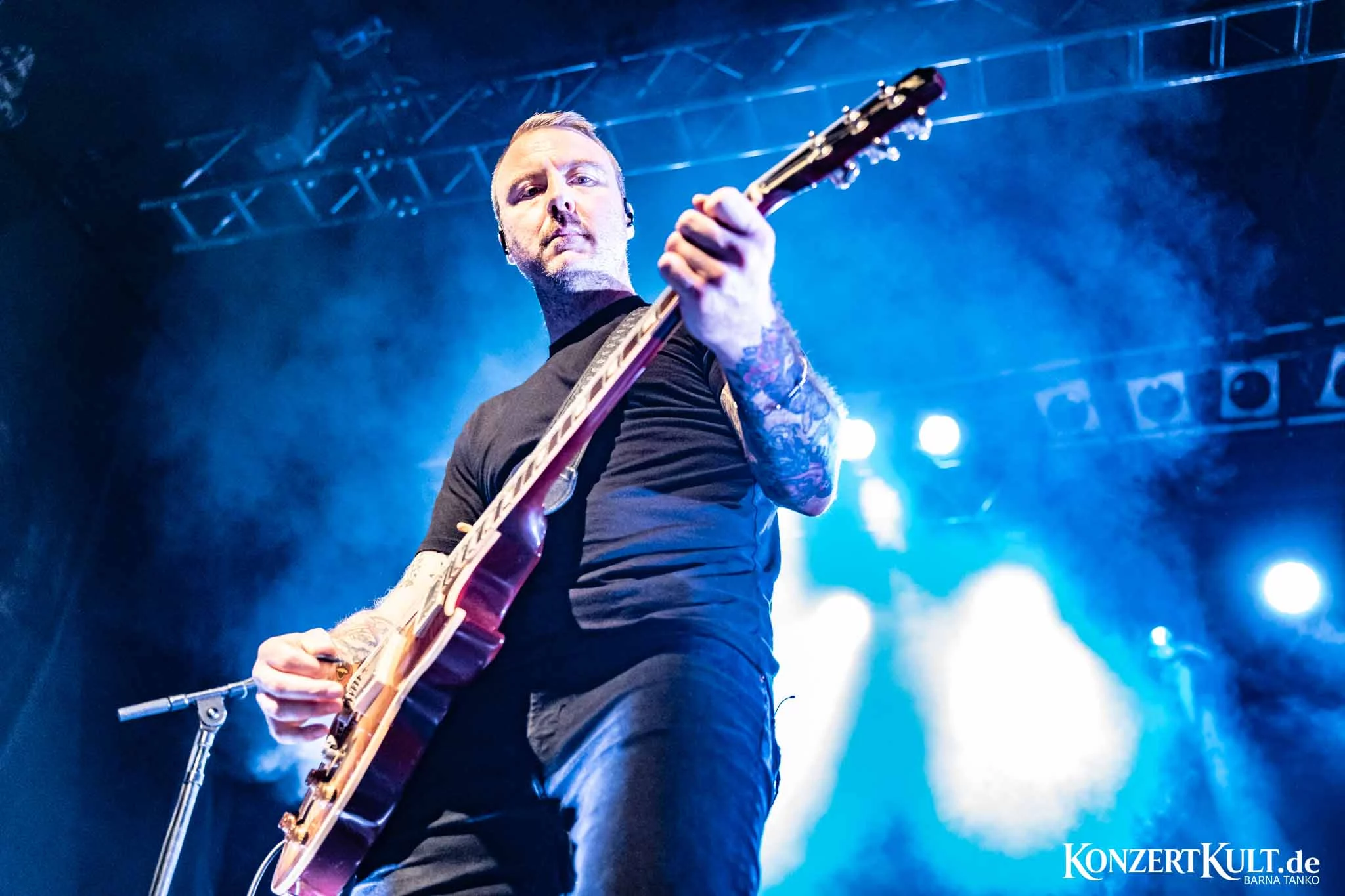
An instrumental violin version of Hate Me streamed through the speakers at Live Music Hall and the audience picked up the refrain and sang along. Moments later, the band walked onto the stage and kicked off the night with You Make Me Smile. It was the Foiled 20th Anniversary World Tour, and the band performed the album from start to finish—all fourteen songs. It rarely happens with bands, Roger Waters did it with The Dark Side OF The Moon.
The fifth song was Hate Me, and the crowd joined in on the refrain, singing at the top of their lungs. For the final lines, the band stopped playing completely, leaving the audience to finish the song on their own. The voices from the crowd filled the venue, creating one of the most memorable moments of the night.
One of those concerts where the connection between the band and the audience was there from the very first moments. At some concerts, it takes time for the atmosphere to build, with plenty of “let me hear you!” prompts from the stage. At others, the sound can get lost in the mix, especially with bands that rely heavily on vocal reverb. With Blue October, however, everything came through clearly and cleanly. The sound was crisp, the performance was tight, and the bond between the band and the crowd felt natural from the start.
With Foiled wrapped in entire length, Blue October dropped a mix of hits from other albums. They recorded 13 albums in 31 years, plenty of material to chose from.
Sway, Say It, Oh My My, Home, Fear, Moving On, Down Here Waiting, I Hope You’re Happy.
Many artists create amazing studio recordings through layering, production techniques, multiple takes, and careful mixing, but then struggle to translate that atmosphere onto a stage. Others have the opposite effect—the songs gain energy, emotion, or spontaneity live that the recordings only hint at.
For Blue October, the emotional authenticity of their performance is a major strength. Justin Furstenfeld and the band delivered songs with an intensity and vulnerability that can feel very direct in a concert setting. When a band’s identity is tied closely to emotional expression rather than studio perfection, live shows feel like the “full version” of the music.
Sometimes the defining moment of a concert isn’t a specific song at all. A band’s live quality can come from the overall atmosphere they create—the way the songs flow together, how the musicians interact, the energy in the room, the sound mix, the connection with the audience, and whether the performance feels genuine rather than rehearsed. When all of those elements line up, you walk away remembering the experience rather than individual highlights.
My reaction to Blue October sounds less like “they played my favourite song well” and more like “they were exactly the band I hoped they were.” There wasn’t a disconnect between the recordings and the people on stage. The whole performance had the right feel, the concert worked as a complete package.
For frequent concertgoers, like me, these are often the shows that stay near the top of the list years later—not necessarily the loudest, biggest, or most technically impressive ones, but the ones where the band’s identity came through clearly from start to finish.