Bröselmaschine Delivers a Memorable Evening at Die Kantine
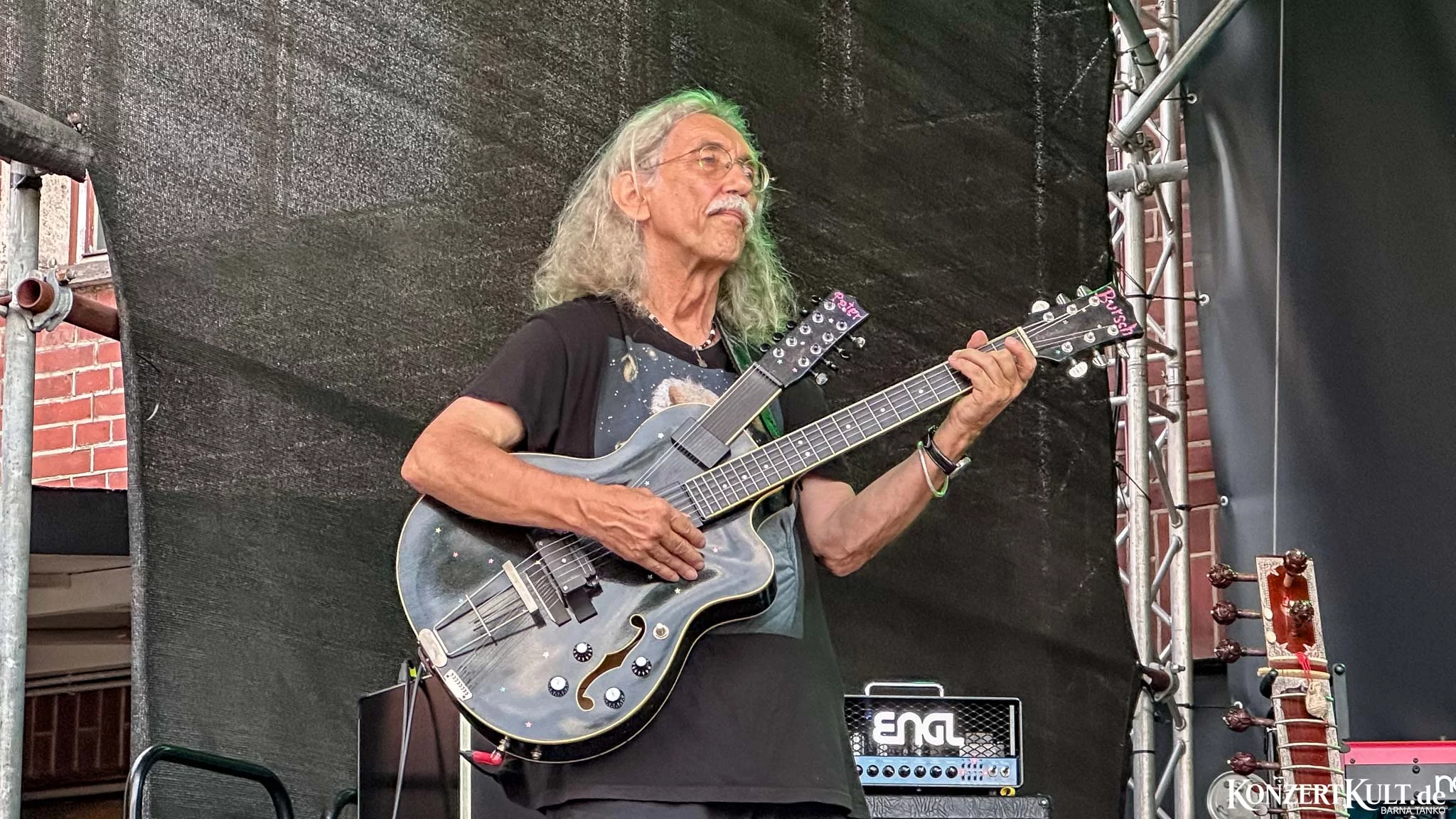
Bröselmaschine is one of the oldest and most influential German Krautrock and folk-rock bands. Formed in Duisburg in 1968 by Peter Bursch (often called Germany’s “guitar teacher of the nation”) and Willi Kissmer, they are true pioneers of the German rock scene.
Name Origin: The name refers to a homemade cannabis-grinding device (“bröseln” means to crumble) and the rattling sound of an old motorcycle. The band members lived together in a commune in Duisburg at the time.
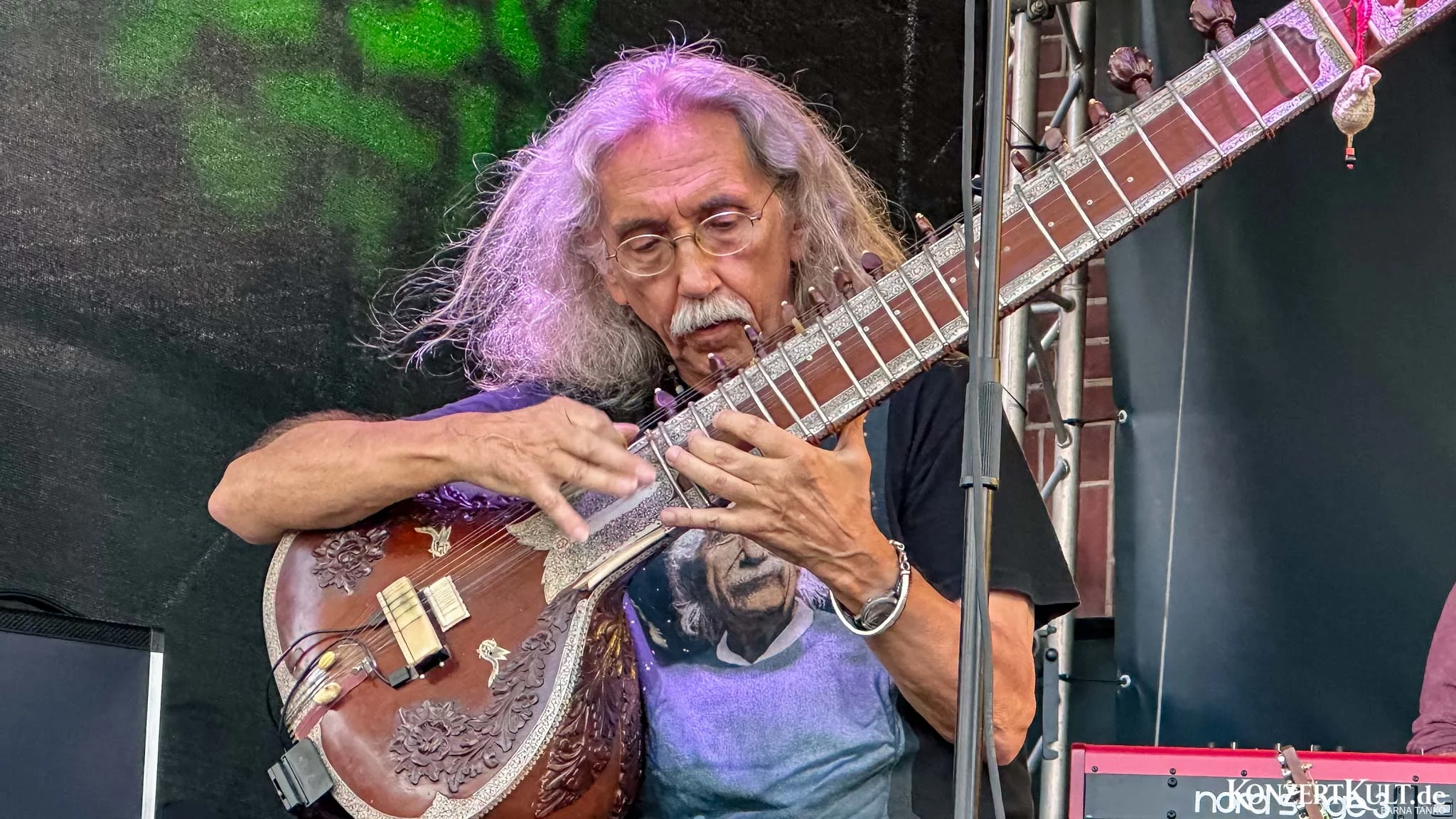
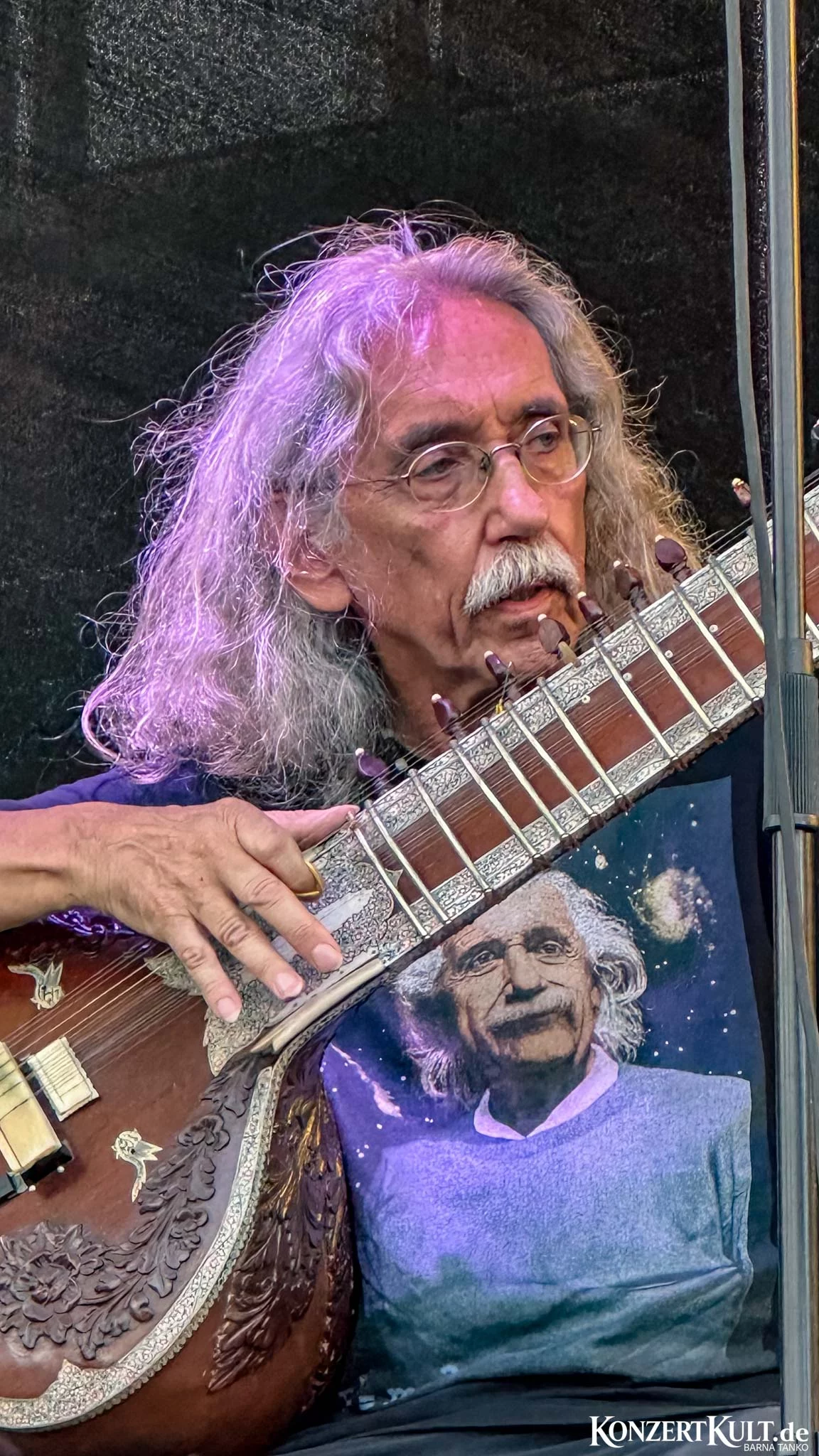
Musical Style: The band blends progressive rock with heavy folk, jazz, and psychedelic influences. A signature element of their sound is Peter Bursch’s use of the sitar.
International Reach: Throughout their 50+ year history, the band has toured globally and shared stages with legendary acts like Pink Floyd, King Crimson, and Jethro Tull.
Comeback & Present Day: After a long hiatus, they made a highly acclaimed comeback in 2005 for the famous WDR Rockpalast TV show. They proved they were still a force with their studio albums Indian Camel (2017) and Elegy(2020), and they continue to perform live.
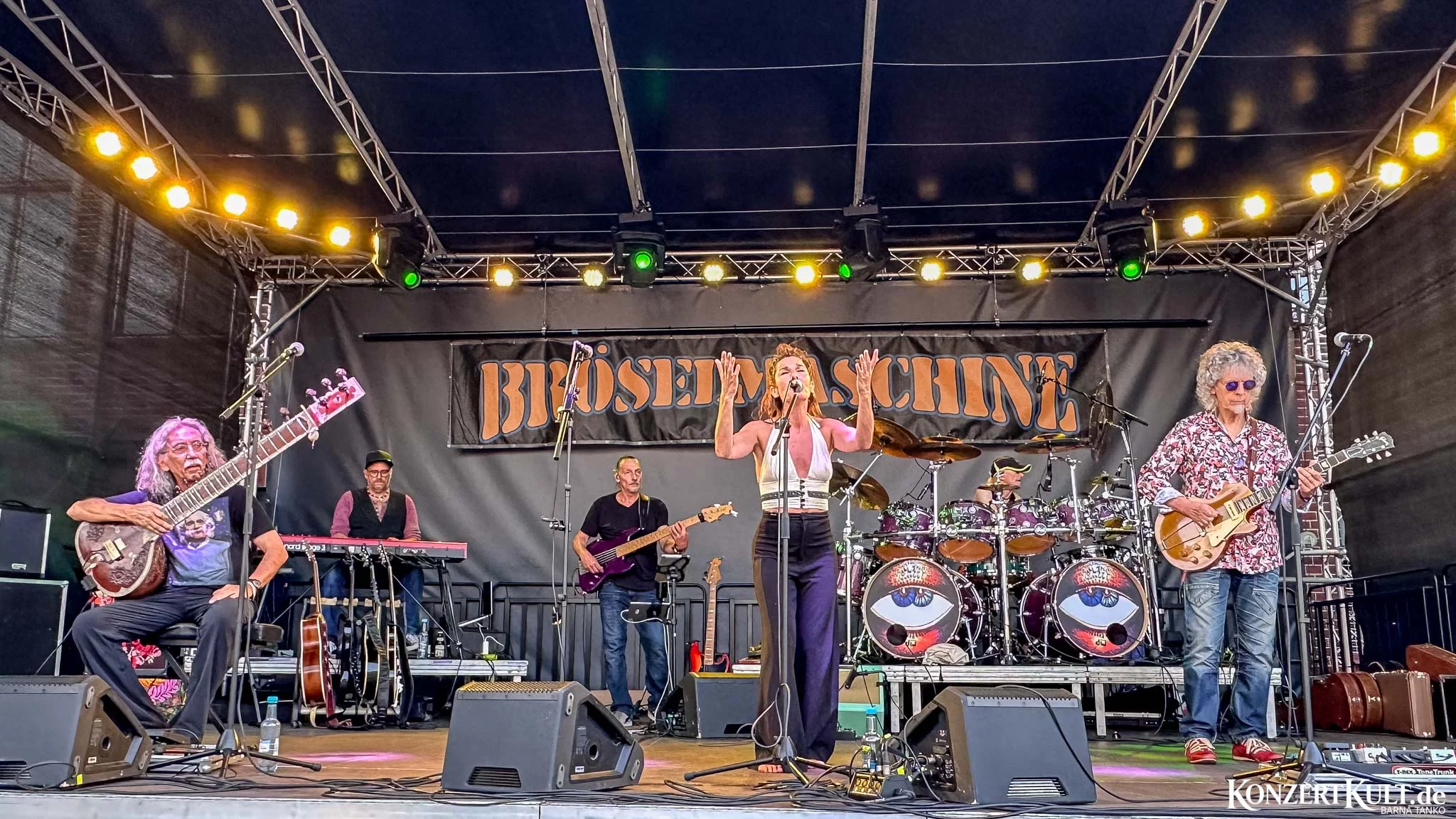
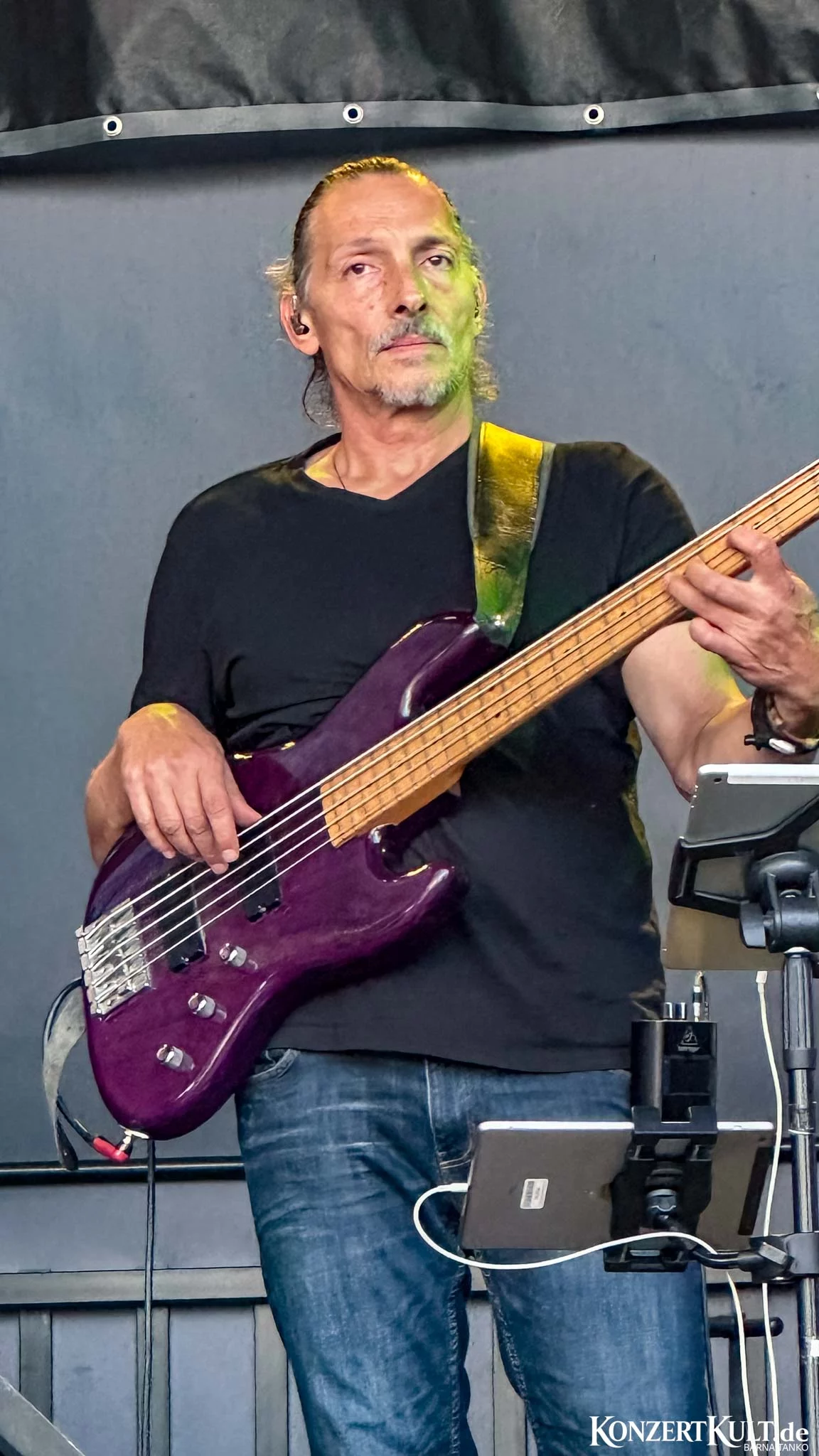
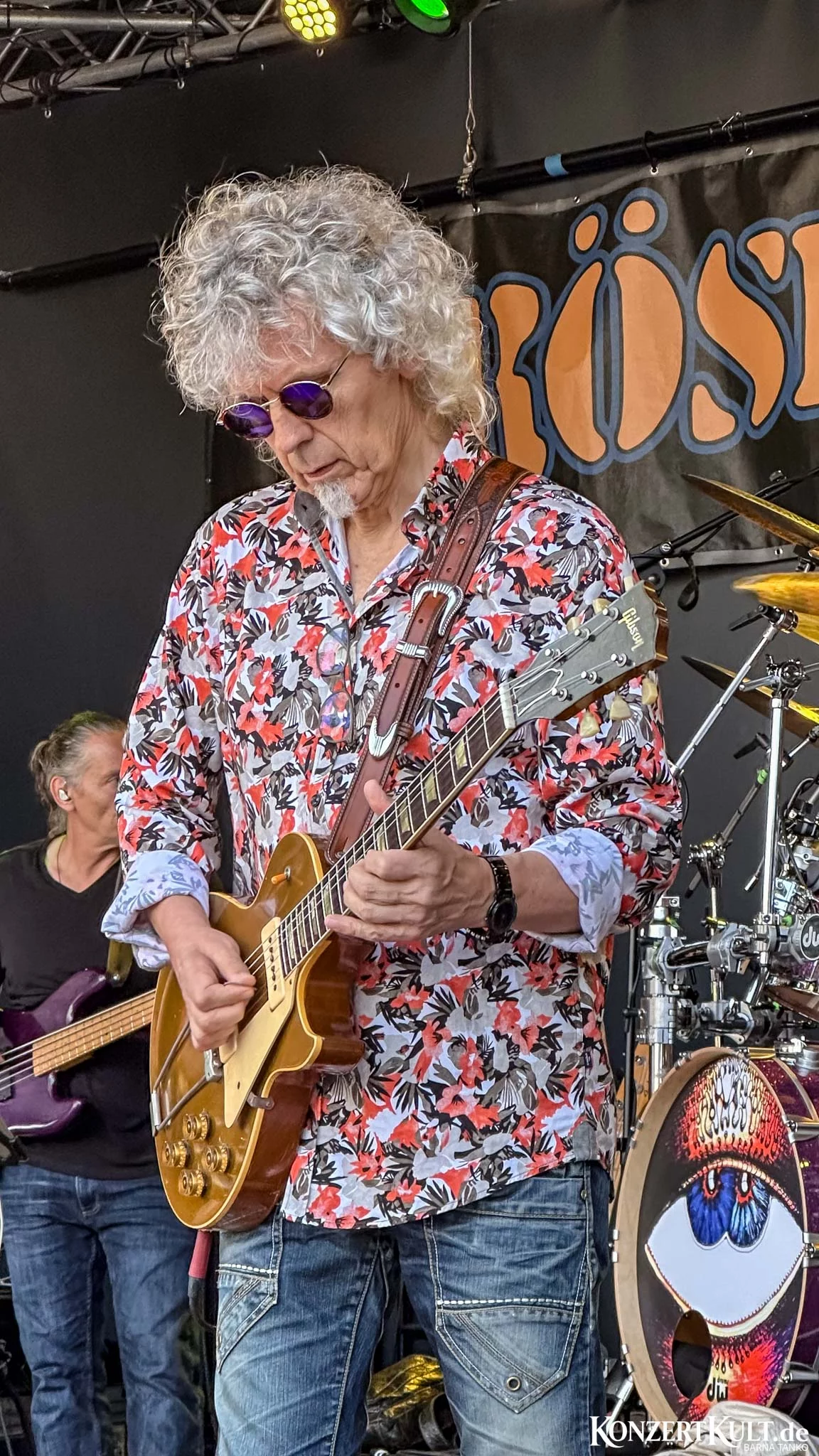
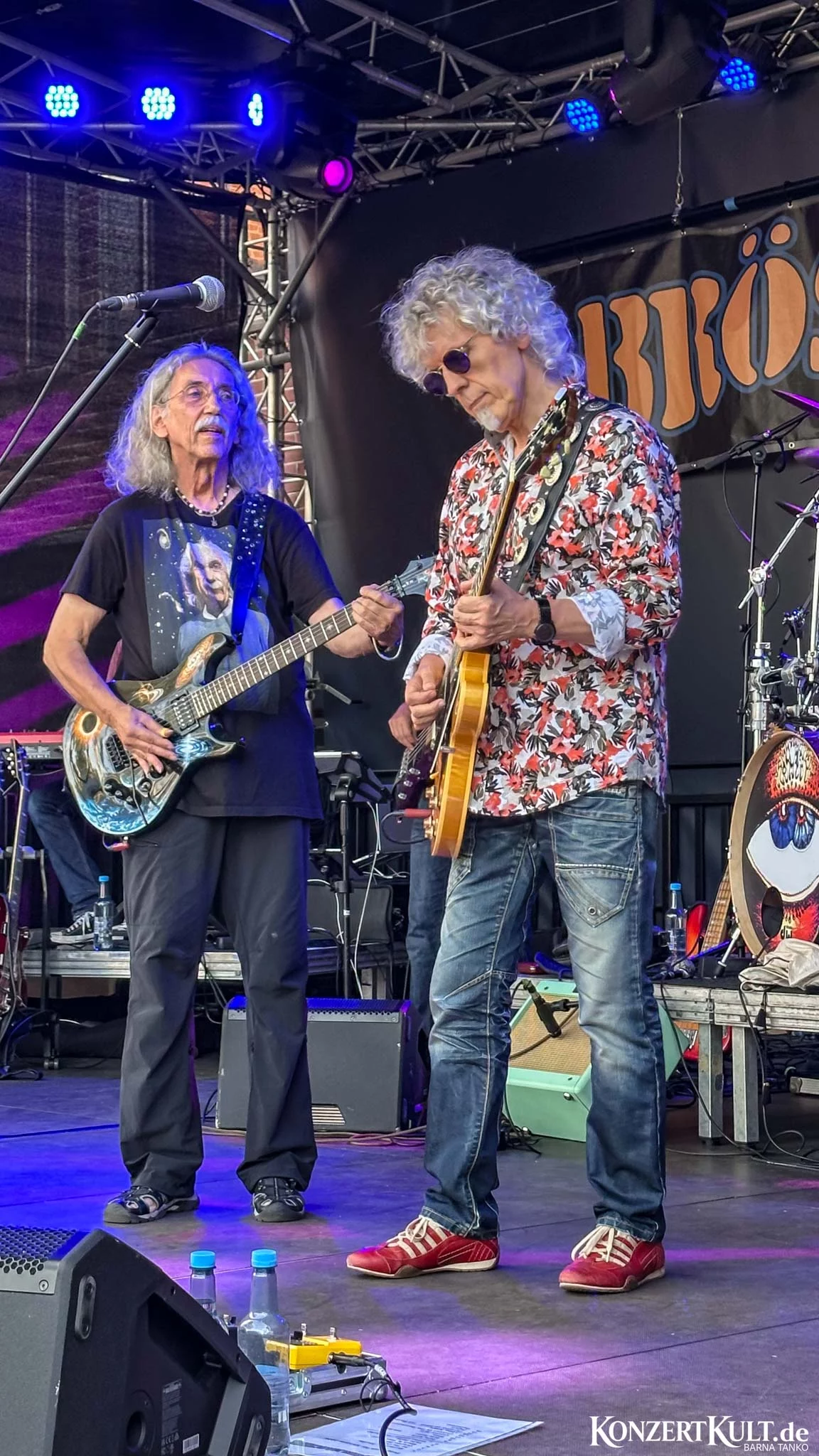
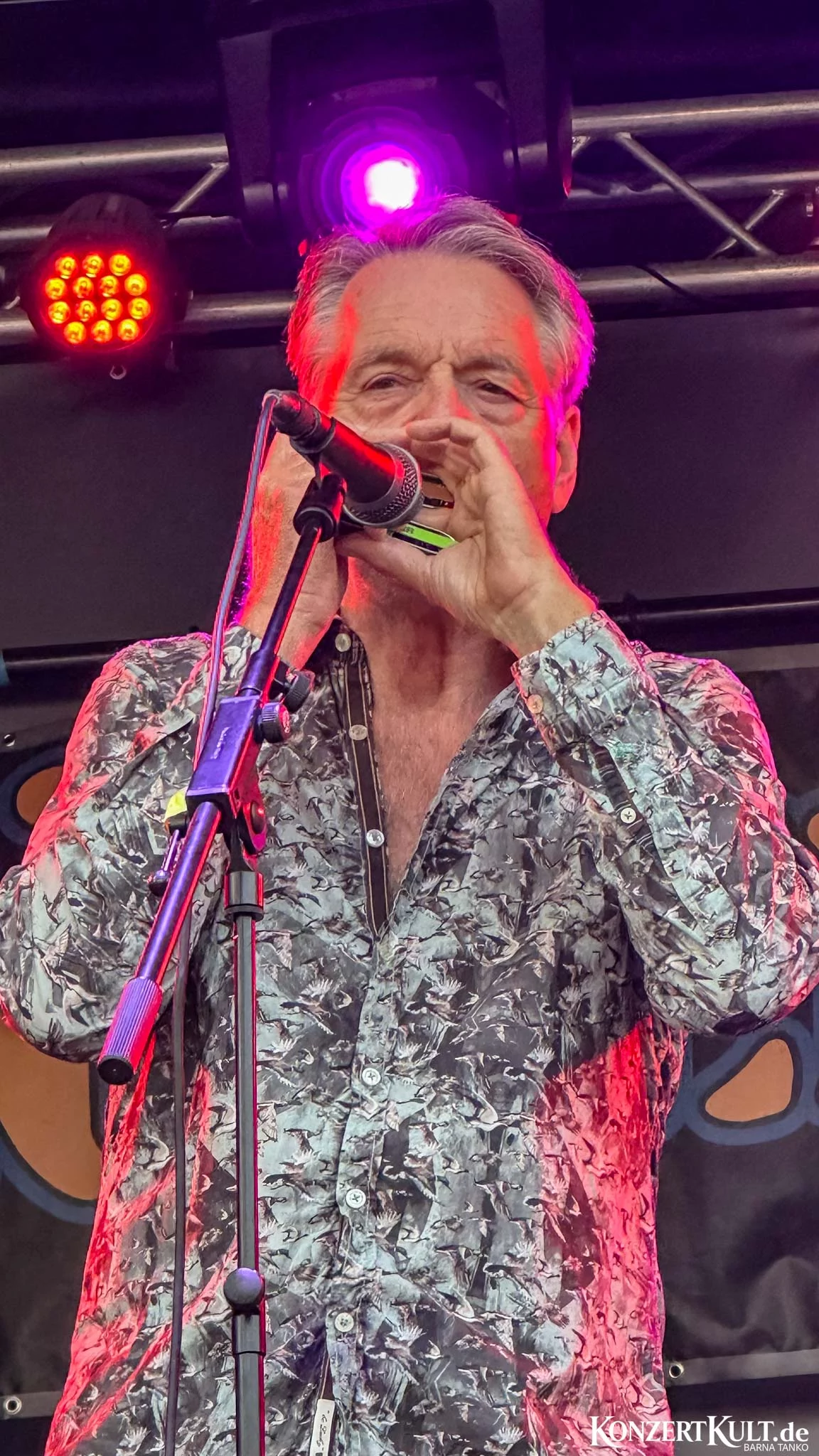
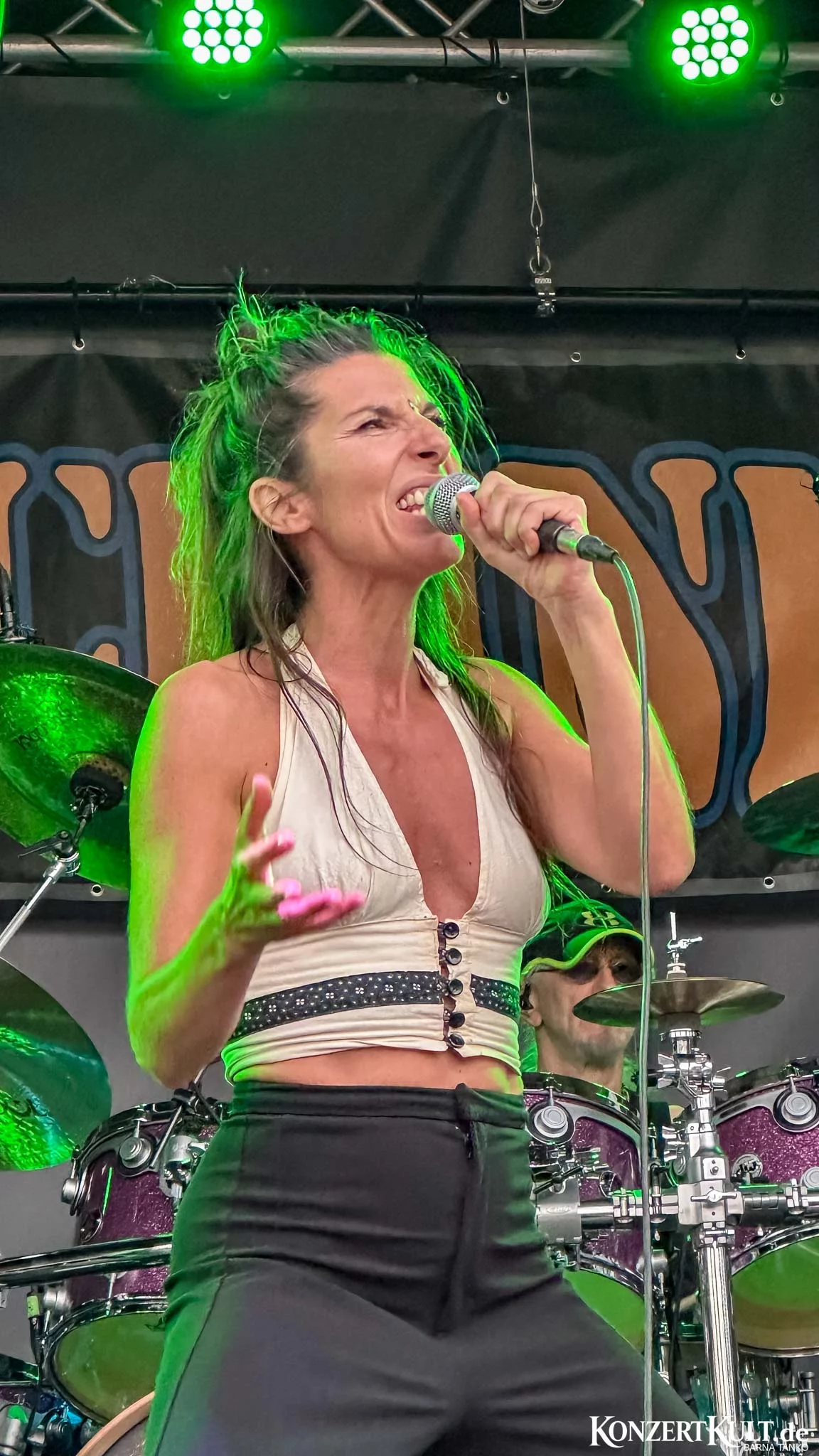
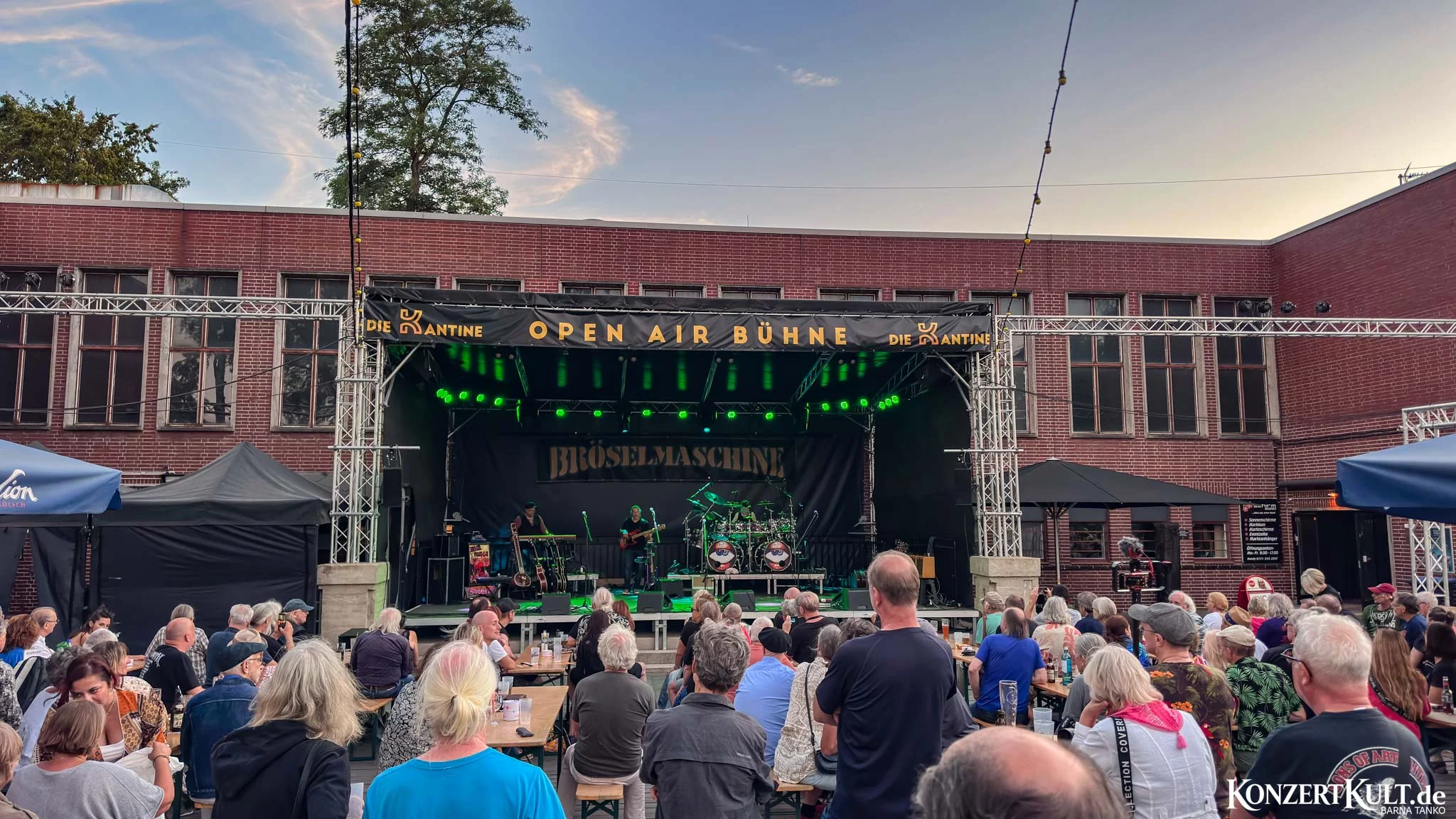
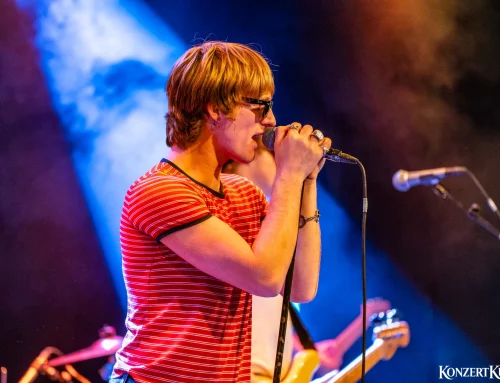
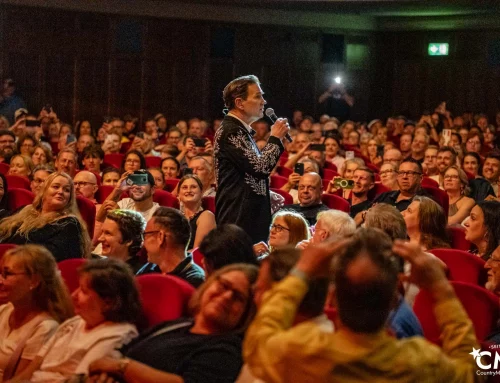
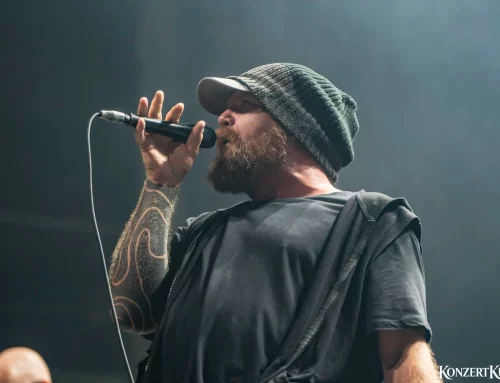
Bröselmaschine performed on the outdoor stage at Die Kantine in front of an audience of approximately 300 to 400 people. Having never heard the band before, this was a personal discovery for me—and a very pleasant one at that.
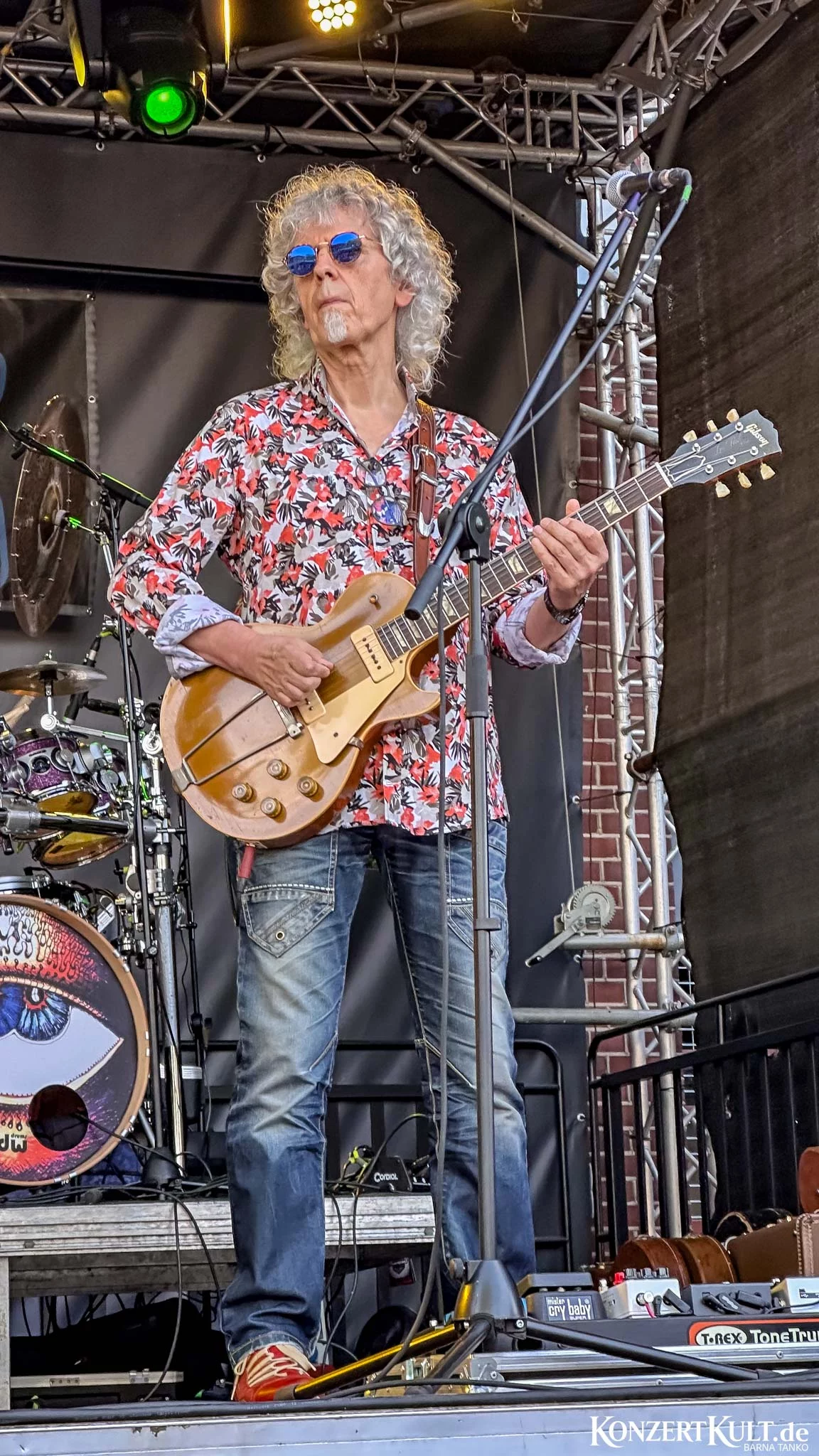
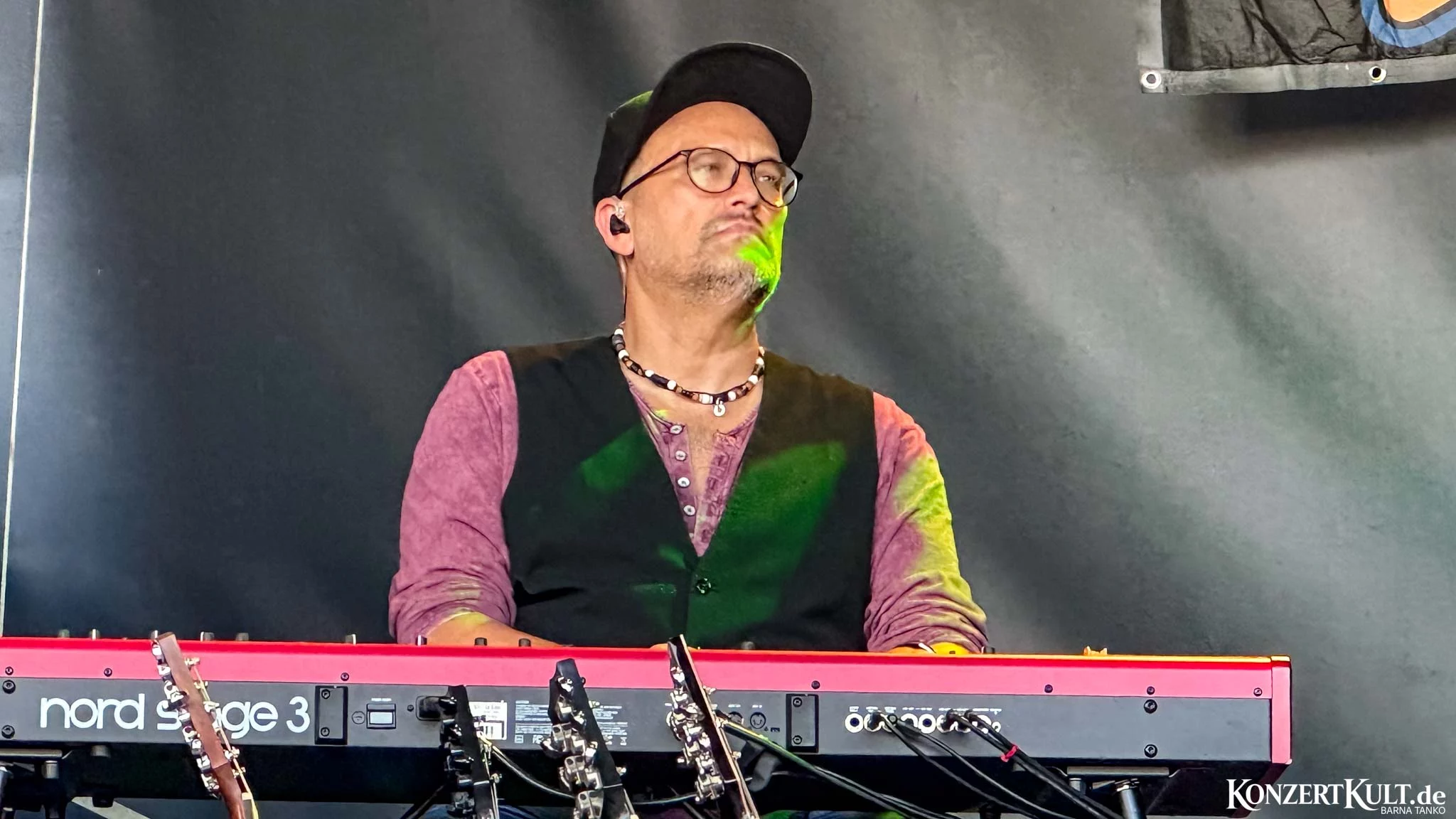
From the first notes, it became obvious that the musicians on stage were highly experienced performers. Every member of the band delivered an outstanding performance, showcasing both technical skill and musical chemistry. The excellent sound mix only enhanced the experience, allowing every instrument to be heard clearly throughout the set.
The concert was free to attend, and at the end of the evening a hat was passed around the audience for voluntary contributions, a fittingly old-school touch that matched the atmosphere of the event.
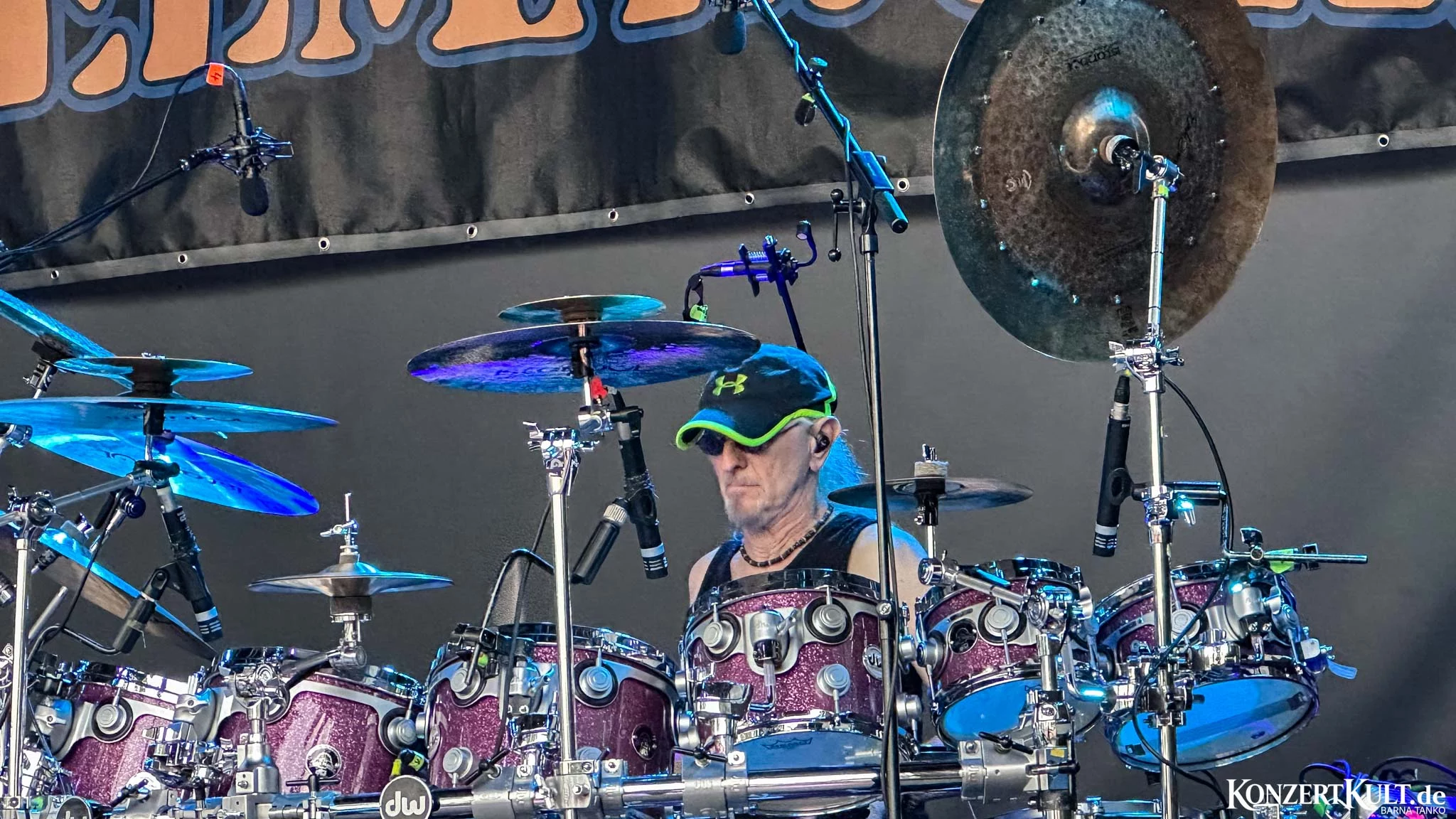
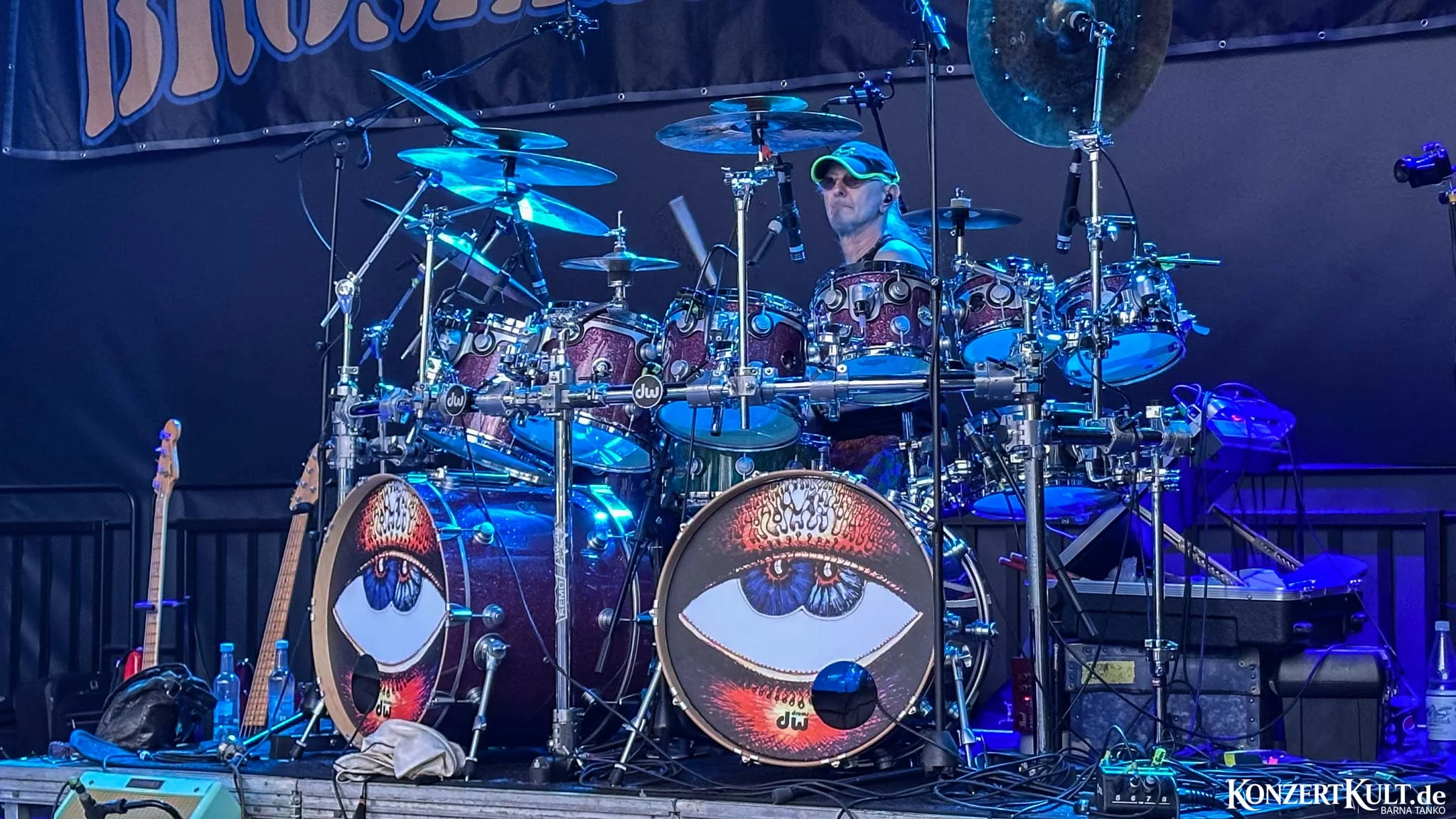
The show began around 7:45 p.m., and by 9:20 p.m. the band announced what was supposed to be their final song. However, “final” turned out to be a relative term. The closing piece stretched to nearly thirty minutes and evolved into an extended showcase for the entire band. One by one, each musician stepped into the spotlight with an impressive solo performance before leaving the stage. The drummer remained last, delivering a drum solo that lasted roughly ten minutes and brought the audience’s enthusiasm to another level.
Just when it seemed the evening had reached its conclusion, Bröselmaschine returned to the stage for an encore, providing a fitting end to a concert that combined outstanding musicianship, spontaneity, and a genuine connection with the audience.
For someone discovering Bröselmaschine for the first time, it was an excellent introduction and a reminder that some of the most rewarding live music experiences can come from bands you know nothing about before the first note is played.