Eric Clapton Lanxess Arena 2026
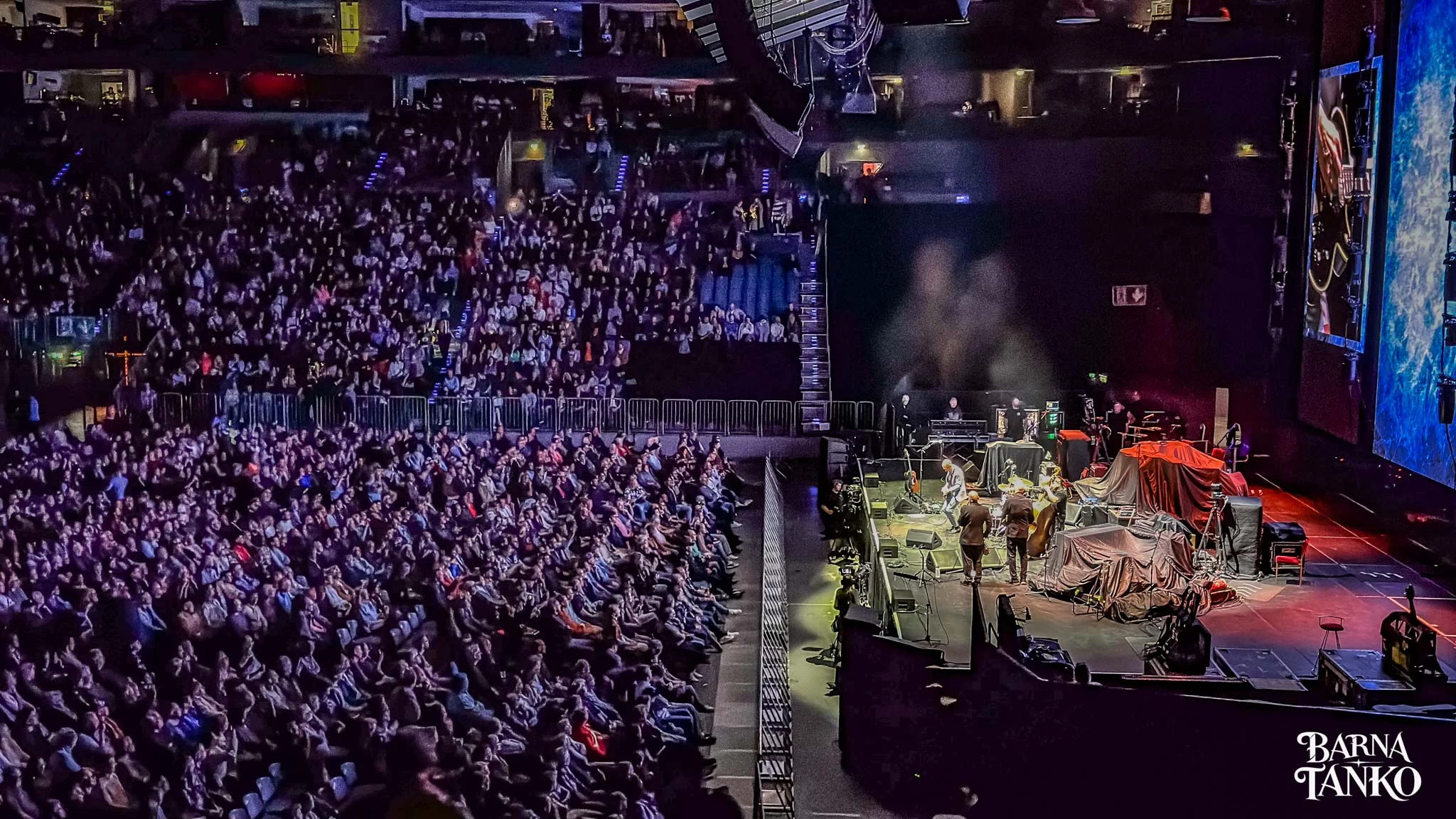
Professional photographers were not allowed on this tour, no photo passes issued. There were no mentions about a total ban of personal photos as in the case of Dylan concerts or Francis Rossi 2026 Tour (Rossi is our next review, yes we were there!). Some discretely taken phone snaps are attached to this article, I was one of the thousands of people doing that, even the Lanxess Arena posted a phone reel shot during the event. I mean is one of THE EVENTS of the year! It’s Clapton!
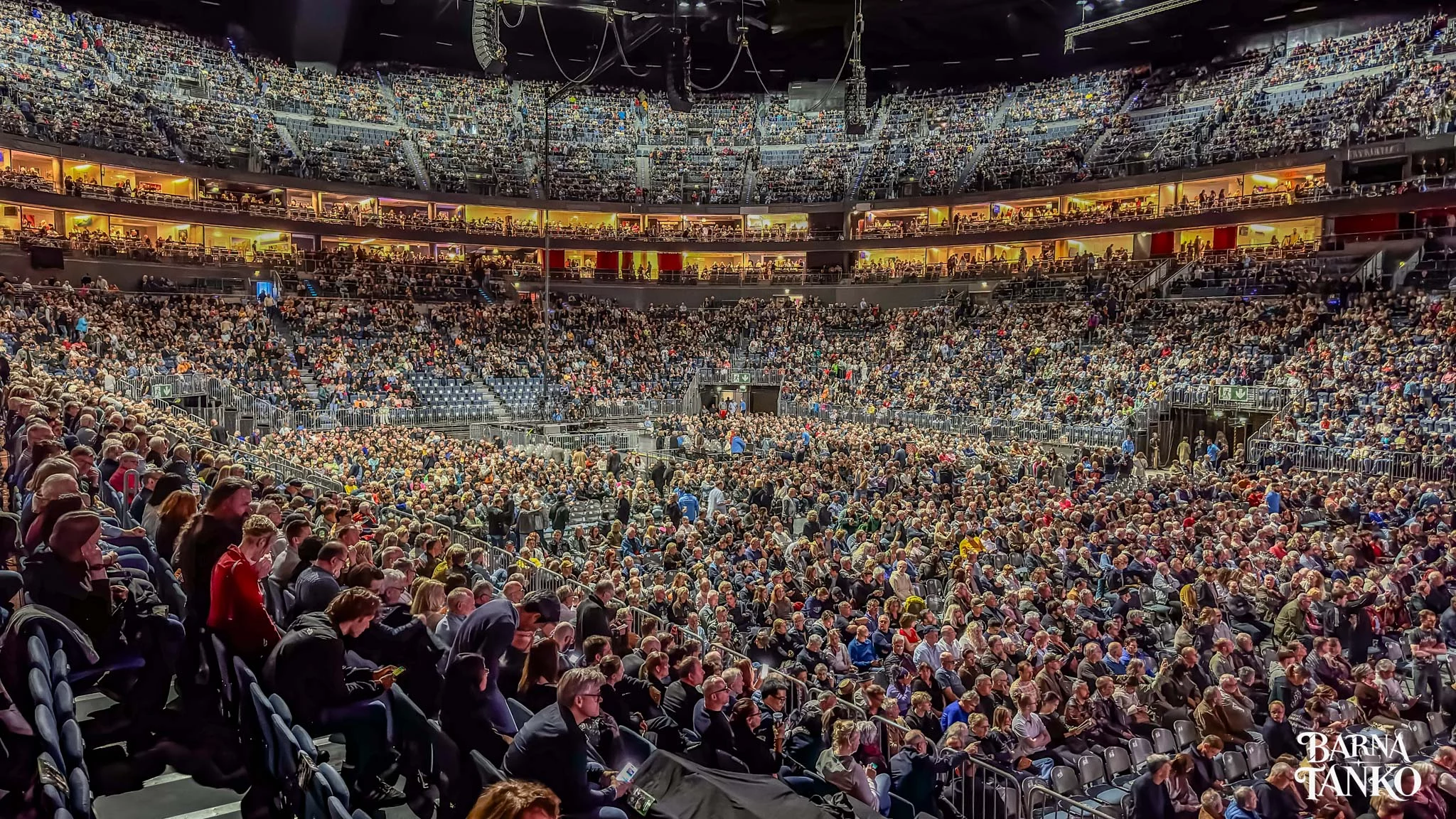
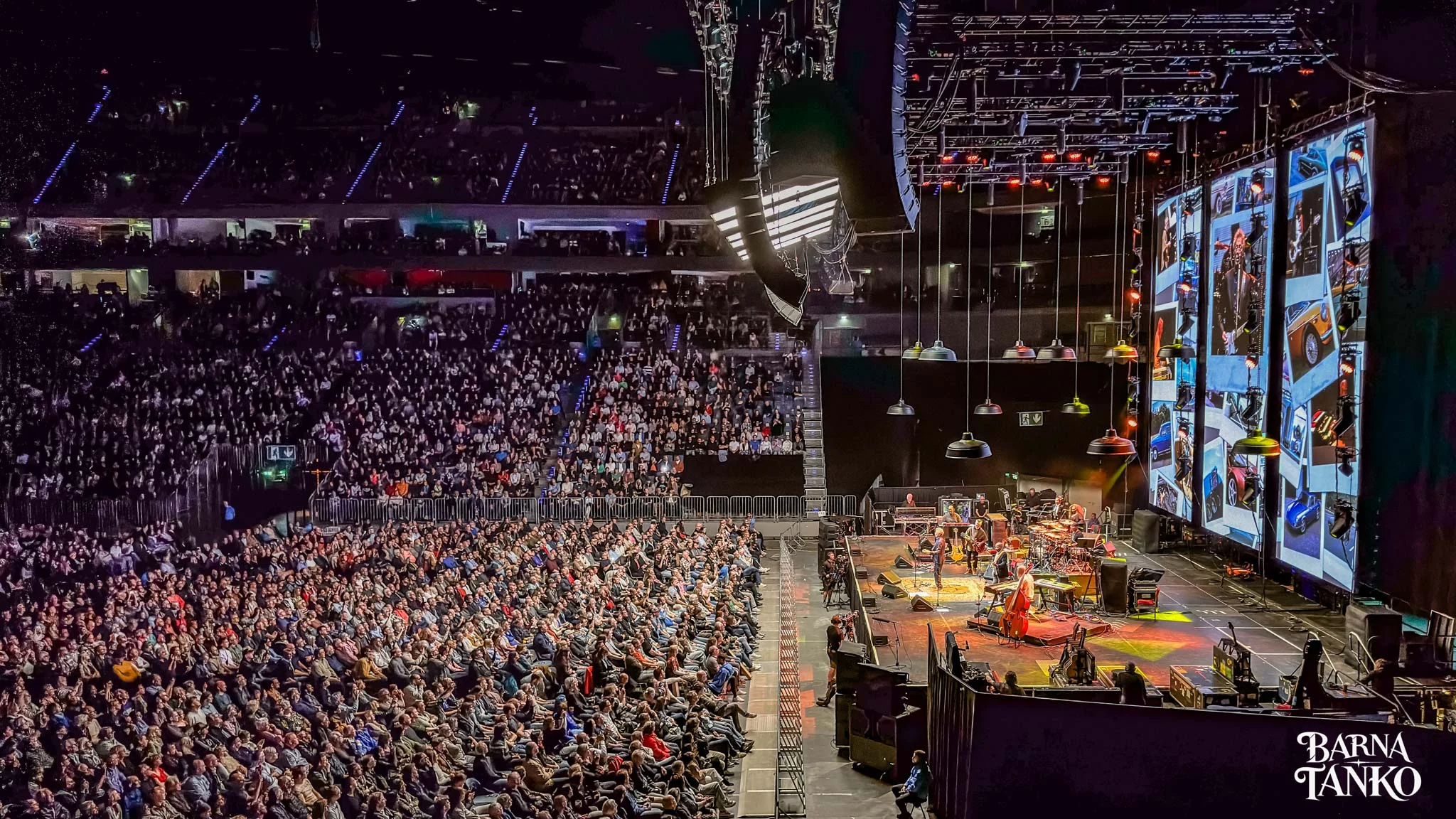
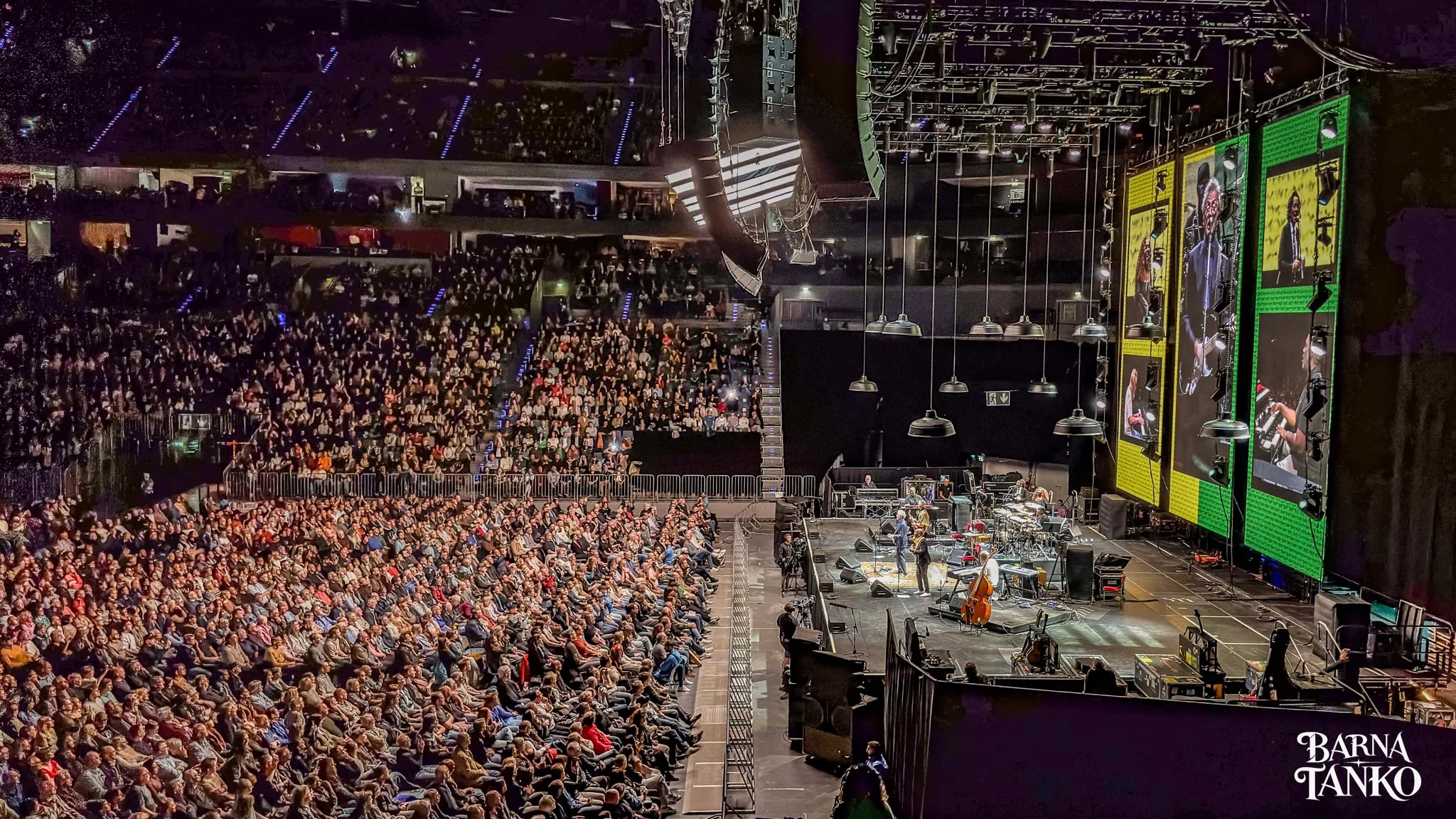
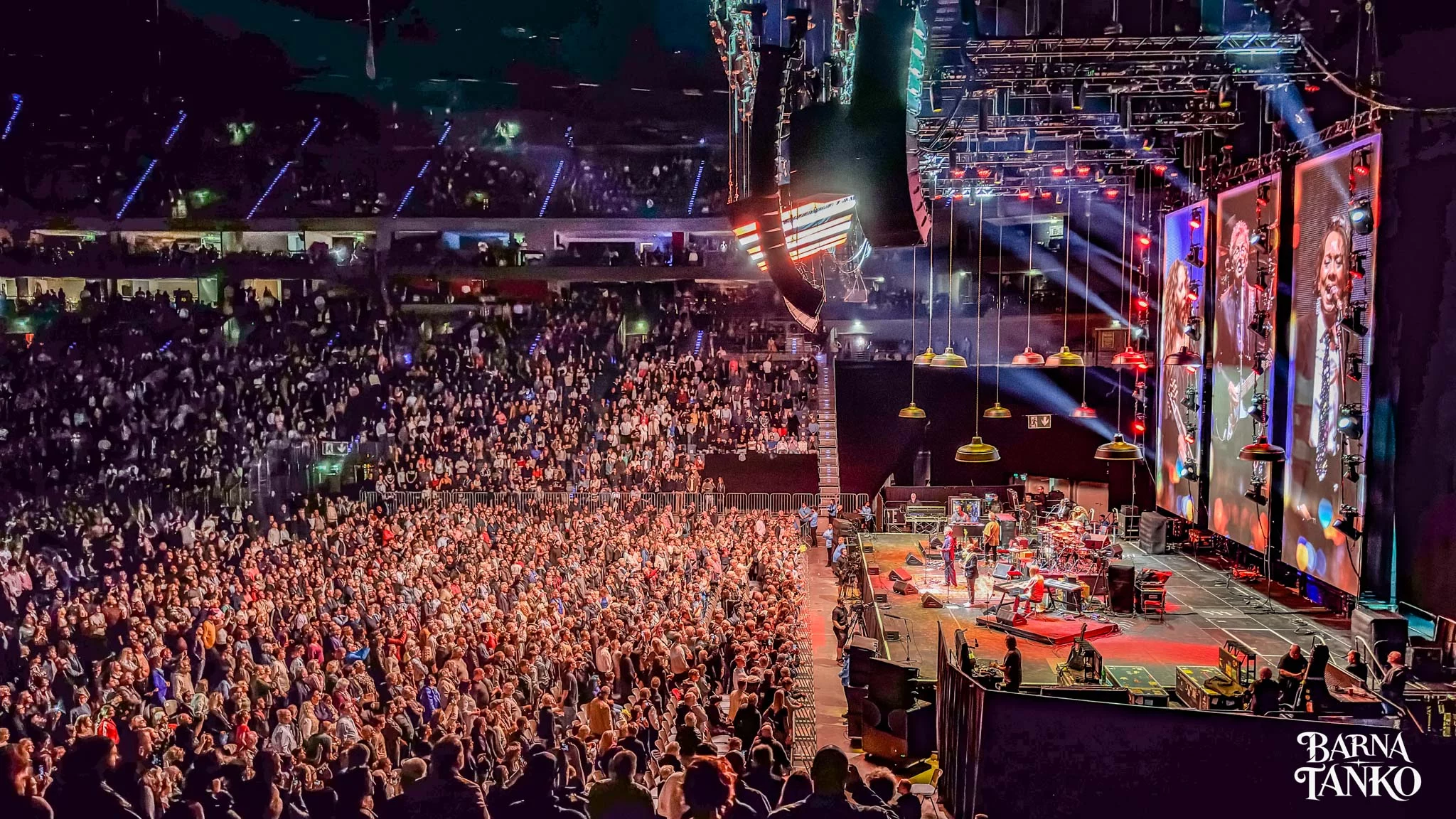
Clapton added three stops in Germany to his 2026 Tour, all in May: Mannheim(13), Cologne (15) and München(17). The Lanxess Arena holds the top spot as the largest indoor arena in the country. As of 2019, Lanxess Arena was the highest-attended arena worldwide, with 699,924 tickets sold. With End-Stage if the floor level is fully seated, the capacity is around 15.500 seats. Some papers mention higher number of attendance for this concert, which is not realistic, plus there were unsold seats through out the arena. Luckily we live about 30-40 minutes travel time by city train from this venue, depending which train we take, saving the parking nerves for such big event.
This review is from an alternate, I would say more personal and comparative angle of view. For my official review please follow the link to CoutryMusicNews.de. As a frequent contributor covering country and marginal-genre concerts in the Cologne–Bonn area, I received press accreditation for this event through this online music news outlet — a notable distinction, as access was primarily granted to major newspaper publications.
So here I am, 19 years later, at a Eric Clapton concert. I had the pleasure of seeing him in Calgary during his last visit to the Scotiabank Saddledome. Since then, he has not returned to Calgary.
The LANXESS Arena is roughly the same size and layout as the Saddledome, even the club-level cubicles are similar. I had my seat right next to the stage on Level 2 (which would correspond to Level 1 in the Saddledome), roughly 15–20 meters from the main action. Ticket prices were ranging from 114 to 264 Euros. Clapton has never sold cheap tickets. Nineteen years ago, I paid 150 CAD for same level tickets, which would equal around 226 CAD in 2026 considering inflation. Factoring in Germany’s 19% sales tax versus Alberta’s 5%, the net ticket prices are almost on par.
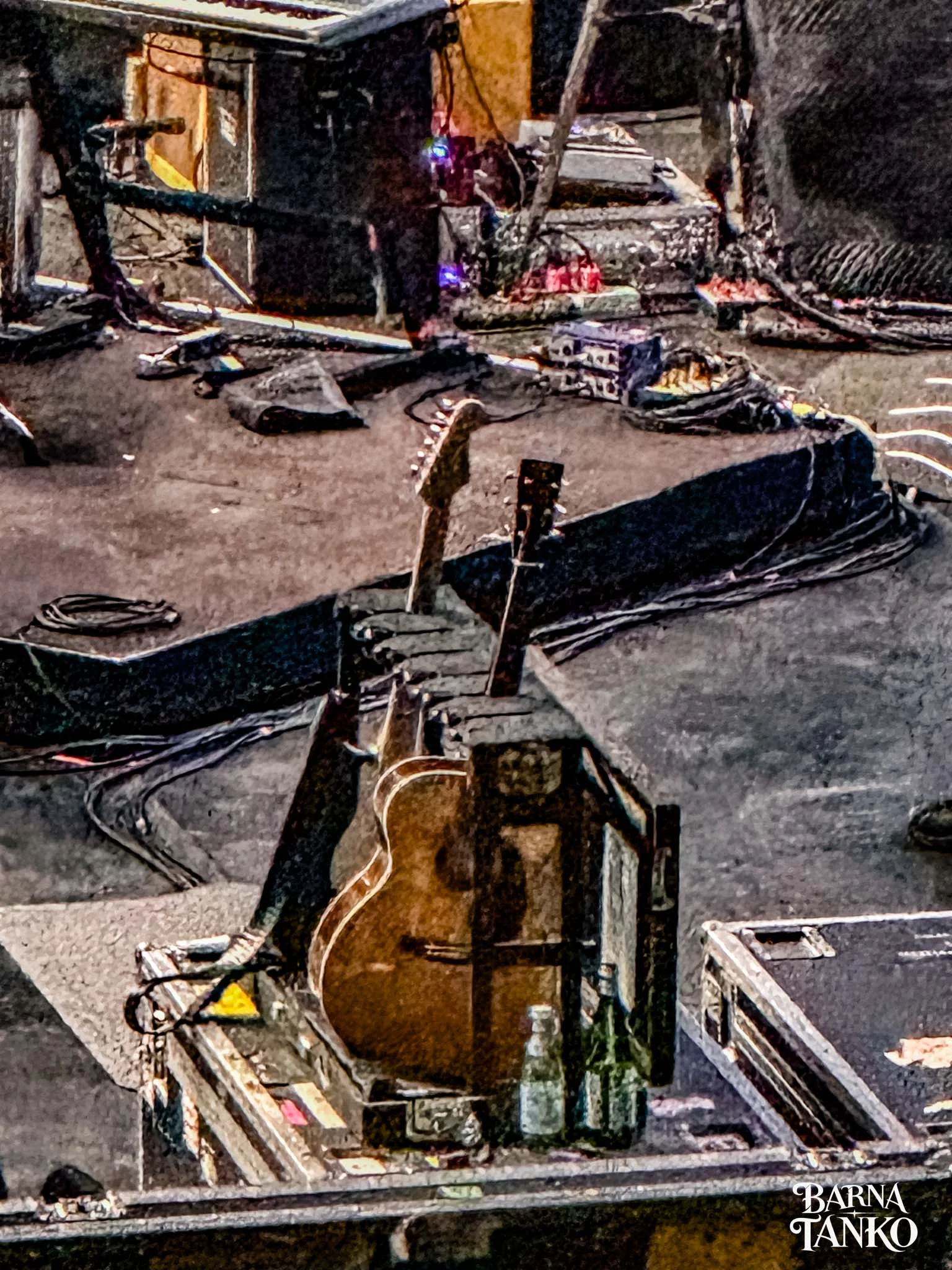
The show was announced to start at 19:45, and Andy Fairweather Low walked on stage at 19:44 with his band consisting of a drummer, upright bass player and two saxophonists. A short introduction — “Eric gave me 30 minutes, there will not be much more talking. Take it away Henry” — directed at the drummer, and the band launched into the night. The next half hour took the audience through a mixed set of instrumental pieces and vocal performances rooted in the music of the fifties and sixties. Andy has been a sideman for both Eric Clapton and Roger Waters for many years, and now he got the opportunity to open for Clapton. A great gesture of appreciation from the main act after all those years. They pulled off a pretty entertaining set, with Andy looking somewhat hyper to be in this position while switching guitar for each song. As funny as it gets, the acoustic guitar was duck taped on the top.
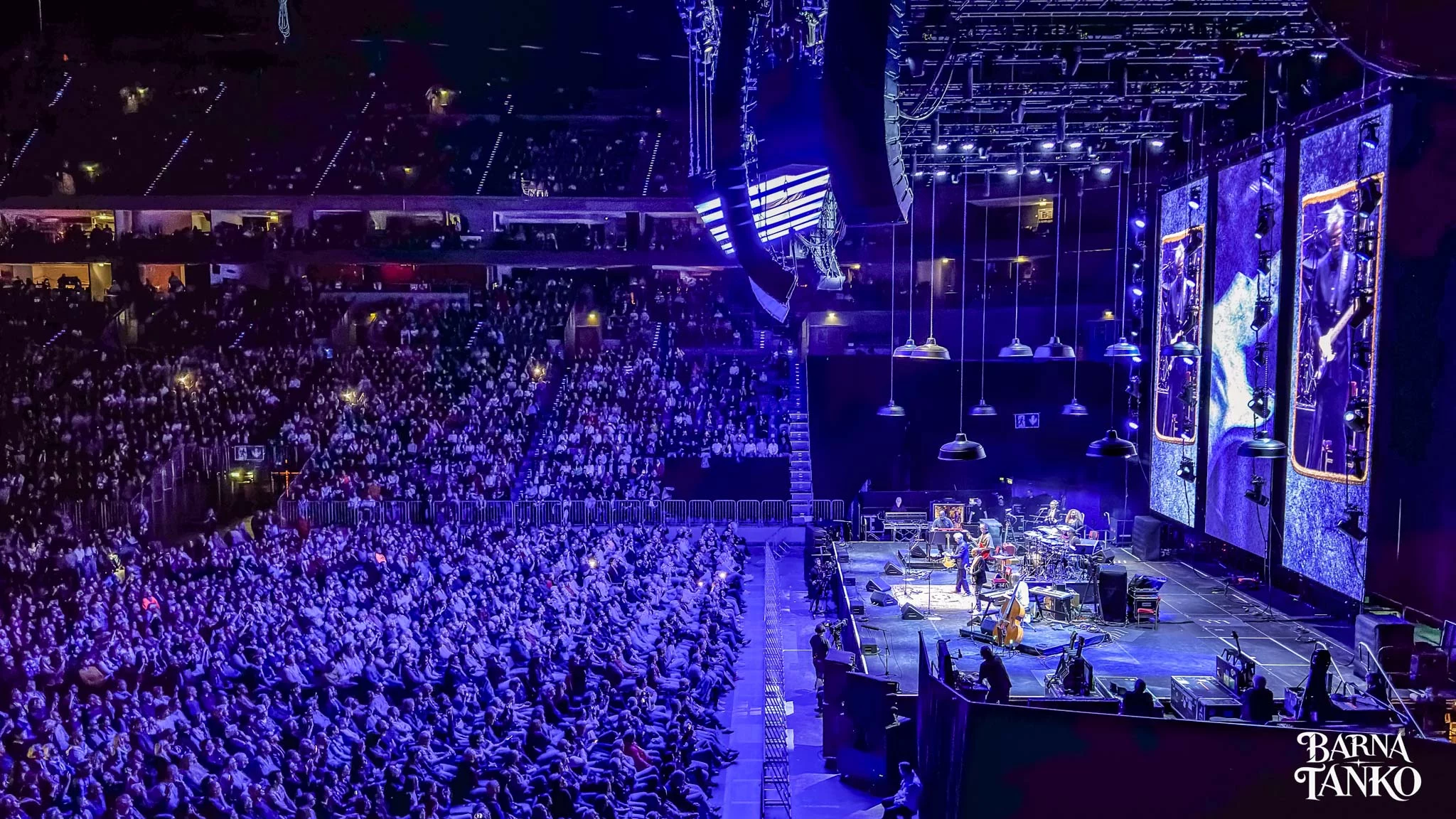
After a 30-minute reset, the ceiling lights lowered and Clapton quietly took the stage with the band. Without much talk, he launched straight into “Badge.”
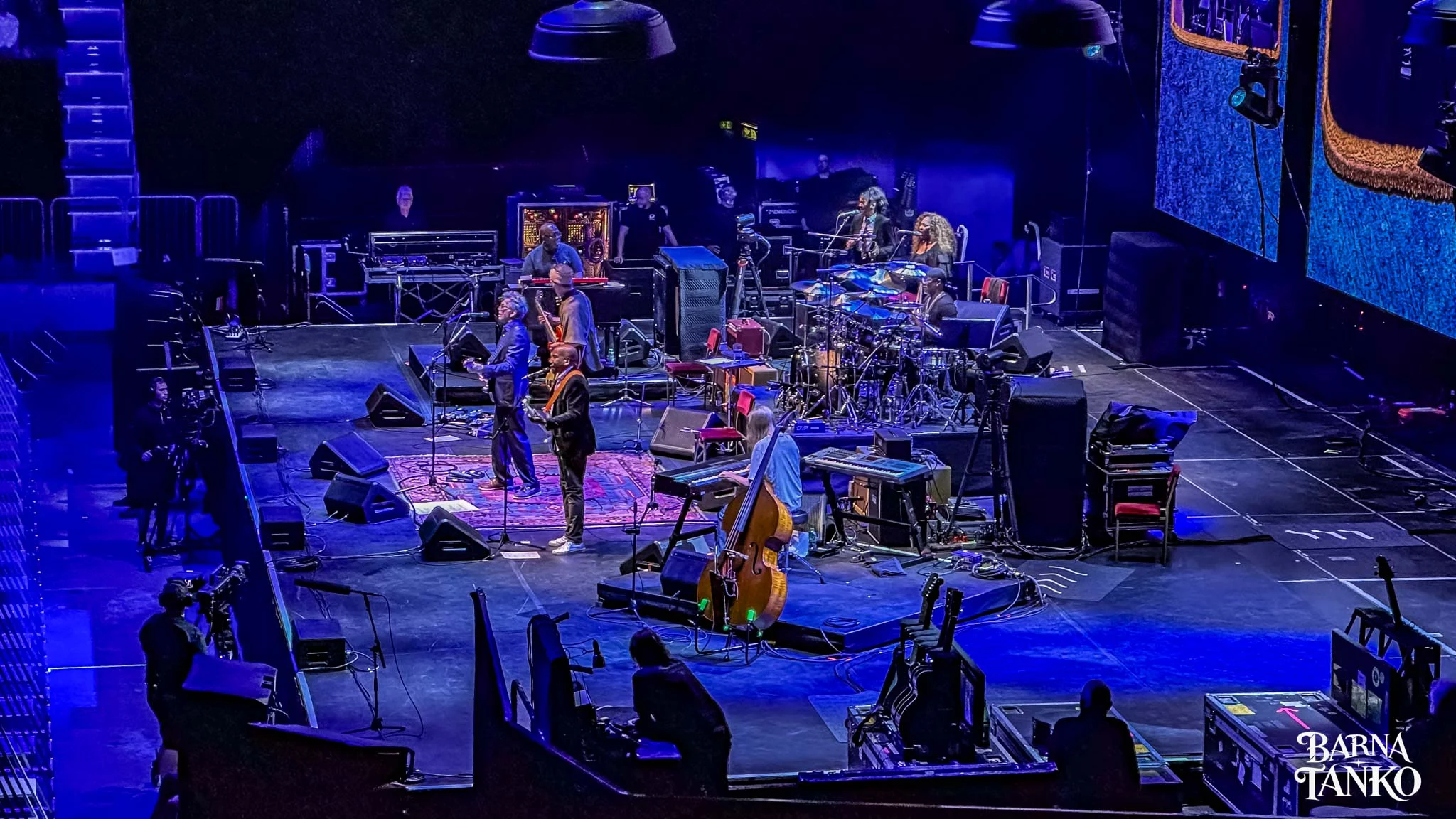
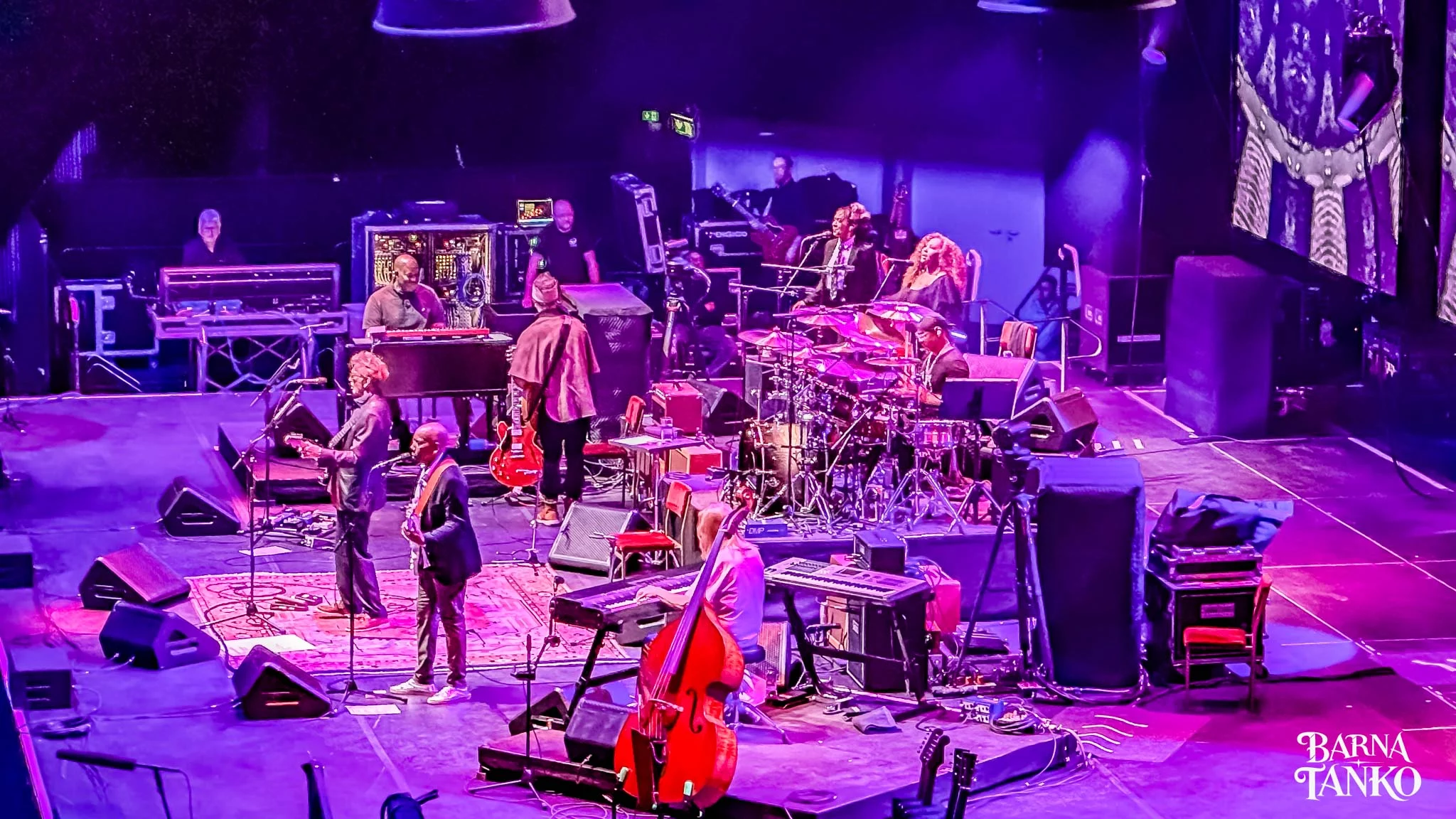
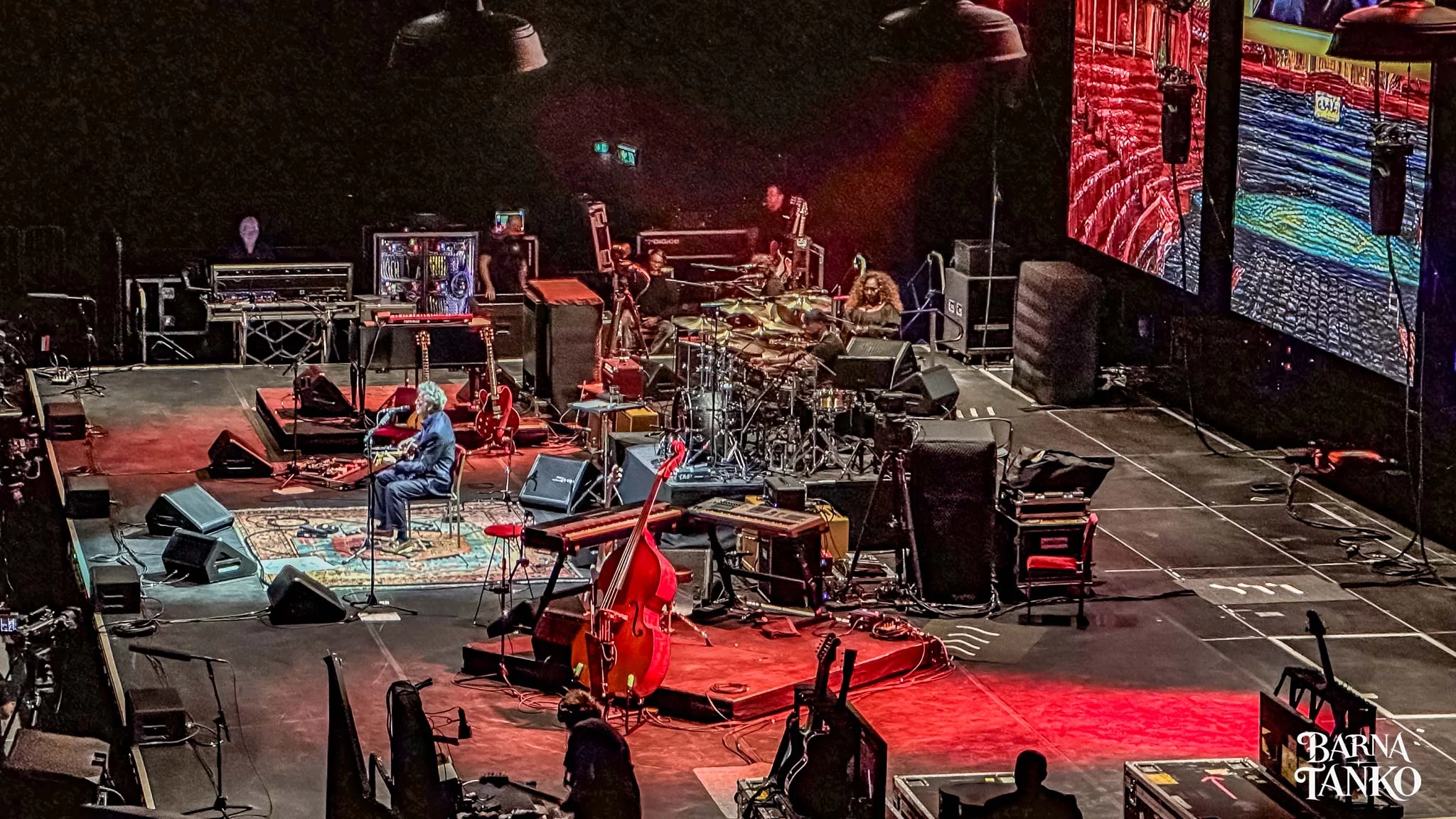
One interesting detail was how minimal the setup was. One main black Stratocaster and one backup on the rack. One main Martin acoustic on stage and another Martin waiting on the rack. No massive guitar collection in tow. Two pedals on the floor — no more. A switcher to engage the Leslie speaker and a Crybaby Wah. Eric is using a Fender Tweed Bandmaster amp. The same went for Doyle Bramhall II, who from a distance appeared to be playing Gibson ES-335 models, one red and one yellow, although his pedal setup seemed more extensive. As for Nathan East, one electric bass and one double bass covered the entire night. The drum kit appeared to be the most elaborate part of the stage setup. The whole arrangement was framed by two keyboard stations, left and right, but otherwise nothing felt excessive.
Nineteen years apart, there was not much difference between the two Eric Clapton concerts. Clapton came on stage with his band, played his songs, and left. He never stepped off his Persian rug during the performance and never addressed the audience besides a single “Thank you!”. Just like two decades ago. There was also no difference in the quality of the music and sound. The music was always the main focus and consistently had a spontaneous jam feel to it, especially during the solos. For that, he had the right lineup of sidemen: all road tested and seasoned musicians who had been involved in Clapton’s music and touring for years. The quality of sound first class for this venue size and musical style, now and back then as well. I must say the Calgary Saddledome has a touch better acoustics than Lanxess Arena. Maybe is given by the reverse curve of the ceiling of the Saddledome.
The 2026 Eric Clapton touring band: Doyle Bramhall II – Guitar, Sonny Emory – Drums, Chris Stainton – Keyboards, Nathan East – Bass, Tim Carmon – B3 Hammond Organ, Katie Kissoon – Backing Vocals, Sharon White – Backing Vocals
Setlist:
Electric: Badge – Cream (Claprton-Harrison), Key To The Highway (Charles Segar), I’m Your Hoochie Coochie Man (Willie Dixon),I Shot The Sheriff (Marley)
Acoustic: Kind Hearted Woman Blues (Robert Johnson), Nobody Knows You When You’re Down And Out (Jimmy Cox), Golden Ring (Clapton), Layla (Clapton), Tears In Heaven (Clapton)
Electric: Holy Mother (Clapton), Cross Road Blues (Robert Johnson), Little Queen Of Spades (Robert Johnson), Cocaine (JJ Cale)
Encore: Before You Accuse Me (Bo Diddley)
The setlist also draw similarity between the two shows, Clapton is not giving in to a ‘best of’ crowdpleaser set, rather selects the tunes to his own standards and principles.
The show totalled 90 minutes with 14 songs, without much time wasted in between songs, even the pause between main set and encore was quite short, therefore the average play time was over 6 minutes for each song. And no, not even in 2026 those 6 minutes felt too long. I guess the arena was filled with the right audience for that, mostly mid-aged people and for a change the floor level was seated, not standing. Most of the concert halls are only with standing room around here and while it creates a different energy at shows, sometimes can be tiring, especially at events with more than 2 bands.
Clapton entered calmly, stepped onto his signature Persian rug, strapped on his black Fender Stratocaster and without much introduction took us back right to 1969 opening his set with an over 6 minutes long rendering of Badge. The voice and guitar playing of Eric Clapton showed no real betrayal of age. While he definitely sounded somewhat older than he did 19 years ago, his voice held up excellently throughout the entire set, cutting through the instruments and hitting all the notes without relying on the faded, half-spoken style many aging rock stars fall into.
The same could be said about his solos — all of them were remarkable, never missing a note and remaining instantly recognizable from throughout his career. He never even took a break between songs, simply driving through the entire set continuously. The only pauses came when he handed the spotlight over to a bandmate for their moment to shine.
Tree more electric songs before Clapton took the audience through an emotional acoustic segment. It was a very well-crafted setlist, carried through with consistency, confidence, and professionalism.
The only negative moment of the concert came from the few audience members clapping off-rhythm during the first song during the acoustic set. Either they were drunk, either beat-deaf or both. It takes immense focus to stay locked into a groove when the room is clapping on the wrong beats. For a seasoned performer like Eric Clapton, his decades of internal timing—often referred to as a musician’s “inner clock”—allowed him to tune out the distraction and hold the song together.
Golden Ring and Leyla came through with an expressive interpretation, then Tears In Heaven closed the acoustic set with a hint of upbeat reggae rhythm dictated by the drum, yet still carrying an emotional context. When the final electric set kicked off the emotions still lingered through the crystal clear Holy Mother, with the audience keeping quiet during the song, then bursting into cheers and thunderous applause at the end of the tune.
As the energy slowly but surely built throughout the set, Crossroads arrived without much pause with a noticeably heavier guitar tone freeing up the emotions built up during the past few songs. The rhythm pulled back slightly for Little Queen of Spades featuring extensive piano, organ and guitar solos. That restraint only made the eventual climax of the night even more explosive when Cocaine finally kicked in. Within seconds of the opening riff, the floor-seat audience leapt to their feet and surged toward the pit barrier. It was time to rock, time to celebrate—to surrender to the sound and release every pent-up emotion. The song ended in thunderous cheers that rolled on through the brief pause before the encore.
The night finally closed with Before You Accuse Me, played with just a little more energy than the original version — enough to leave the audience with a lasting earworm and cap off a concert that will be remembered and talked about for quite some time.
Throughout it all, Eric Clapton and the band controlled the pacing masterfully, building the atmosphere step by step until the entire venue felt completely locked into the performance then bursting out at the end.
Was this a farewell tour? Was this goodbye? Nobody really knows. Eric Clapton never addressed the question directly — no hints, no emotional speeches, no extended waving to the crowd. He simply came on stage and let the music speak for itself. The majority of songs in the concert were remakes/covers and not a ‘best of Clapton’ setlist. It was Clapton remembering the masters who made him who he is and linking this heritage with his own songs. The stage was simple with no extensive light show, no extramusical elements, with the exception of the large screens. The night felt intimate, despite the size of the arena. The contribution of a band of seven musicians, including two backing singers, took on a significant role throughout the concert and Clapton let all of them shine through the concert, from one end to another.
B.B. King toured well into his late 80s, and Clapton could very well follow the same path, who knows how will fold out.
Whatever the future holds, I am grateful to have witnessed such a remarkable night — proof that E.C. Was Here… again.
Footnote: While Clapton’s music is deeply rooted in blues and rock, he has occasionally drawn inspiration from country music and incorporated it into his work — especially on the Slowhand and Money and Cigarettes albums, the latter being one of my personal favourites. He would revisit that influence several times throughout his career.