The surge in popularity of tribute bands.
As most of us know, there has been a huge trend towards tribute bands lately. I’d describe most as your average local bar band that decided to play only the songs of one artist and now gets bigger audiences and charges more money. Pretty much all it takes is a singer with voice characteristics similar to the one they are emulating and a band that can play the songs competently. On the other hand some upper tier bands (Badfish, Get the Led out, Brit Floyd, Dark Star Orchestra) are doing gigs (almost) as big as the bands that they are tributing! Badfish for example is pretty much agreed to be as good or better than Sublime with Rome.
For decades (roughly 1950-2010), major artists had mass cultural dominance. Terrestrial radio, MTV, and physical album sales meant that everyone knew the same five rock bands, pop stars, and R&B groups. If you turned on the radio in 1995, you were hearing the same hits as millions of other people. That created a shared musical language. Now, that’s gone. Streaming shattered the monoculture, fragmenting audiences across millions of niche genres and playlists. New artists today rarely reach mass cultural penetration because no one is discovering music the same way anymore.
If you love live music, and you love music from a particular band, and especially if that band is dead/not touring/too expensive/so old they can’t sing anymore, then it just makes sense.
We also have to consider that fewer and fewer people actually go out to see original music of bands they don’t know. Some musicians recognize this and are able to get some extra income by doing tribute shows, which allows them to not only draw a crowd but charge more for it without splitting the bill.
Venues love tribute bands because they know they’ll reliably sell tickets without much marketing effort and therefore they’ll sell more beer. This isn’t the case for original music for reasons above.
You wanna get paid? Play songs that everybody already knows. It was true fifty years ago, and it’s true now.
With very few exceptions (like Taylor Swift tributes), the majority of tribute bands cater to Gen X and Boomers. These are fans who still love live music, but their preferences have shifted dramatically.
They are not the same people who are excited to stand in a stadium with 100,000 fans, dealing with parking nightmares, $15 beers, hour-long bathroom lines, and overpriced tickets. That was fun in their 20s and 30s, but now, comfort matters.
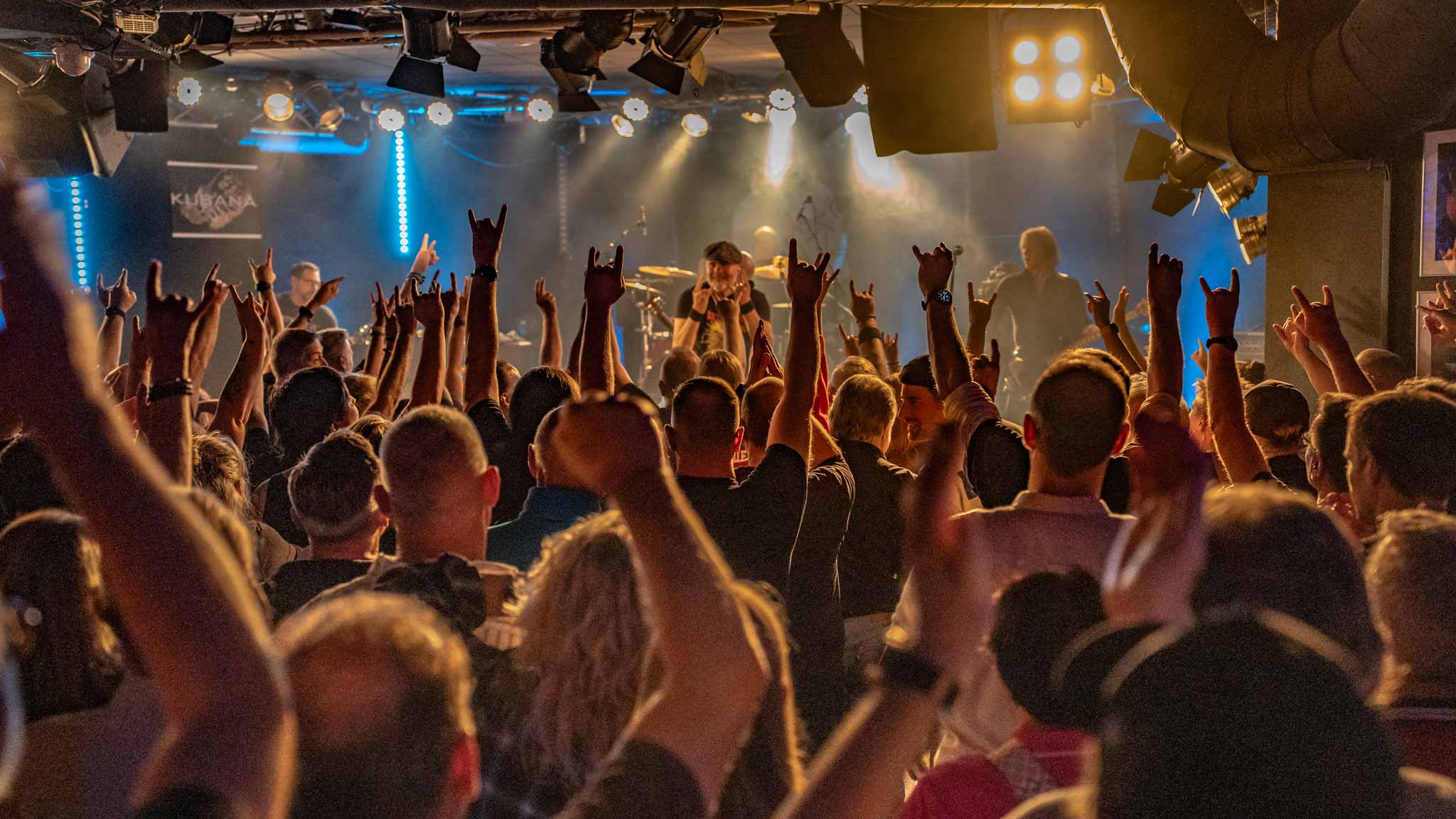
Tribute bands thrive in boutique venues, typically 500 to 2,000 seats, where audiences can: • Get a table, enjoy dinner, and have space to breathe • Skip the insane parking and logistics of major arenas • Experience the music they love without overwhelming crowds
Beyond just comfort, there’s a business reality here. Tribute bands have become an extremely reliable draw for venues and promoters because they provide a known product with built-in demand.
A well-branded, high-caliber tribute act gives audiences the songs they already love, performed live, at a professional level. Unlike original acts, there’s no risk of: • An unpredictable setlist • New songs that fans aren’t invested in • An aging artist who can no longer hit the high notes.
Tribute bands bridge the gap between nostalgia and live entertainment. Fans get the thrill of seeing their favourite songs performed live by talented musicians who replicate the original act’s energy, visuals, and sound.
Creative & Career Limitations
Pigeonholing: You risk being known only as a “cover artist,” making it hard to transition to original music.
Distraction from Originals: Time spent learning covers can prevent writing and promoting your own material, slowing down original career growth.
Creative Stagnation: Constantly reproducing others’ work can stifle your unique voice and original songwriting development, although some argue it builds skills
Audience Misattribution: People might forever associate your band with the original artist, not your own work.
Vocal/Style Imitation: The pressure to sound exactly like the original can be difficult and creatively limiting.
Frustration: While covers often pay, it can feel disheartening that it’s sometimes easier to make money playing others’ songs than your own
Audience indifference: In many venues like bars and restaurants, the band is background entertainment (“expensive wallpaper”), and patrons may talk loudly over the music or simply be there to socialize, not to engage with the performance. Even if the bar is packed, often times the patrons are there to drink and party.